

Opening: why a framework steadies the sourcing process
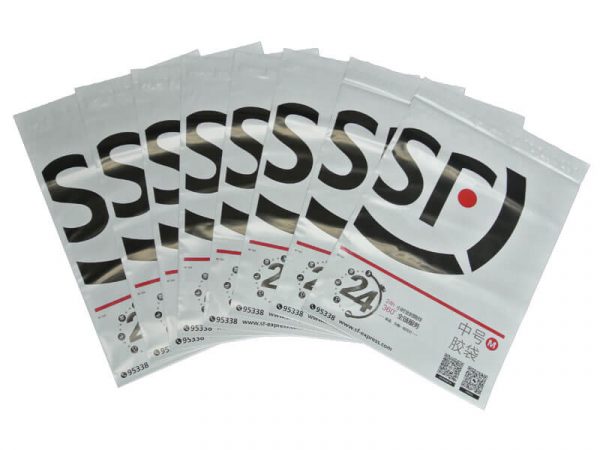
When you set out to buy bulk sustainable packaging, a calm framework keeps decisions clear and defensible. This piece lays out a step-by-step checklist you can use to evaluate suppliers, materials, and compliance — the practical map every brand needs. If you already know you want branded packaging, start by comparing samples of custom poly mailers with logo alongside plain alternatives so you can see how printing, film gauge, and closures interact with your fulfillment flow.
The five pillars of a sourcing framework
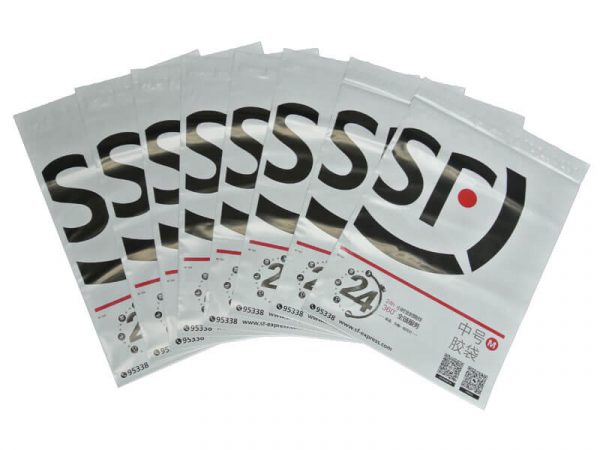
Think of the framework as five pillars that together reduce regulatory risk and quality surprises: 1) Regulatory alignment, 2) Material and certification clarity, 3) Supplier capability and contracts, 4) Testing and first-article validation, and 5) Logistics resilience. Each pillar translates to concrete questions you can ask suppliers and clauses to include in purchase orders. Follow them in sequence and you’ll avoid the common traps that turn launches into late-night firefights.
1) Regulatory alignment — know the rules that matter
Begin with the obvious: check which laws or standards apply to your markets. ASTM standards such as ASTM D6400 (compostability for plastics) and regional rules like the EU Packaging Waste Directive and the U.S. FTC Green Guides affect labeling and claims. If you plan to market compostable or recyclable poly mailers with logo, require suppliers to show third-party certificates and precise scope of testing. Keep records of certificates in your compliance folder — audits favor clear evidence over vague assurances.
2) Material choices and certifications
Match performance needs to verified credentials. Do you need LDPE for tear strength? Or a bio-attributed film for lower fossil-carbon content? Ask for test reports on tensile strength, slip, and thickness (film gauge). Confirm end-of-life claims with certificates from accredited labs rather than supplier self-declarations. Small brands sometimes assume “biodegradable” equals compostable — that’s risky. Request lab names, testing dates, and exact standards referenced so claims like compostability are defensible for packaging labels and marketing.
3) Supplier capability, MOQ, and contractual clarity
Evaluate suppliers on three fronts: production capability, quality systems, and contractual transparency. Verify minimum order quantities (MOQ) and tooling cadence; some factories reduce unit price but require long lead times or large MOQs. Ask for documented quality control processes and acceptance criteria, including allowable tolerances for print registration when applying logos. If you’re ordering branded runs, request a clear warranty clause for misprints or delamination — it saves negotiations later. Consider suppliers who can provide sample runs that match your final artwork and sealing specs.
4) Testing, first-article inspection, and lifecycle checks
Never skip a filmed, real-world test run. Use your actual filling and sealing equipment and simulate returns or transit roughness. Request first-article inspection (FAI) reports that include measurements for seal strength, print adhesion, and puncture resistance. Test packaging under likely conditions: humidity swings in a West Coast fulfillment center, rough handling through a national carrier, or stacking loads in a distribution center. These tests catch issues early so you can adjust film gauge or adhesive formulations before full production.
5) Supply chain resilience and logistics
Plan for delays and variability. Confirm lead times for raw resin and inks, and check whether the supplier holds contingency stock. Ask about typical transit times from factory to your fulfillment center and the freight profile (FCL vs LCL). If your launch depends on seasonal promotions, build a buffer into inventory planning. For branded poly mailers with logo, color consistency across runs matters — secure a color-match protocol and specify acceptable Delta E ranges in the contract.
Common mistakes brands make — and simple fixes
Brands often assume a low unit price equals a low total cost. Hidden costs show up as rework, returns, or rushed air freight when a batch fails inspection. Another frequent error: vague environmental claims. Avoid that by demanding laboratory-backed evidence and by recording exactly what the claim covers — compostability at industrial scale, recyclability in certain streams, or reduced virgin resin content. Also — don’t forget printing tolerance checks. A perfectly printed logo on sample can shift in production if film pre-stretch isn’t accounted for.
Alternatives and trade-offs you’ll weigh
You’ll choose between cost, performance, and sustainability. Recycled-content films reduce environmental footprint but can vary in clarity or tensile strength. Compostable films ease certain disposal concerns but may not be accepted by all municipal systems. Virgin LDPE offers predictable machinability but scores lower on carbon intensity. Each trade-off should be explicit in the sourcing decision so product positioning remains honest and operationally viable.
Real-world anchor
Many direct-to-consumer brands in Los Angeles and other major hubs shifted to certified materials after 2019 when carrier volumes and landfill scrutiny rose. Those who prioritized ASTM-aligned testing and robust FAI routines experienced fewer returns and steadier launch timelines — a small but tangible reward for disciplined sourcing.
Closing — three golden rules for choosing the right approach
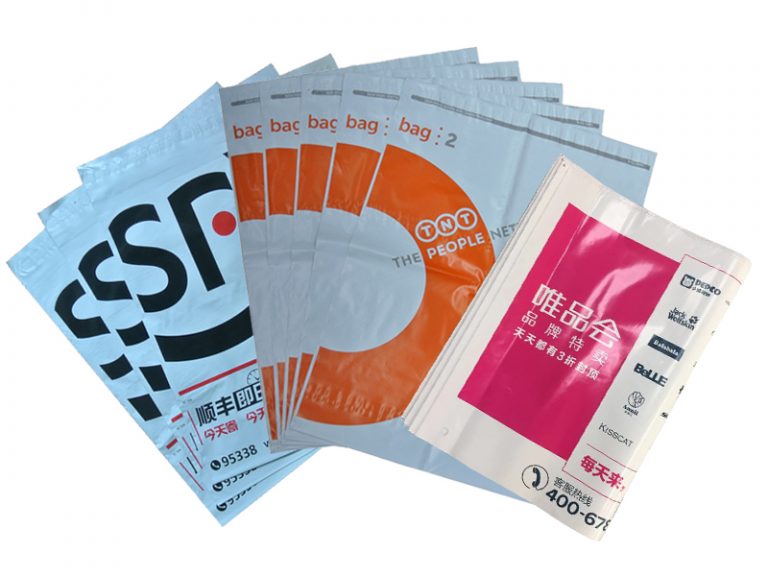
1) Demand verifiable evidence: require third-party test reports and clearly scoped certificates before production. 2) Validate in context: always run first-article tests on your actual equipment and in expected transit conditions. 3) Contract for clarity: include MOQs, color and print tolerances, inspection criteria, and contingency lead times in writing.
Follow these metrics and you’ll balance regulatory confidence with operational reality — which is where sustainable packaging becomes a business asset rather than an afterthought. For many brands, that balance is precisely what suppliers like poly mailers with logo aim to deliver; they make compliance and brand expression practical, side by side. WH Packing. —
