

Designing with the User in Mind
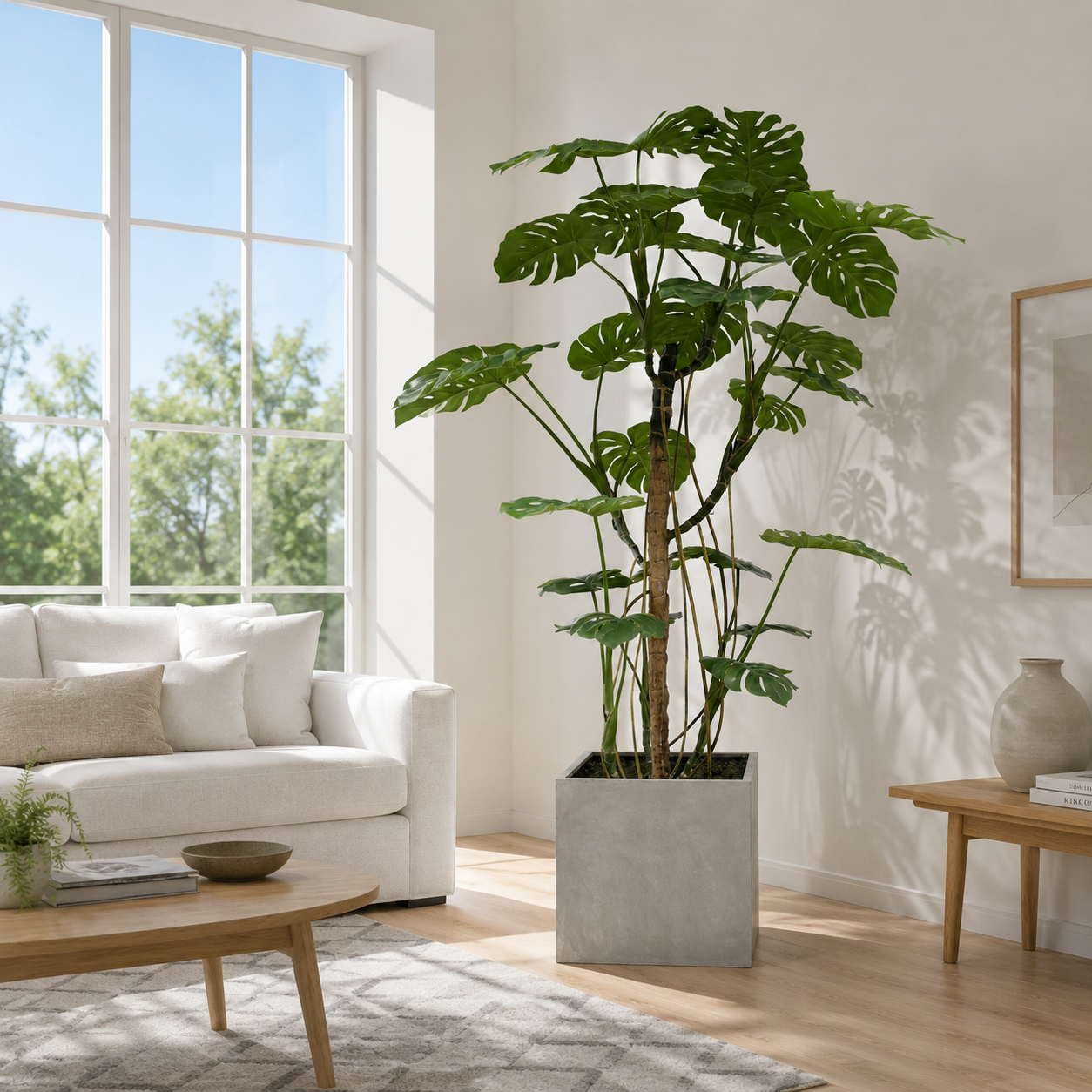
Clients want plants that look right from the first step onto a terrace and keep looking right three seasons later. For landscape architects and property managers that means specifying not just species and color but exact plant heights and foliage density, along with UV protection and fade resistance. Early in a project brief many teams turn to an artificial tree manufacturer to translate aesthetic goals into technical specs — the conversation usually starts with sightlines, maintenance windows, and wind exposure.
Why Custom Heights and Density Matter
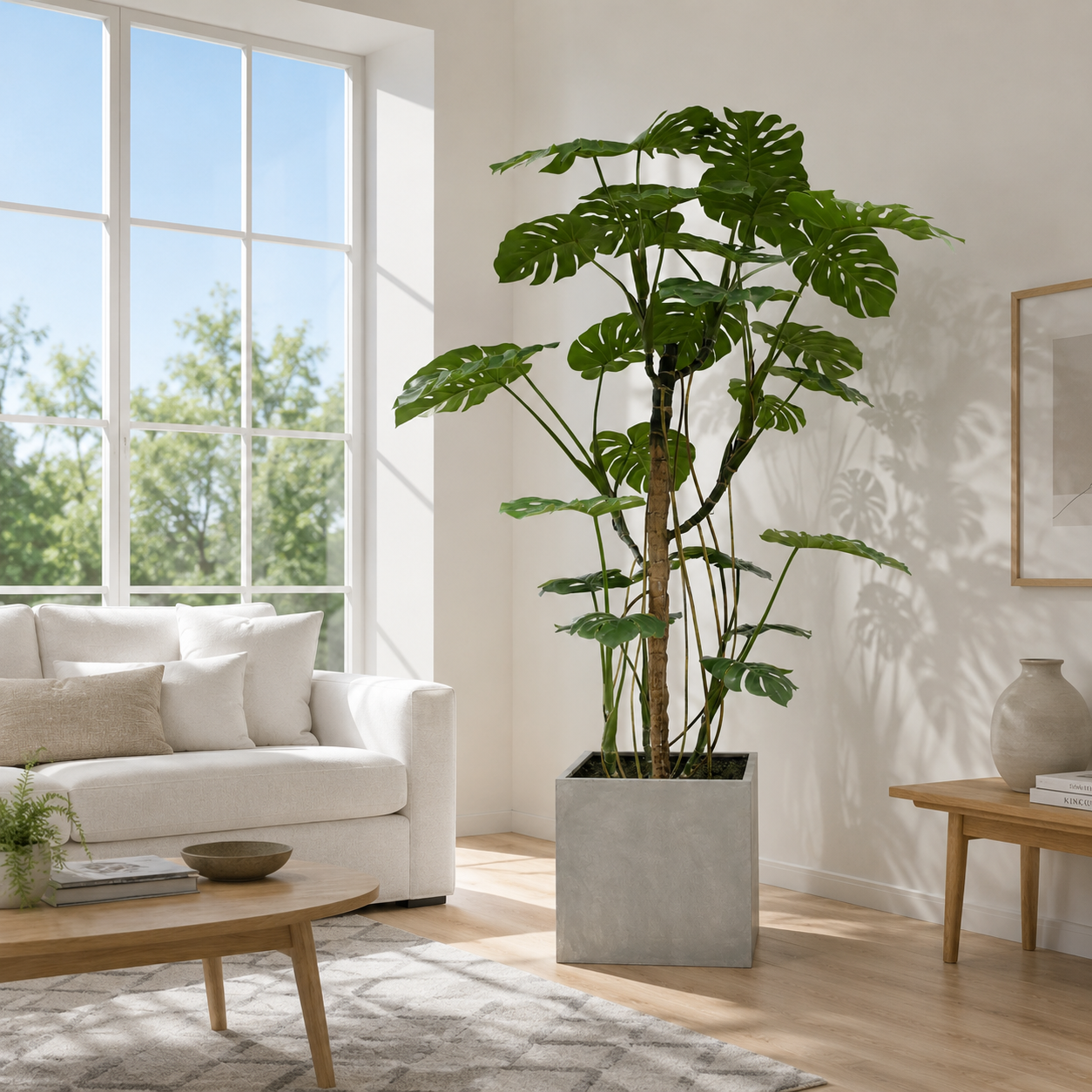
Standard-size trees rarely solve real-site constraints. Rooflines, planter depths, and pedestrian sightlines demand tailored heights. Foliage density changes light, wind buffering and perceived scale. When a cafe seating area needs a low canopy for social comfort, a dense crown is welcome; on a boulevard, sparser foliage keeps sightlines open while still softening hard edges. The specification choices also influence lifecycle metrics like UV degradation and the need for replacement — matters that affect total cost of ownership.
Materials, Manufacture and Performance Basics
Manufacturers convert design intent into components: polyethylene (PE) leaves for colorfastness, UV stabilizers woven into leaves for prolonged UV protection, and a corrosion-resistant wire core to hold form. You’ll also encounter silk foliage variants and PVC trunks — each has trade-offs in realism, weight, and fire-retardant ratings required by local codes. A responsible supplier will share fade-resistance data and perform accelerated weathering tests; look for that evidence in specs before signing off.
Field-Proven Choices — a Short Case
Major hospitality projects in tropical climates — think Marina Bay Sands in Singapore — shifted toward engineered synthetic planting in high-traffic outdoor terraces because natural specimens needed constant replacement and irrigation. That real-world choice drove specifications toward UV-stabilized, custom-height trees that matched strict setback rules and reduced maintenance rounds. Local installers reported fewer replacements over two seasons when manufacturers specified PE leaves and reinforced anchoring — lessons that inform today’s best practices.
Common Mistakes and Practical Fixes
Teams often underestimate wind loading and over-spec density, which leads to premature tearing or unnatural sway. They also accept stock heights without aligning with planter depth or canopy clearances. Fixes are straightforward:
– Confirm planter depth and anchoring details with structural engineers; specify a wire core and base plate if wind is a concern.
– Match foliage density to the purpose: denser crowns for screening, lighter canopies where airflow matters.
– Request UV-aged samples and inquire about accelerated weathering results; raw color samples alone aren’t enough — performance data matters.
These steps prevent common rework — and they save on maintenance budgets down the line. — It’s a small extra effort up front that spares repeated site visits.
Choosing Vendors and Comparing Proposals
Evaluate proposals against three objective points: materials and test results, customization capability (can they tailor heights to ±5 cm?), and delivery logistics. Compare lead times and whether the supplier offers mock-ups or photo-realistic renders. For projects sourcing from overseas, confirm manufacturing origin and post-delivery support; many design teams source from a china faux tree manufacturer that provides both scale production and custom tooling, but logistics and warranty terms must be explicit.
Advisory: Three Golden Rules for Specification
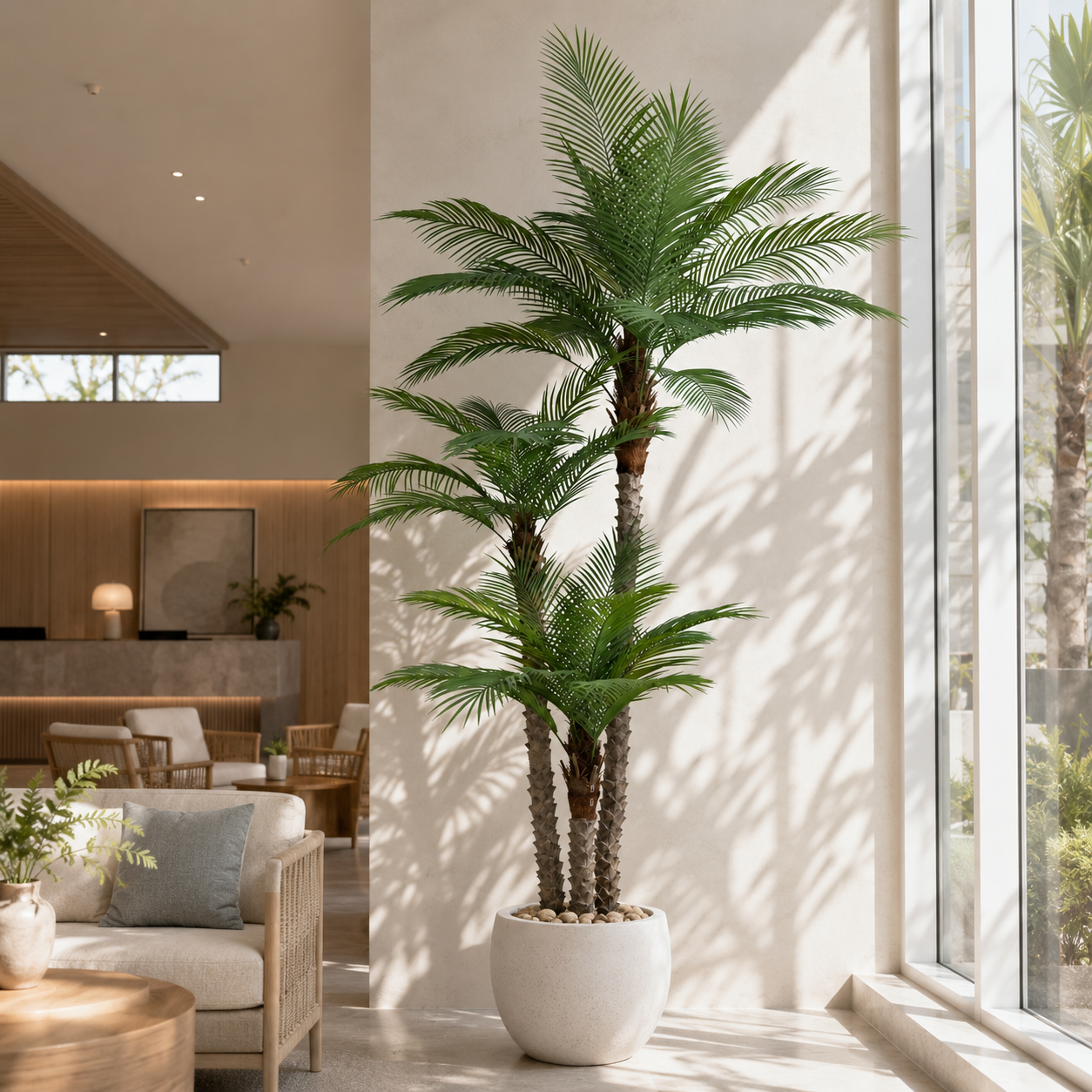
1) Demand UV performance data and a stated fade-resistance lifespan rather than relying on sample appearance alone. 2) Require a detailed anchoring and wind-load plan tied to the specified wire core and base plate dimensions. 3) Insist on a mock-up at scale — seeing the exact height and foliage density in situ avoids subjective approvals and costly revisions.
The measurable result: fewer on-site changes, predictable maintenance costs, and plantings that meet both aesthetic and safety standards. Sharetrade brings these priorities together by pairing product transparency with installation know-how — a practical edge for teams aiming to get it right the first time. –
