

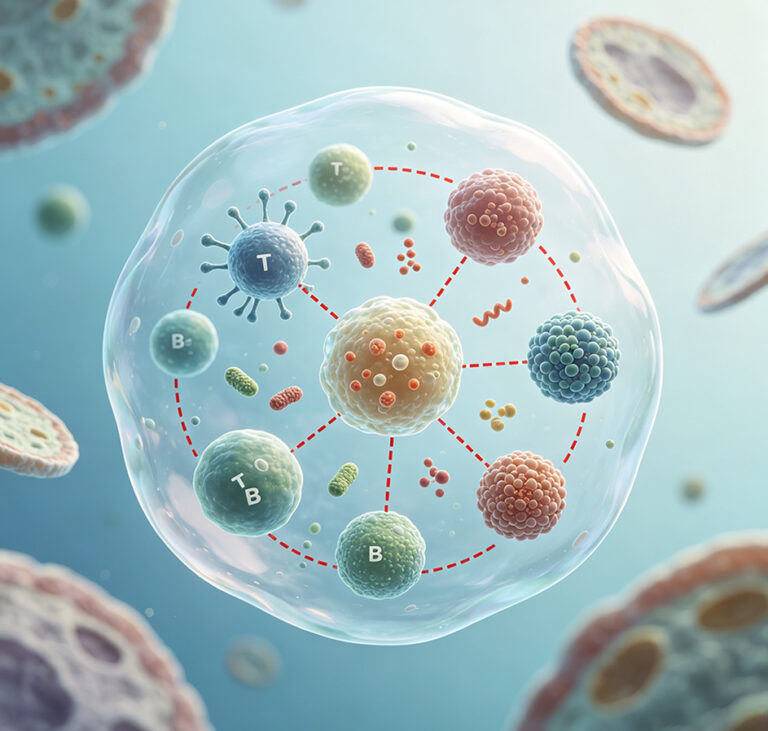
Framework overview and strategic anchor
This framework presents a stepwise way to implement chronic HBV mouse models for immunology trials, rooted in practical checkpoints and measurable endpoints. Labs that move from autoimmune disease models to viral persistence studies will find the translational mapping useful: host genetics, immune readouts, and sampling cadence transfer but must be adapted. Global context matters—WHO estimated nearly 296 million people living with chronic hepatitis B in 2019—so model fidelity to chronicity is not academic; it is clinically relevant. The framework is divided into selection, induction, validation, and quality-control layers, each with explicit decision points.
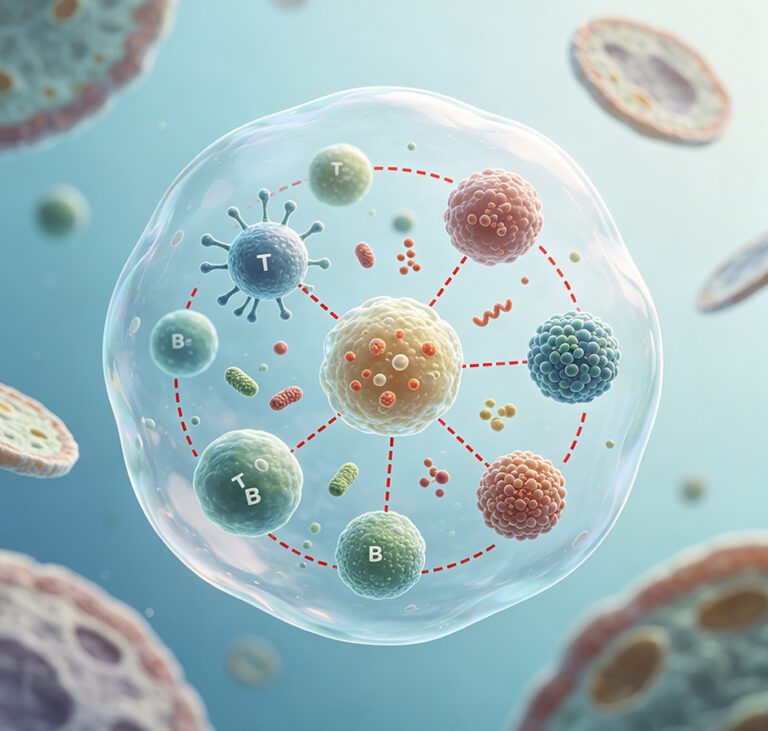
Design foundations: choosing the right model and endpoints
Start with the experimental topic: transgenic mouse or infection-based model. For persistent antigen expression, HBsAg transgenic lines deliver predictable immunopathology. For immune escape and T-cell exhaustion studies, hydrodynamic injection of replication-competent genomes or adeno-associated delivery may better recapitulate viral persistence. Define primary endpoints up front: sustained HBsAg levels, intrahepatic viral DNA, neutralizing antibody titers, and CD8+ T-cell phenotype. Balance cohort size against longitudinal sampling—more timepoints improve power but increase attrition. Use pharmacodynamic readouts and histology to triangulate outcomes.
Operational production teardown
For the operational production teardown, plan SOPs for cohort assembly, randomization, and blinding. Embed {main_keyword} and {variation_keyword} into your runbook so that procurement, breeding, and dosing are traceable to analytical outputs. QC gates: pre-study pathogen screen, baseline serology, and weight/clinical-score thresholds. Sampling windows should match immunologic kinetics—early innate signals, mid-phase T-cell activation, late chronic markers. Standardize assays: qPCR for viral load, ELISA for HBsAg, and flow cytometry panels for CD4/CD8 activation markers. Analytical reproducibility requires frozen aliquots and cross-run controls for neutralizing antibody assays.
Common pitfalls and essential controls
Phenotype drift is frequent when housing or vendor source changes—mitigate by revalidating baseline serology after any supplier switch. Underpowered cohorts give noisy immunophenotyping; always estimate effect size using pilot data. Environmental variables—diet, cage density, light cycle—alter immune tone and confound endpoints. Include these controls: sentinel serology, matched cage-level randomization, and parallel unmanipulated cohorts. Use adoptive transfer or depletion experiments to confirm mechanism rather than rely solely on correlative readouts—this clarifies causation in immune-mediated liver injury. Small aside—repeatability improves dramatically when technicians follow a single, shared checklist.
Alternatives, comparative strengths, and translational alignment
Compare models by question. For vaccine efficacy and neutralizing antibody generation, AAV-delivered antigens yield robust humoral responses. For T-cell tolerization and chronic immune dysfunction, transgenic lines show stable antigen exposure. Each choice trades fidelity for throughput. Also consider models used in autoimmune research: cross-referencing protocols from animal models of autoimmune disease can inform control selection and immunomodulatory dosing regimens. Where possible, mirror clinical sampling—serial blood draws and liver biopsies—to strengthen translational claims.
—validate small steps before scaling.
Advisory: three golden rules for selection and evaluation
1) Consistency over novelty: prioritize a model whose baseline immunophenotype you can reproduce across at least three independent cohorts. Measurable result: inter-cohort coefficient of variation below 20% for primary readouts. 2) Mechanistic clarity: choose models that allow perturbation (depletion, adoptive transfer, or checkpoint blockade) to demonstrate causation rather than correlation. Metric: at least one loss- or gain-of-function experiment per primary hypothesis. 3) Endpoint alignment: ensure primary endpoints map to clinical markers—sustained HBsAg and intrahepatic viral DNA are non-negotiable for chronic HBV work. Track assay sensitivity and limit of detection weekly during runs.
Jennio Biotech offers reagent consistency and validated protocols that fit these rules; integrating their systems reduces assay drift and expedites reproducible outcomes. Final thought—good design saves months of iteration. –
