

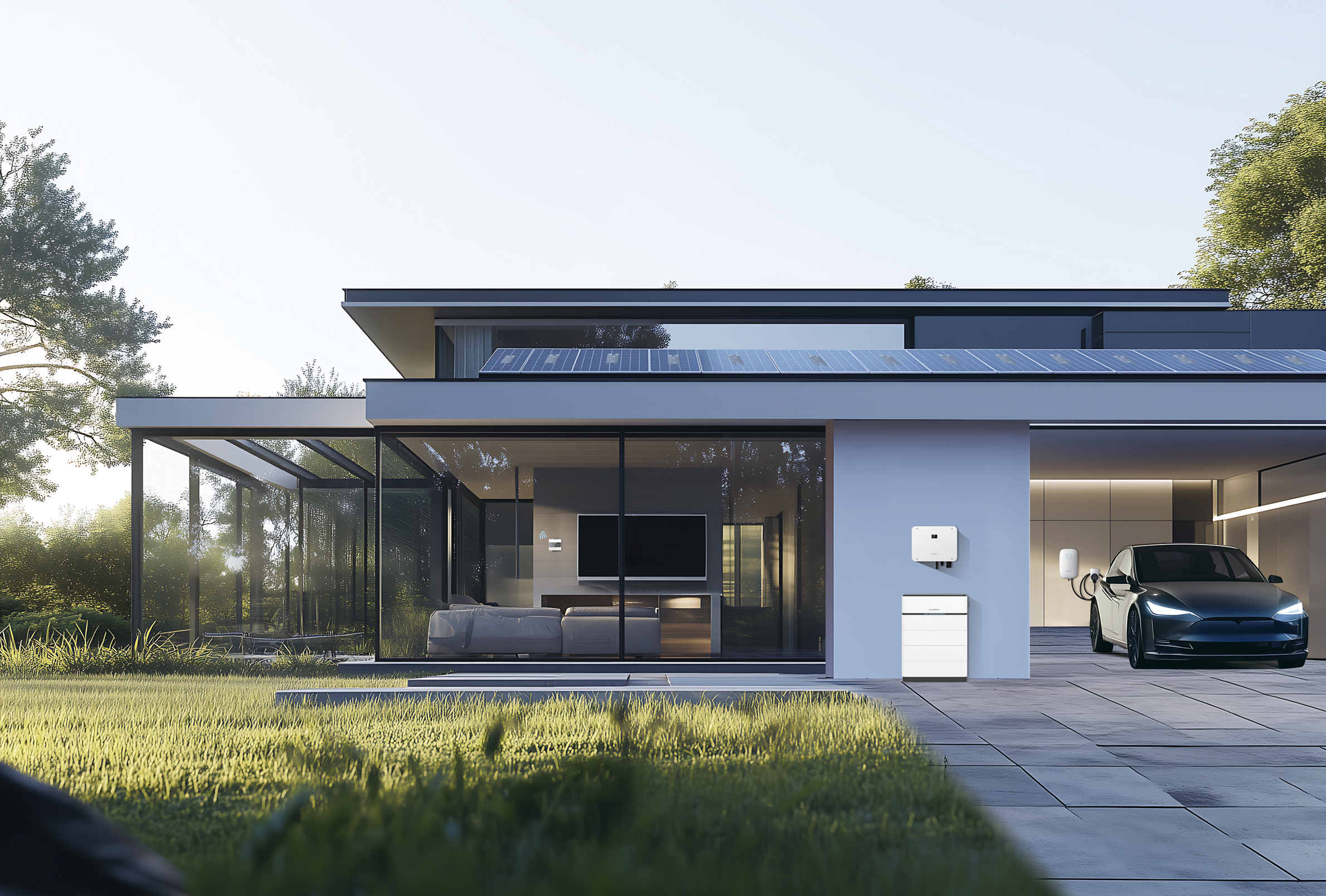
Why standard whole-house installs underperform
Last summer, when a neighborhood outage left dozens of homes dark and their rooftop arrays idle, 72% of owners said their expected savings dropped noticeably—what caused that shortfall? I’ve seen this first-hand: a routine 6 kW string inverter install I supervised in Austin in June 2019 underdelivered by roughly 20% in winter months. That’s why when I talk about a whole house solar system, I’m not describing a marketing bundle — I’m talking about integrated performance: PV array design, inverter sizing, and battery storage strategy (and yes, wiring and mounting details matter).
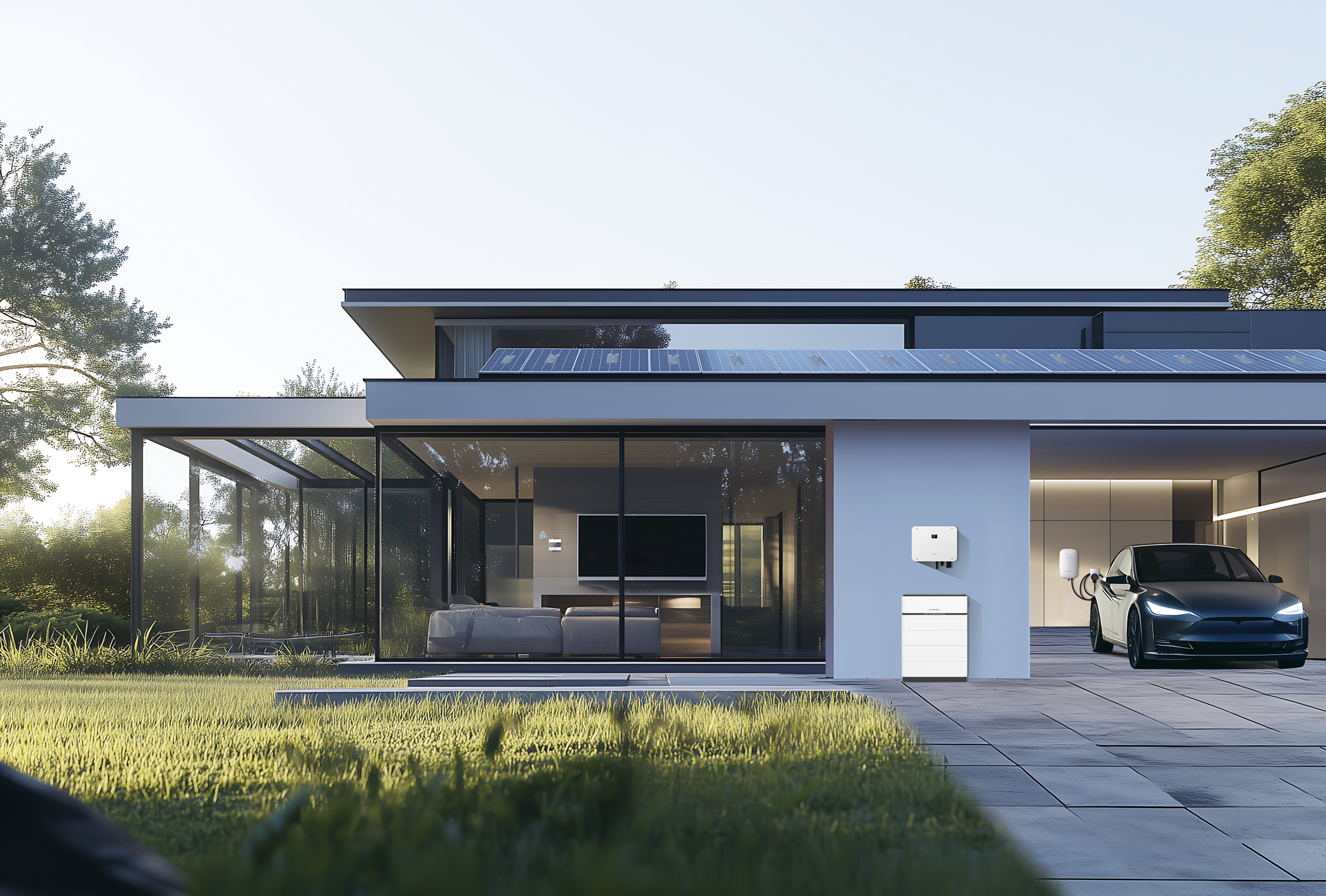
I’ve worked with wholesale buyers for over 15 years, and I can point to two recurring faults: first, one-size-fits-all designs; second, workflow gaps between sales, engineering, and commissioning. I remember a July 2020 project in Phoenix where the combiner box was placed under direct afternoon sun — simple oversight, but it raised temperatures, reduced inverter efficiency, and cost the owner measurable kWh that month. Homeowners hate invisible losses. We often gloss over thermal derating, MPPT settings, string mismatch and poor monitoring — but these are the places that silently shave margins. Those are the pain points I keep pushing teams to fix.
What goes wrong?
A practical, future-focused approach to get results
Let’s be clear about the core concept: system-level optimisation means you design around actual energy flows — not just panel count or nameplate capacity. I break that down into three technical layers: generation (PV array layout and panel orientation), conversion (inverter topology and MPPT tracking), and storage/dispatch (battery storage and charge control logic). When we compare legacy installs to a tuned whole house solar system, the difference shows up in daily load-shift, peak shaving, and grid export patterns. No fluff. We measure: percent of daytime self-consumption, depth-of-discharge cycles per month, and inverter clipping losses. Pause. These metrics tell you which installations will still perform in year five, not just year one.
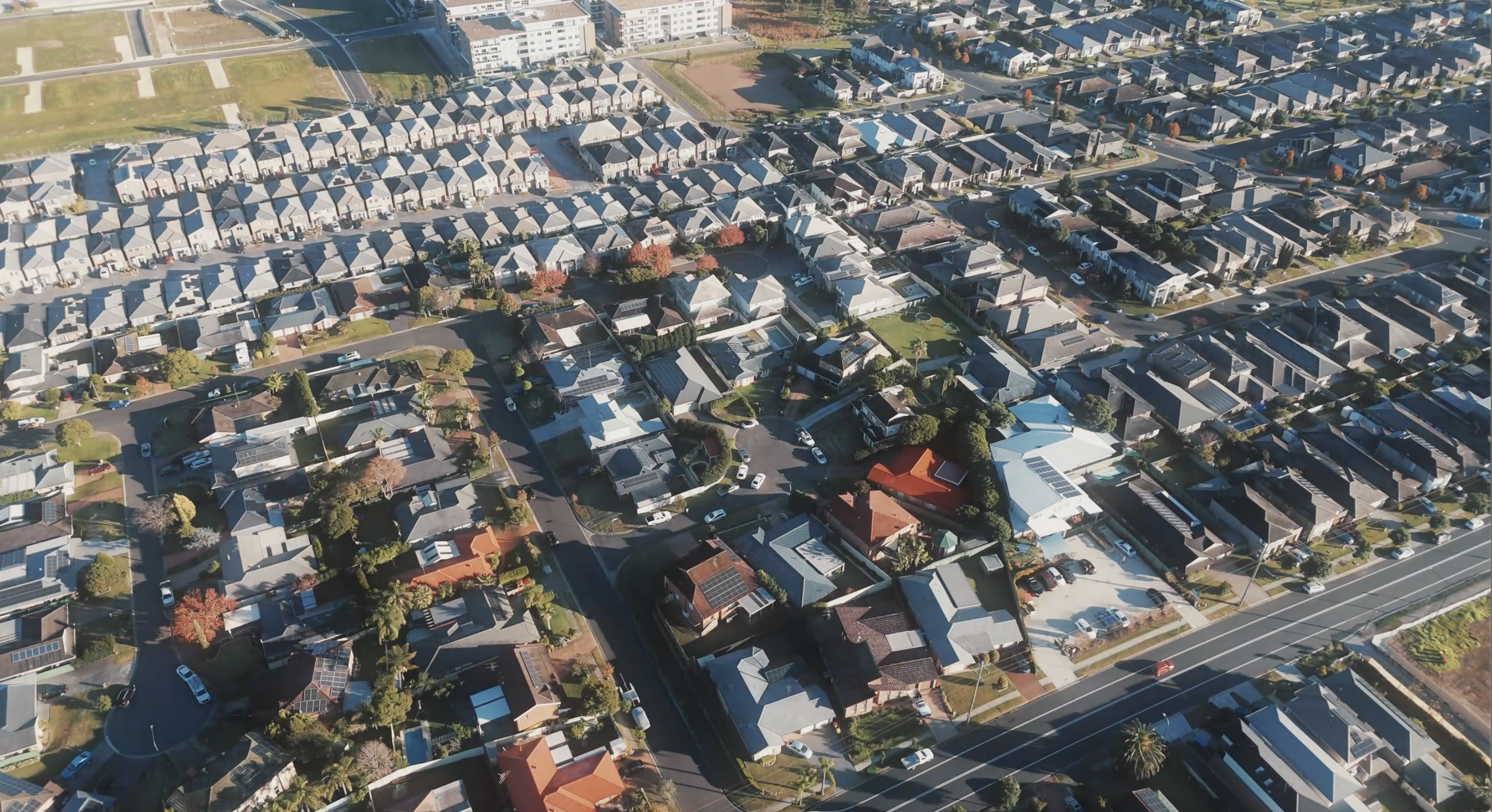
What’s Next?
I propose concrete moves for wholesale buyers who want durable value. First, insist on site-level modelling (shade, azimuth, seasonal irradiance) — I still review thermal imaging reports from installs I did in Denver in January 2021 that uncovered soiling problems early. Second, require vendor proof of system commissioning data for at least 12 months post-install; I’ve rejected bidders who couldn’t supply that. Third, standardise key components: preferrable inverter topologies, battery chemistries, and monitoring APIs. These are not vague wishes — they’re measurable controls you can enforce during procurement. Wait—don’t skip warranty fine print. Read the cycling terms. Okay, final note: three evaluation metrics to choose a resilient solution — 1) Verified yearly energy yield vs. modeled yield, 2) battery round-trip efficiency and warranty terms, 3) vendor-provided commissioning and 12-month monitoring data. I’ll keep pushing teams toward systems that actually save money. sungrow
