

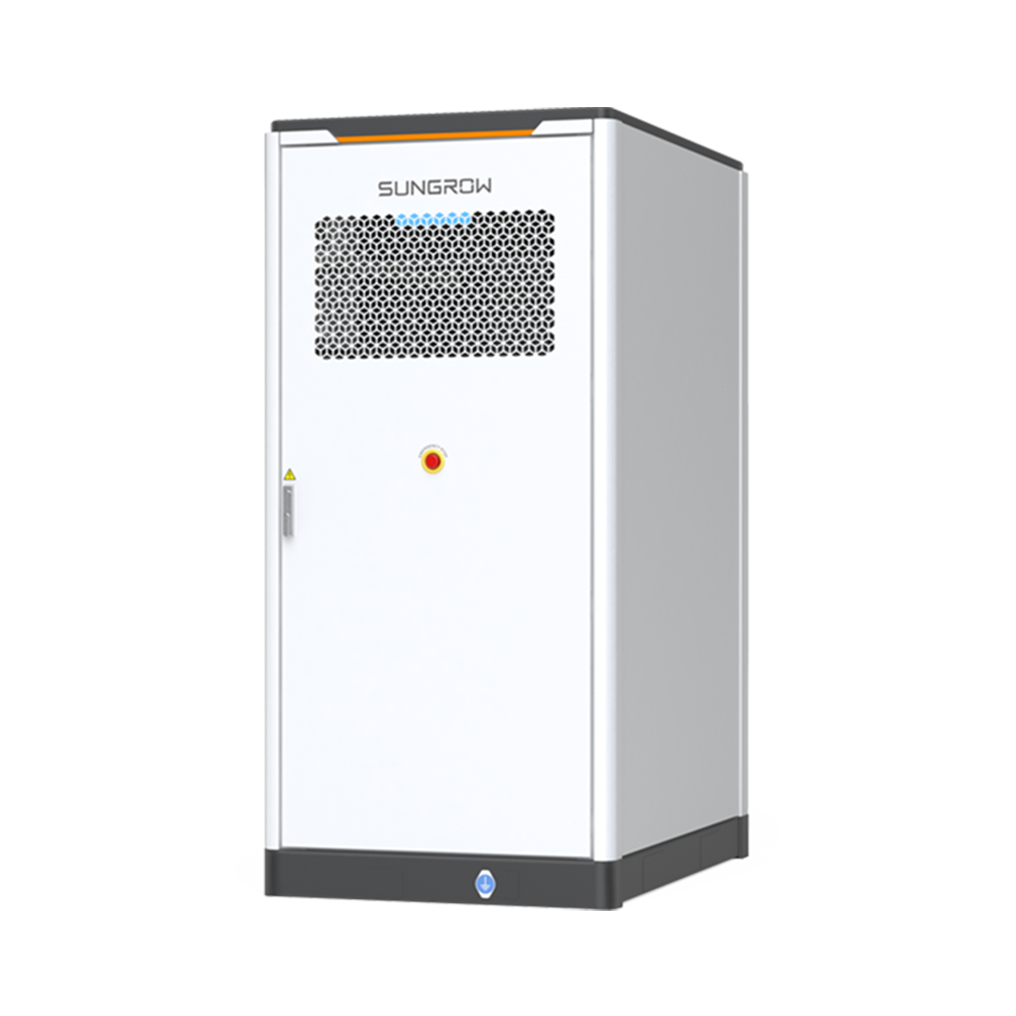
When routine outages meet billing spikes: a grounded view
I still remember walking a cold warehouse floor in Rotterdam in June 2021, watching the crew commission a 500 kW / 1 MWh lithium-ion battery and noting that the meter spikes every weekday at 09:00 — a small, repeatable pain. A factory with 2.5 MW peak load, billing data showing a 30% jump in demand charges during winter months, and the question on everyone’s lips: can a commercial energy storage system actually cut those bills enough to matter? That scenario + data + question frames nearly every client conversation I have now. I’ve spent over 15 years in B2B supply chain and energy projects; I’ve seen the design choices that feel clever on paper but fail in the yard. (Yes — that BMS you picked because it was “feature rich” sometimes adds weeks to commissioning.)
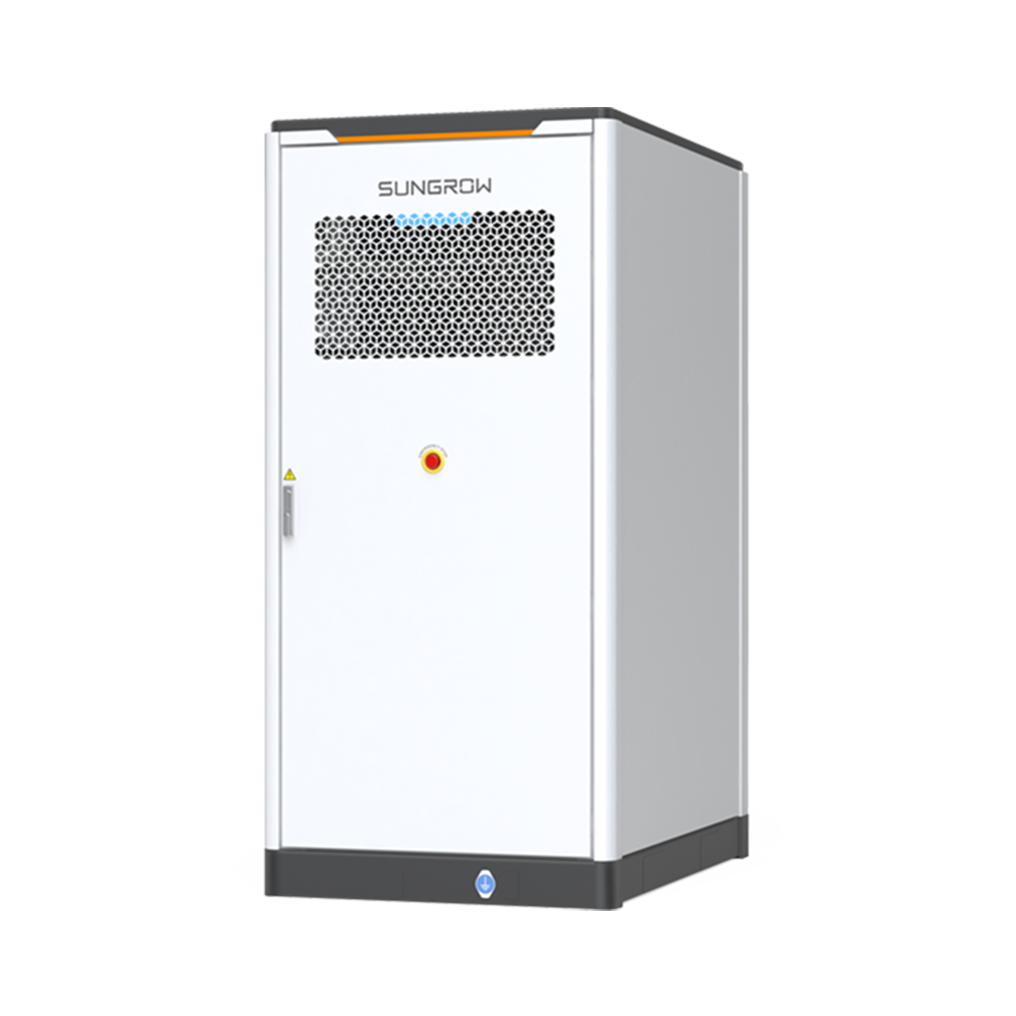
What frustrates me most is how traditional solutions ignore operational friction. Sales decks push round-trip efficiency numbers and warranties, but installers and site engineers end up wrestling with poor inverter integration, opaque battery management system (BMS) settings, and misaligned control logic for peak shaving or demand response. I recall a March 2019 deployment at a textile plant in Gujarat where a vendor promised automatic peak shaving; instead we spent 14 days tuning state of charge (SOC) thresholds manually, costing the operator 12% more in labor and delaying savings. That specific product type (grid-tied inverter plus lithium-ion rack) looked solid on paper — the devil was in integration. For wholesale buyers, this is not abstract: it becomes lost production time, unexpected O&M costs, and delayed ROI. No fuss solutions are rare; the traditional quick-sell approach leaves hidden pain points under the hood.

Comparing paths forward: technical trade-offs and practical metrics
Now I shift gears — more technical and forward-looking. When I evaluate options I break down three comparative layers: hardware capability (inverter sizing, BMS architecture), control strategy (time-of-use arbitrage, peak shaving, grid services), and lifecycle economics (warranty terms, degradation rate). In a recent bid review for a logistics hub in Texas (October 2022), we compared two systems: a high-energy, lower-power unit vs. a high-power, lower-energy unit. The former offered better round-trip efficiency but slower ramp rate; the latter handled fast transients for demand charge clipping. Our decision favored the latter because the site’s billing spikes were short but severe — measurable savings: 18% drop in monthly demand charges in the first quarter after commissioning. That result came from matching system profile to real load shape, not from the fanciest spec sheet.
What’s Next?
We need to move beyond vendor claims and toward evidence-based selection. That means replicable tests (benchmarks on inverter response time), real-world validation (site trials over two billing cycles), and clear service commitments — and yes, price matters, but so does commissioning clarity. I recommend buyers require a joint acceptance test that covers SOC control, BMS fault handling, and ramp rate under typical industrial transients. Short fragments — quick checks. Long-term value follows.
Advisory close: three metrics I always demand
I’ll be blunt: when I advise clients I insist on three evaluation metrics before signing. 1) Verified peak shaving performance over at least 60 days (measured reduction in kW during billing windows). 2) Demonstrated round-trip efficiency and expected calendar/cycle degradation (with degradation curves tied to warranty limits). 3) Clear commissioning and service SLA that specifies BMS access, firmware update policy, and mean time to repair. These are concrete, measurable, and they cut through marketing copy. A final aside — we once recovered 9% extra savings simply by shifting control logic timing by 15 minutes; small tweaks matter, trust me. Evaluate systems this way and you avoid the common traps.
For wholesale buyers and facility managers weighing a commercial energy storage system, this method keeps decisions tethered to site realities and verified outcomes. I’ve seen it work in Rotterdam, Gujarat, and Texas — and I stand by a practical, evidence-first approach. In case you’re wondering — yes, real projects require patience, but the payoff is predictable when you measure the right things. For sourcing and long-term support, consider providers with transparent testing and service processes, such as sungrow.
