


Overview — why comparison matters
Choosing an all‑in‑one storage system is about tradeoffs. Small sites, retail locations, and data closets often prefer compact, integrated packs. Larger campuses and utilities split functions into racks and converters. For compact options, consider commercial battery storage and commercial energy storage batteries that bundle cells, inverter, and BMS into one cabinet. The decision hinges on surge capacity, lifecycle, and system complexity — not marketing claims. Here I compare architectures and recommend clear metrics to pick the right device.

Why surge capacity changes the game
Surge capacity determines whether a single unit can carry short, heavy loads — for example, elevator motors or server rack spin‑up. Integrated systems can be tuned for high surge by using lithium iron phosphate (LFP) cells and robust BMS settings. Standalone modules can reach the same peaks but need coordinated control across an inverter fleet. The Texas February 2021 winter storm showed one truth: some installations survived because fast, local energy and adequate surge margins kept critical loads alive. That real event highlights practical needs, not theoretical specs.
Compare: Integrated all‑in‑one vs modular stacks
Short list of tradeoffs:
– Integration: all functions in one cabinet. Saves footprint and wiring. Easier install.
– Modularity: separate racks and inverters. Scales cleanly. Easier to service without full shutdown.
– Surge and ramp: integrated units often ship with matched inverter and cell chemistry for assured surge and ramp rate. Modular arrays can compete but need controller logic and firmware tuning.
This is a practical contrast. If the priority is immediate, predictable surge for a single building, integration wins. If you plan phased growth or want hot‑swap redundancy, modular stacks may suit better. Both need a solid inverter and a clear specification for depth of discharge (DoD) and cycle life.
Common mistakes to avoid
Many installers choose by price and then retrofit missing features. Avoid this pattern. Verify the inverter spec and test real surge with a resistive load or motor starting profile. Don’t assume advertised kW equals usable output — check continuous vs peak ratings and BMS limits. Also confirm communication standards: Modbus, CAN, or proprietary. Interoperability matters when you later add PV or a generator — mismatched protocols stall projects. Small oversight becomes costly at commissioning.
Design details worth checking
Focus on these technical points: thermal management, BMS architecture, lifecycle warranty, and grid compliance. Thermal design affects sag under high power draw. A redundant BMS reduces single points of failure. Warranties tied to cycle count and calendar life reveal manufacturer confidence. And make sure the unit meets local grid interconnection rules — anti‑islanding and anti‑backfeed are non‑negotiable.
How front‑end thinking changes procurement
As someone comfortable with both product copy and system wiring, I advise framing procurement as a feature checklist and an acceptance test. Demand documentation for surge tests, inverter clipping behavior, and state‑of‑charge (SoC) management. Build simple test scripts that simulate startup loads and perform peak shaving cycles. This saves headaches — and avoids silent failures once the building is live. If the vendor provides open APIs, integration with building management is faster and cheaper.
Three golden rules for selection
1. Measure usable power, not rated headline numbers. Ask for continuous kW, peak kW, and the duration of that peak.
2. Demand real test data on lifecycle and DoD. A warranty tied to cycles at a stated DoD is meaningful. Avoid vague longevity claims.
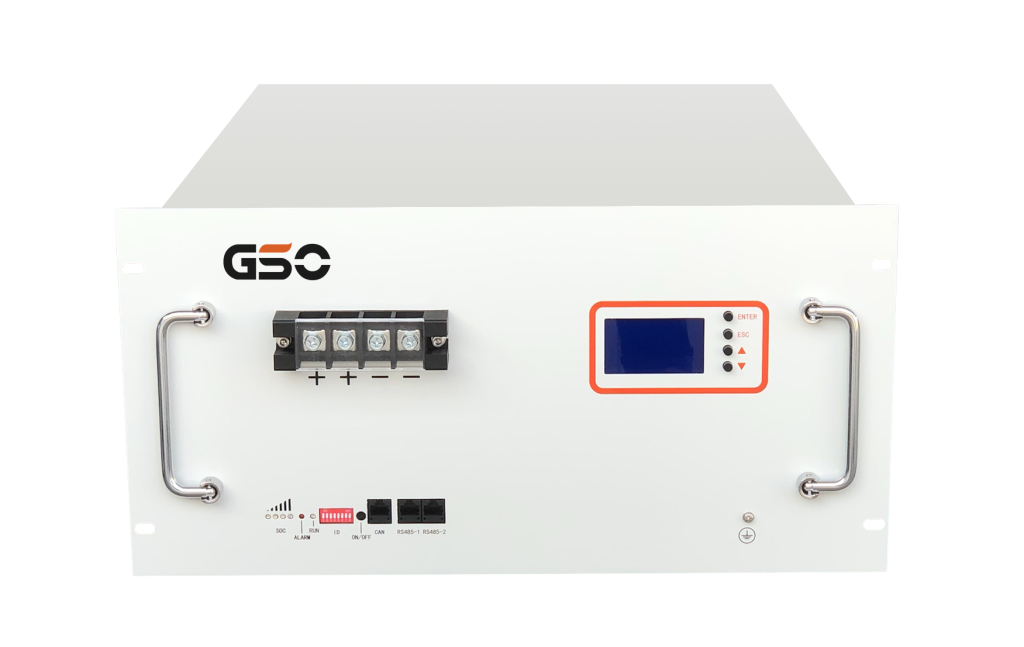
3. Prioritize compatibility and serviceability. Open communications, replaceable modules, and clear firmware update paths cut lifecycle costs.
Closing summary
Comparing integrated all‑in‑one storage with modular setups clarifies the choice. Pick integration for compact, high‑surge needs; pick modular for scale and serviceability. Use measured surge tests, solid inverter specs, and clear warranty terms to guide procurement. Practical checks beat glossy specs every time.
gsopower stands out when you want tested surge performance and clear service paths. Practical, proven options — that’s the point.
Short note: think simple.
