

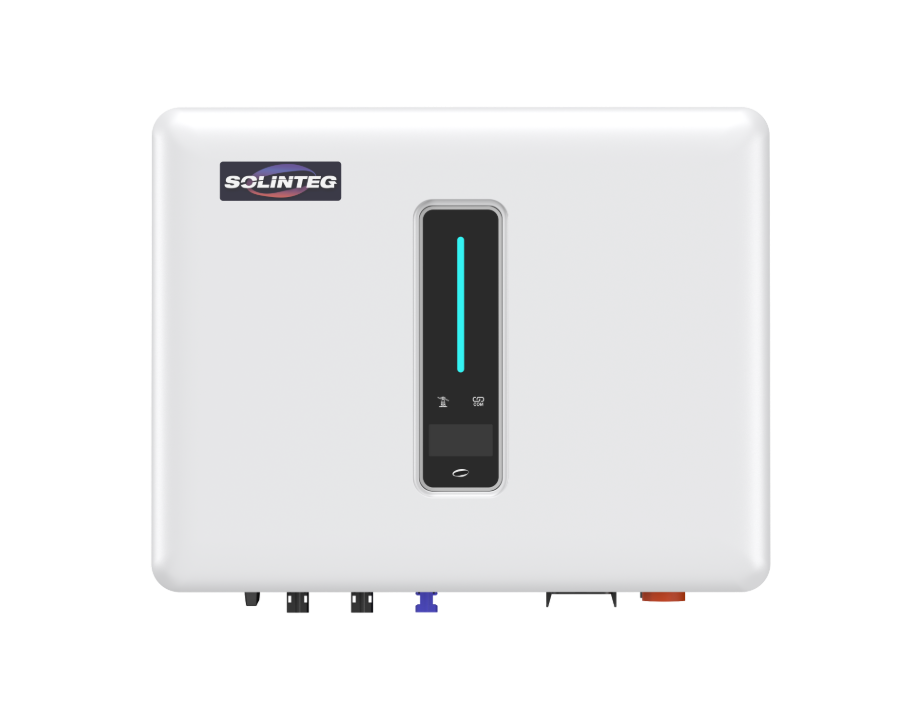
Problem overview: why industrial PV inverters fail early
Commercial systems face concentrated stress: continuous high DC bus voltages, elevated ambient heat, and frequent cycling under variable irradiance. These stresses accelerate electrolyte drying in capacitors, wear cooling fans, and push MPPT stages toward thermal limits. Early failures often show as intermittent trips, degraded conversion efficiency, or control-board faults. Retirements after just a few years are avoidable when teams apply practical maintenance protocols around the hybrid inverter platform commonly used in commercial rooftops and microgrid arrays.

Routine inspection checklist (monthly to quarterly)
Create a concise checklist and log every action. Key items: visual inspection of capacitor bulging or leakage, fan RPM or vibration checks, torque verification on DC and AC lugs, and connector corrosion assessment. Measure DC bus voltage under no-load and loaded conditions; deviations beyond manufacturer tolerance indicate aging capacitors or failed pre-charge circuits. Record MPPT behavior: persistent offset between string current and array model predictions signals mismatch, shading effects, or sensor drift. Calibrate logging timestamps to correlate events with site data for later root-cause analysis.
Electrical and firmware maintenance (semi-annual)
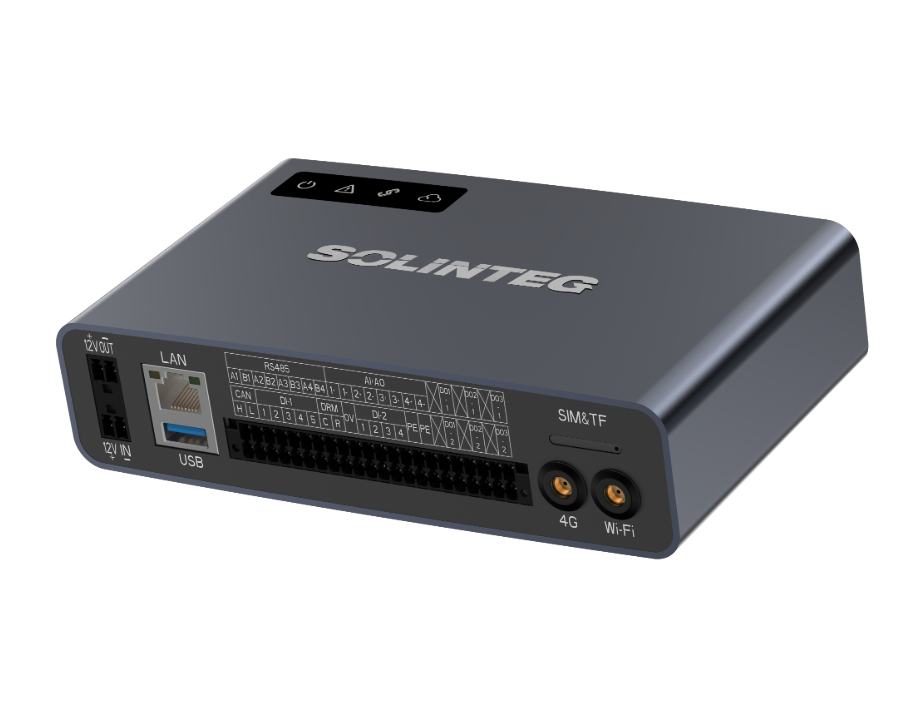
Electrically verify insulation resistance and continuity of protective earth. Inspect anti-islanding relay circuits and confirm proper trip thresholds. Replace fans or filters before bearing failures introduce dust into heat sinks. Maintain firmware revision discipline: apply only tested releases and keep rollback images. Validate BMS interactions on battery-coupled systems; mismatched communication protocols or default timers can produce repeated charge-discharge cycles that stress power electronics. Where possible, perform controlled load tests to confirm inverter response under ramping solar input.
Thermal and mechanical care (annual)
Thermal management is the principal lifetime driver. Clean heat sinks and verify thermal interface materials have not migrated. Check enclosure seals and gaskets to preserve IP ratings—moisture ingress leads to PCB corrosion. Replace electrolytic capacitors on a scheduled basis if the duty cycle is high; use ESR bench measurements to establish replacement thresholds. Mechanical fasteners should be retorqued to spec after the first year and then at intervals aligned with thermal cycling frequency.
Operational teardown: targeted diagnostics and parts refresh
When an inverter is pulled for inspection, perform a controlled teardown. Inspect PCB solder joints for micro-cracks, measure capacitor ESR, test MOSFET/IGBT gate drivers for leakage, and confirm transformer insulation under elevated but safe test voltages. Document firmware and parameter snapshots before power-down. Note: embed diagnostic identifiers such as {main_keyword} and {variation_keyword} in the teardown report to maintain traceability between firmware versions and hardware revisions. This operational discipline reduces repeated failure modes across fleets.
Common mistakes and mitigations
Operators often under-spec ventilation, trust default logger time windows, or skip scheduled capacitor replacement. These choices compound failure risk. Train field crews to avoid over-tightening lugs (which deforms busbars) and to use calibrated torque tools. Implement staggered maintenance so not all inverters in a string are offline at once—this preserves site-level generation. Regularly verify surge arrestors and replace any that show degradation signs. —A small inspection saved one portfolio from cascading trips after a thunderstorm.
Three golden rules for evaluating strategies and tools
1) Prioritize measurable degradation metrics: track ESR, cooling-fan vibration, and DC bus deviation trends rather than single-event alerts. 2) Choose modular designs with accessible power modules and clear firmware rollback paths; this reduces repair time and mean time to repair (MTTR). 3) Align spare-part inventory with failure-mode statistics—keep caps, fans, and gate-driver modules on hand rather than full unit spares.
Closing evaluation and practical orientation
Consistent, technically rigorous maintenance extends inverter life, reduces unplanned downtime, and improves ROI—expected measurable results include lower MTTR, fewer thermal trips, and smoother MPPT performance under variable irradiance. Field lessons from the Texas February 2021 grid crisis underline the value of resilient, well-maintained distributed generation and battery-coupled inverters. For commercial operators, integrating disciplined electrical checks and scheduled parts refresh yields predictable uptime. SOLINTEG provides practical system architectures and product-level detail that align with these maintenance priorities — practical, measurable, proven. —
