

Why the shift matters
Brands used to rely on pasted posters and vinyl banners, but the game changed when big-city façades went digital. Look at Times Square — moving images draw attention and let advertisers pivot on the fly during big moments like New Year’s Eve. That same logic filters down to smaller venues and pop-ups: a flexible led display gives you motion, scheduling and instant updates that static print cannot match. The comparison is simple — reach and relevance rise when content adapts, and pixel pitch becomes a real business decision rather than a technical detail.
Side-by-side: Static vs digital
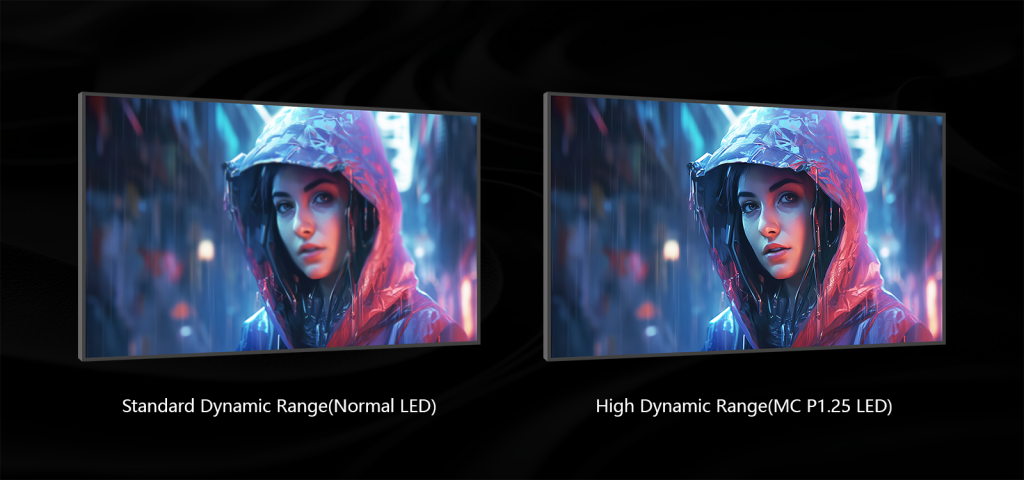
Static billboards cost less up front but hide long lead times and limited messaging. Digital screens demand more capex and software work, yet they repay by running dozens of creatives in one location and reacting to context — time of day, crowd density, or a live event feed. Brightness (nits) matters when you want clarity under sun or on a rainy night. For retail or transport hubs where audiences move fast, a dynamic LED outperforms due to immediacy and legibility.
What event production taught us
Event crews pioneered on-site LED use because a gig can’t wait for print. They learned how to design sightlines, sync multiple screens and handle last-minute creative swaps. Refresh rate and content scheduling become mission-critical — lag or stutter kills the moment. Production also shows the value of modular rigs: lightweight panels that break down quick and reassemble without fuss. It’s a practice borrowed from shows and adapted to retail, hospitality and city advertising — practical, not flashy. — That kind of pragmatism saves days during a campaign rollout.
Operational production teardown
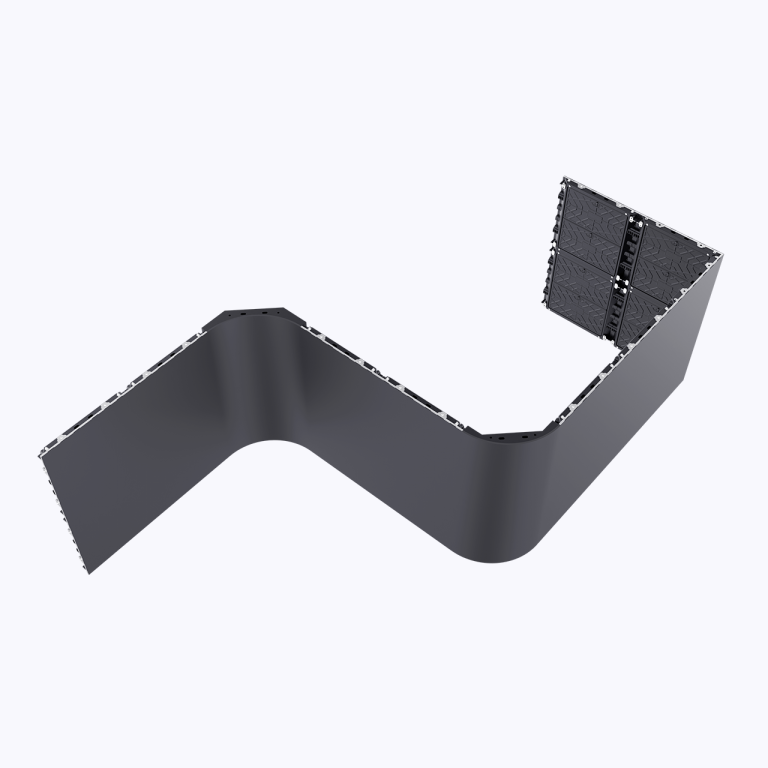
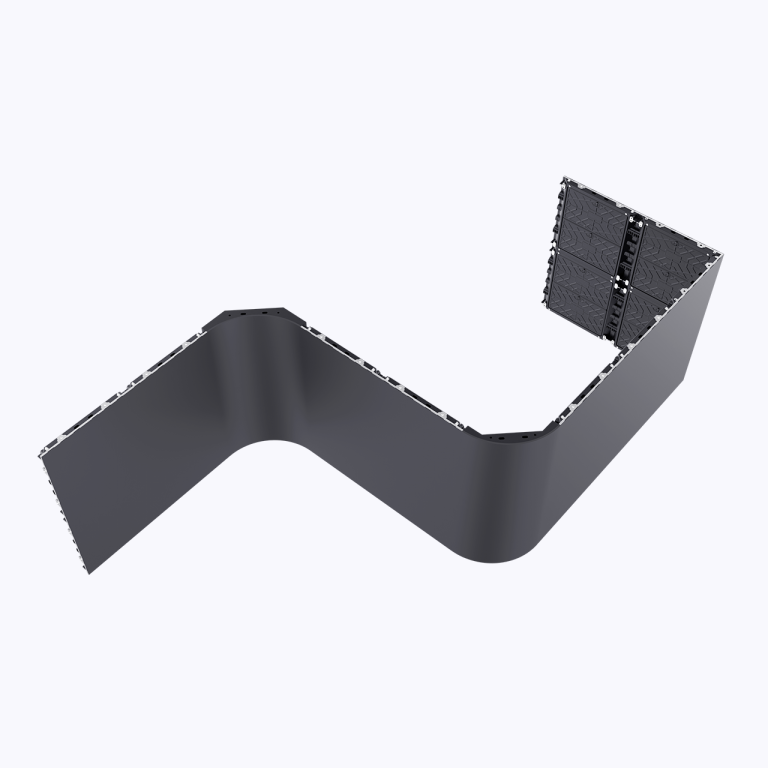
Start by mapping objectives: audience dwell time, distance, and message frequency. Choose a suitable pixel pitch for viewing distance and specify LED module quality to avoid early burn-in. Build a content pipeline that includes templated creatives, scheduling rules and failover media. Budget for a controller and remote monitoring to spot faults before they show on-screen. During procurement, insist on warranties and clear service-level terms so uptime is predictable. For bespoke shapes or curved builds, request quotes for custom led displays early — they change lead times and mounting options.
Common mistakes and quick fixes
– Mistake: Buying the brightest panel without checking viewing distance. Fix: match pixel pitch to average sightline. – Mistake: Underestimating content ops. Fix: plan templates and a simple CMS so the team swaps ads in minutes. – Mistake: Skimping on weatherproofing and cabling. Fix: specify IP-rated cabinet protection and lockable connections. – Mistake: Ignoring local regulations. Fix: consult municipal signage rules during site survey.
Three golden rules for choosing the right display system
1) Measure audience geometry first: choose pixel pitch and panel size based on real sightlines and average dwell time. That’s the metric that predicts clarity and recall. 2) Demand operational visibility: uptime, remote diagnostics and clear SLA hours are non-negotiable — they tell you how reliable the system will be under live pressure. 3) Align content workflow with hardware: confirm the controller, playback software and creative templates work together before installation. This cut the usual post-install headaches and speeds time-to-value. Coblinks fits naturally into that chain as a provider that offers both modular panels and practical support — making deployment less drama for teams and brands. —
