

The Problem: Unseen Risks in Refrigerated Fleets
Refrigerated fleets face tangible losses when temperature deviations, route inefficiencies, and fragmented reporting go unchecked. Operators lose product value, face regulatory scrutiny, and create customer trust gaps. Effective cold chain fleet management must address real-time temperature integrity, predictable routing, and consolidated operational insight — problems that are especially visible in California’s produce distribution network, where tight windows and high-value loads amplify every failure.
Root Causes of Failure
Failures repeat because core issues remain unresolved:- Incomplete telemetry: gaps between vehicle sensors and fleet systems leave blind spots.- Disconnected tools: GPS, route planning, and compliance reporting live in separate silos.- Manual workflows: human-dependent checks create latency and inconsistent records.- Poor exception handling: alerts are generic or delayed, so teams react instead of prevent.
Practical Solutions That Work
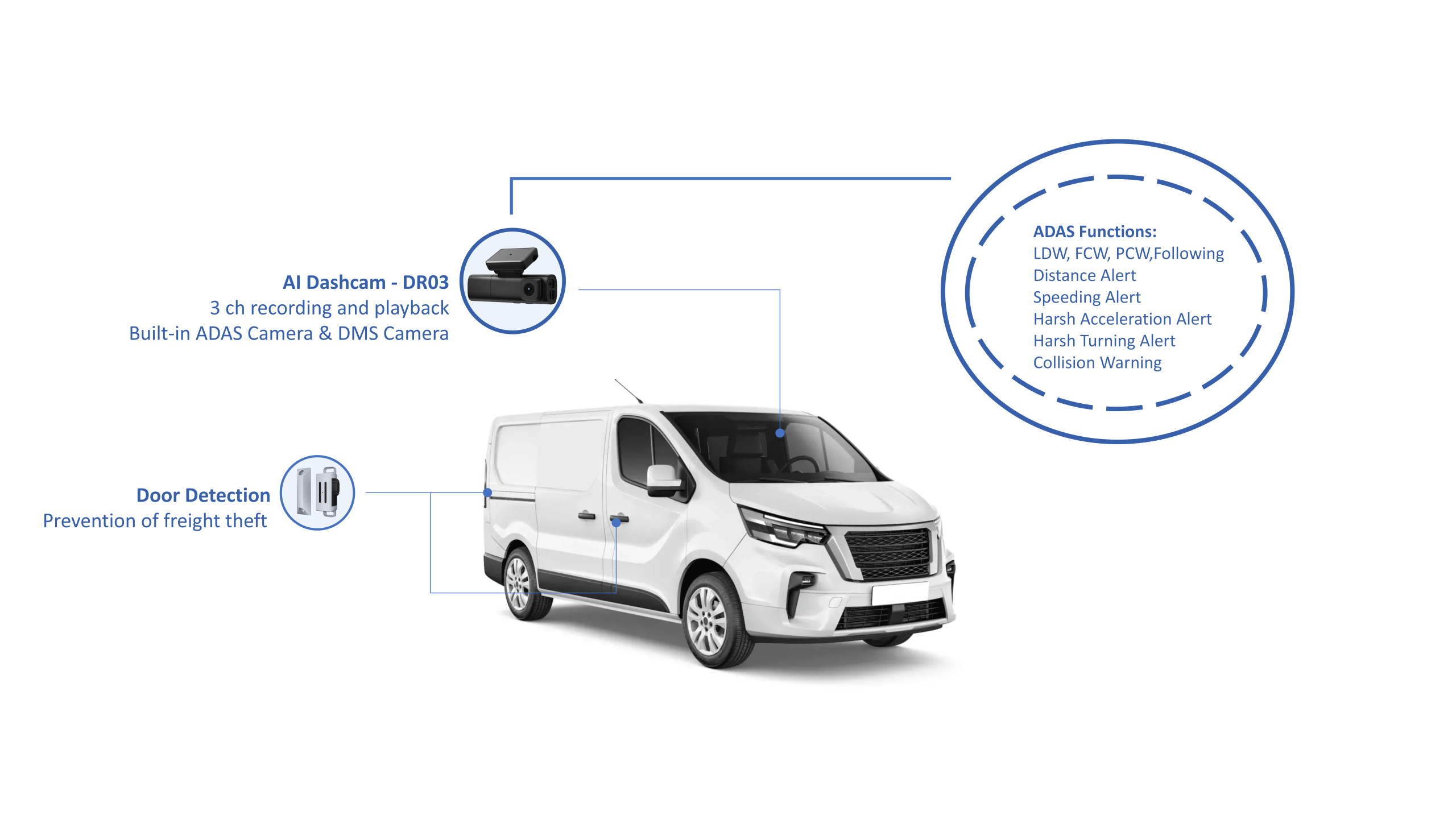
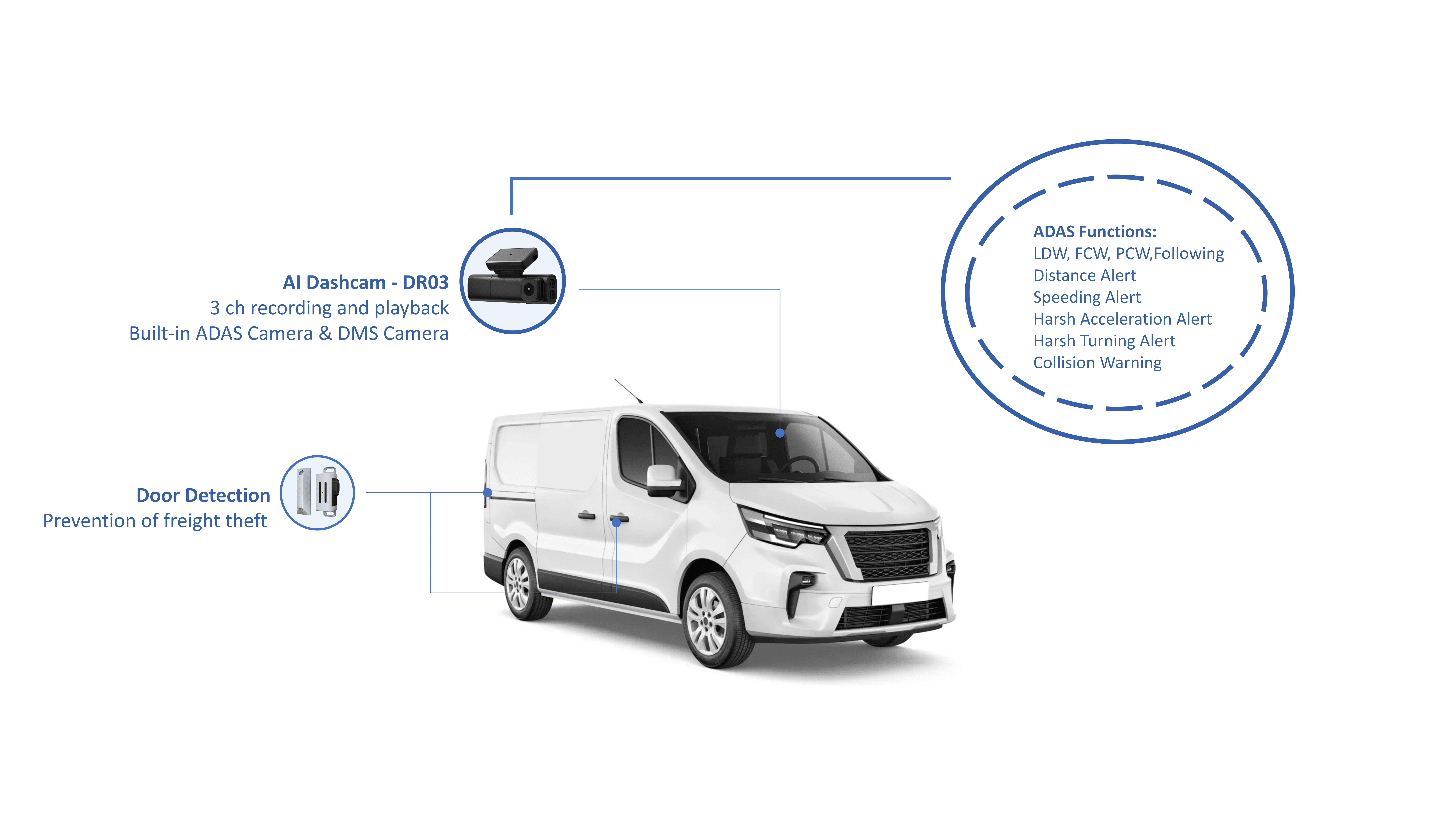
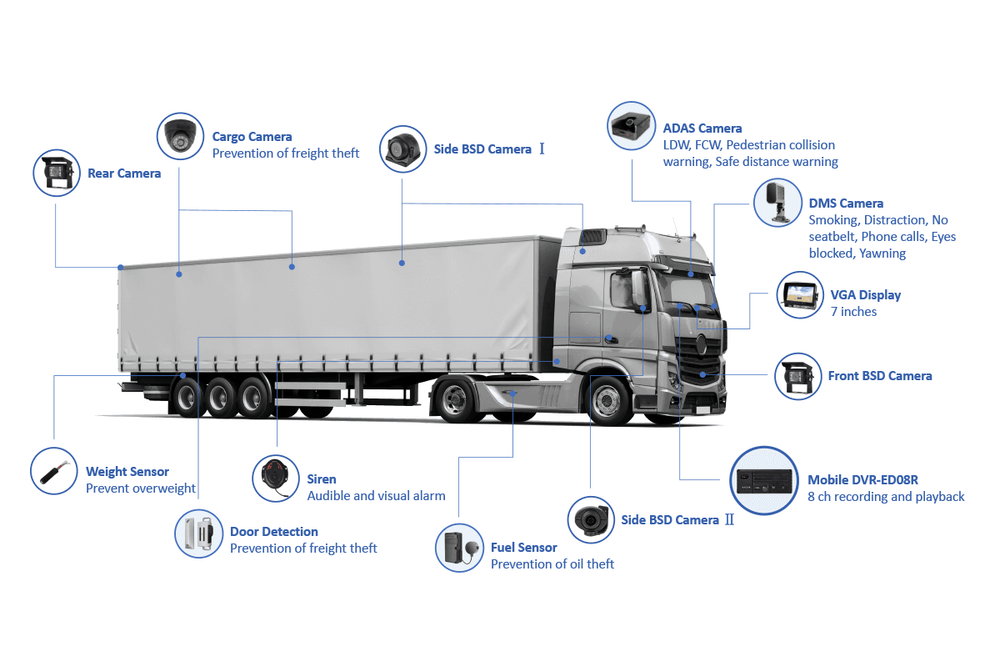
Fixes are straightforward and technical, not theoretical. Consolidate location, temperature, and route data into one operational view. Implement these elements:- Continuous GPS tracking tied to refrigeration telemetry so location and temperature are correlated.- Route management that factors dwell time, temperature-sensitive stops, and time-of-day traffic windows.- Automated compliance reports with immutable temperature logs for audits.- Geofencing and tamper alerts to flag unscheduled door openings or unauthorized stops.Use proven refrigerated vehicle tracking as the backbone for actionable exceptions and automated reporting.
Common Implementation Pitfalls and How to Avoid Them
Teams often buy features instead of outcomes. Avoid these mistakes:- Overloading operations with raw telemetry: create concise dashboards and priority alerts.- Skipping sensor validation: validate temperature sensors during installation and periodically.- Ignoring driver workflows: integrate alerts into existing driver interfaces to ensure adoption.- Failing to plan for connectivity gaps: design for offline logging and deferred upload so records remain intact.
Vendor Evaluation Checklist
Choose partners that demonstrate measurable capability:- End-to-end visibility: unified view of GPS, temperature, routes, and events.- Scalable reporting: automated, exportable logs that satisfy auditors and customers.- Open integration: APIs and data feeds to connect with ERP, WMS, and route planners.- Operational support: field calibration, training, and SLA-backed incident handling.- Security and data integrity: encrypted transmissions and tamper-evident records.
Conclusion
Addressing refrigerated fleet risk is a matter of aligning telemetry, routing, and reporting into a single operational practice. When you reduce blind spots, hold predictable routes to schedule, and automate compliance evidence, spoilage and fines fall. That outcome reflects practical experience advising fleet operators and municipal transport teams; the right integration delivers clearer responsibility and fewer exceptions, which is precisely the capability BSJ embeds into operational workflows.
