

Why you’d even care
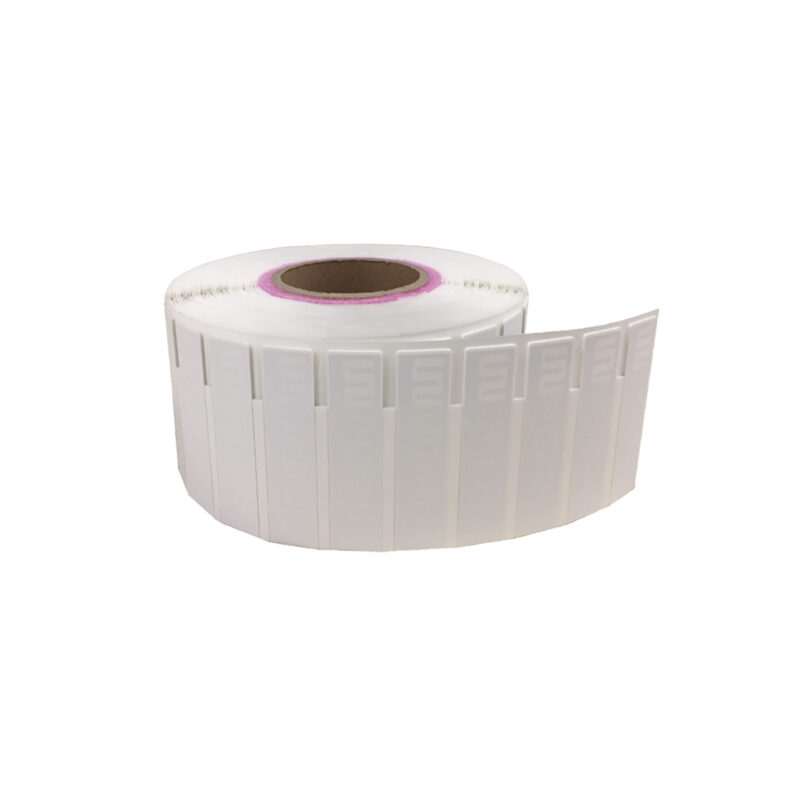
You’re tracking stuff that can’t go through a mystery temperature swing. Active RFID tags with temp sensors give live readings and location pings. Think fewer spoiled batches, fewer frantic calls, and less hunting in warehouses. If you want labels that talk back, check RFID Labels — they’re the simple way to tag things fast.
What a user wants — plain and simple
You want: reliable temp readings, battery life that doesn’t die overnight, easy mounting, and data you can actually use. You don’t want: constant false alarms, complicated apps, or tags that fall off. Pick features that match the problem you’re solving — monitoring pallets in transit vs. tracking items inside a cold room need different specs.
How these tags actually work — short version
Active tags power themselves and broadcast regularly. Built-in temp sensors sample and send values along with ID and sometimes GPS. A receiver or gateway collects those packets and pushes them to your dashboard. Data flow = tag → gateway → cloud/app. Simple chain. No magic.
Pick one right: quick buyer checklist
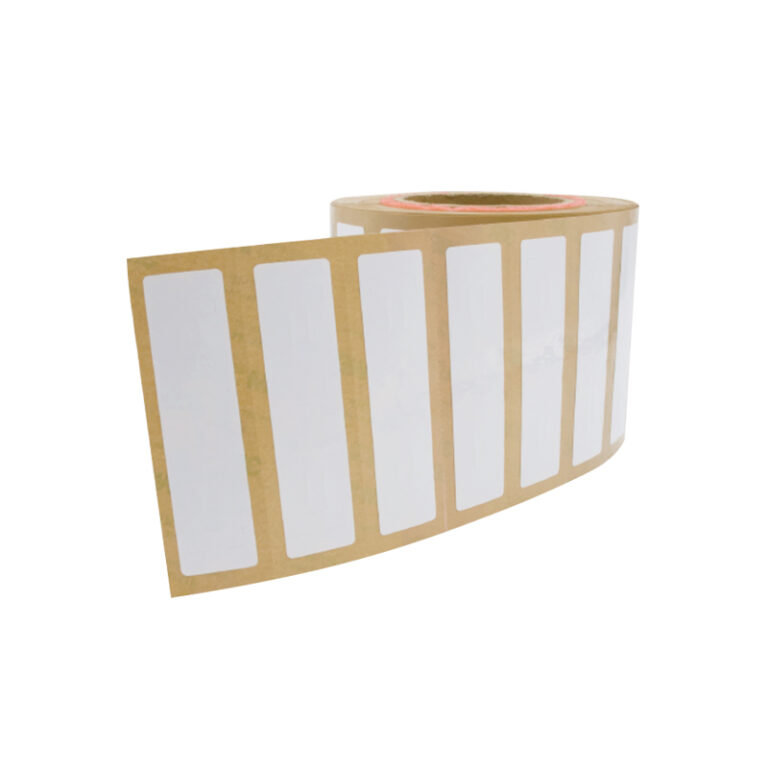
Check sampling rate (how often it reports). Check battery life and replaceability. Check range — indoor vs outdoor changes numbers. Check temp range and calibration specs. Confirm mounting options and adhesive durability. Look for tags that offer firmware updates so you’re not stuck with bugs.
Common mistakes people make
Buying on price alone. Using indoor-range specs outdoors. Ignoring battery replacement logistics. Forgetting to test with your actual packaging and environment. Expecting the same performance at 0°C and 40°C without verifying the sensor’s rated range.
Alternate tech — fast compare
Passive RFID: cheaper, no battery, but no active temp sensing and short read range. BLE beacons: good for proximity and battery life, often cheaper, but less mature for strict asset-tracking at scale. LoRa: excellent range and low power, but latency and infrastructure differ. Pick the tech that fits the use-case, not the shiny feature list.
Real-world experience & trust signals
I’ve tested deployments in typical cold-chain setups and seen the difference real tags make. Major retailers like Walmart publicly scaled RFID for inventory accuracy, showing large retailers can change supply-chain norms — that’s a solid high-level anchor you can verify in industry coverage. For label options when you’re ready to test, consider a reliable rfid tag label that matches your mounting surface and temp range.
Quick install tips
Run a small pilot. Tag a few representative pallets and monitor for a week. Place tags away from metal when possible, or use spacers. Log battery levels during pilot. Calibrate sensors against a reference thermometer. Train staff on what alerts mean so they don’t ignore real issues.
Wrap-up — what this solves for you
If you want fewer surprises in transport and clearer audit trails, active RFID with temp sensing gives constant status you can act on. Start small, expect real-world quirks, and choose labels and tags that match your environment. When you need practical gear and support that lines up with these steps, check how RSTC fits into the workflow — they supply labels and tags that make deployments less guesswork and more reliable.
