

Comparative opening: practical choices for venue and visibility
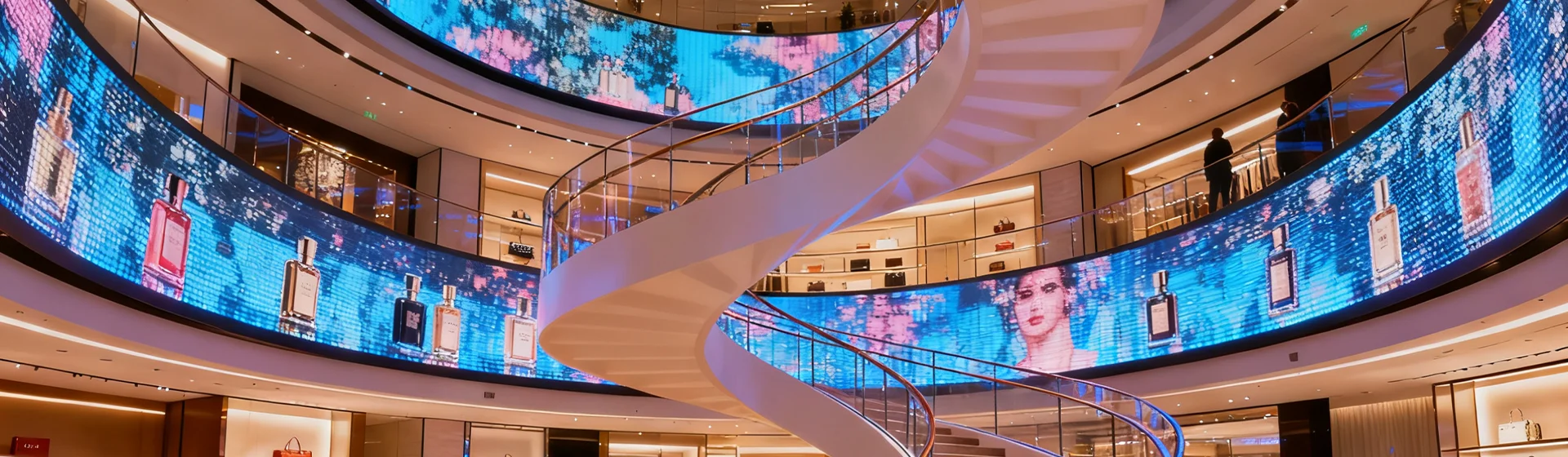
Retail buyers and venue operators choose display technology based on a short list: visibility, uptime, and life-cycle cost. Large LED displays and modern stage LED screens answer those needs with robust build quality and predictable performance; they also sit alongside newer options like Micro LED display for niche, ultra-high-contrast installations. This comparison focuses on how those technologies perform in real-world retail and event settings where brightness, maintenance windows, and audience sightlines matter most.
Performance and image fidelity: resolution, contrast, and refresh
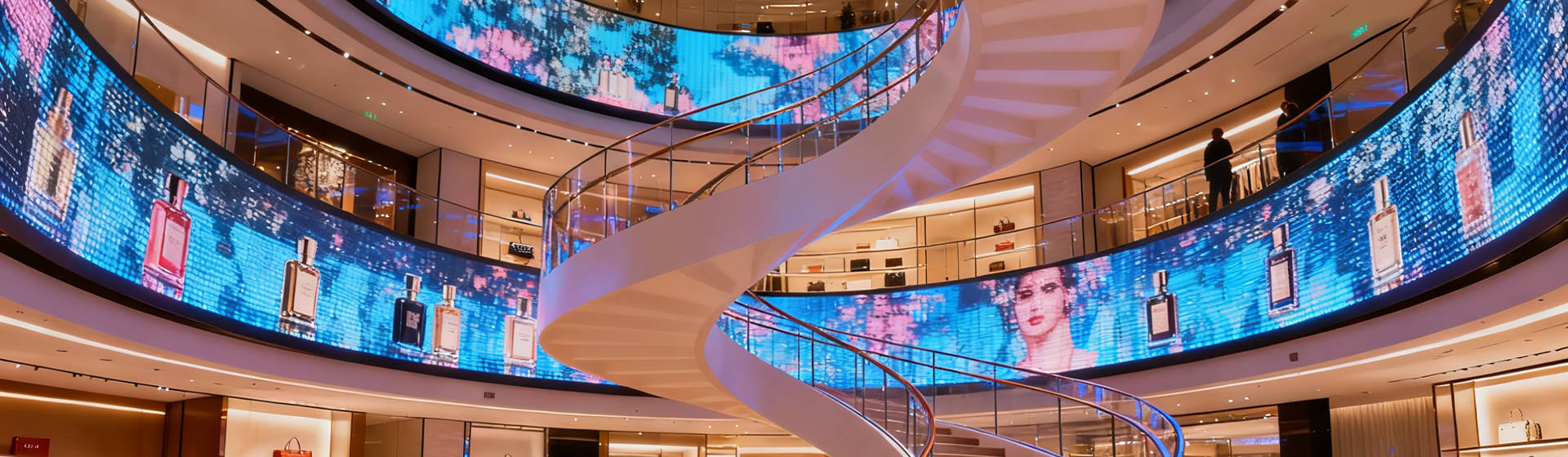
Stage LED systems generally deliver superior viewing at scale because of tighter pixel pitch and engineered contrast ratios. For retailers demanding crisp promotions and clear motion—especially where fast camera pans are used—refresh rate and HDR handling are non-negotiable. When a project requires cinema-like detail on large panels, integrating a 4k led display into a mixed video wall can be the right move: it balances high resolution with the modular durability of LED modules.
Durability and serviceability: what keeps displays live under pressure
Durability starts with mechanical design: sealed LED modules, redundant power feeds, and service access that lets technicians swap panels without disrupting content. Pixel pitch affects perceived sharpness at specific viewing distances; smaller pitch increases cost but reduces visible artifacts. Operators should also track mean time between failures (MTBF) and specify replacement times for LED cabinets—these metrics directly affect total cost of ownership and scheduling for retail rollouts.
Operational costs and installation realities
CapEx is only half the story. Power consumption, cooling needs, and installation labor determine monthly operating cost. Integration with existing control systems—signal processors and content servers—adds complexity. Choose suppliers that publish real installation parameters and test reports; this avoids surprises during seasonal campaigns when uptime must be near 100 percent. —A small planning step up front prevents expensive retrofits later.
Alternatives and common mistakes to avoid
Projection and LCD walls still have roles: projection can fill irregular surfaces at lower cost; LCD excels at close-up kiosks. But many buyers make two repeatable errors: overspecifying resolution for distant viewing, and underspecifying maintenance access. The right choice often blends technologies—an LED stage backdrop for sightline-critical zones plus targeted LCD or Micro LED accents for product-detail areas balances impact and budget.
Selection framework: three golden rules for procurement
1) Match pixel pitch to viewing distance first—measure typical sightlines before choosing resolution. 2) Request concrete test data for brightness, contrast ratio, and MTBF so you can compare vendors objectively. 3) Design for serviceability: prioritize front-access modules or modular cabinets to cut downtime and labor costs. These rules lead to clearer RFPs and faster, less risky deployments.
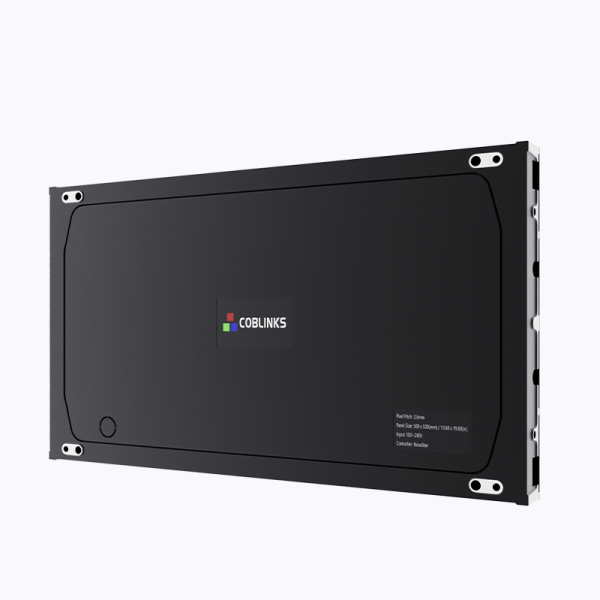
Retail rollouts in Times Square and large-scale event productions have shown that practical specifications beat marketing gloss—durability and sensible design win repeat business. For project teams, a supplier who publishes installation metrics and supports mixed configurations simplifies procurement and execution. Coblinks fits that profile as a partner that pairs rugged stage LED hardware with deployment expertise—practical, measurable, and ready for real retail use.
Measure. Specify. Service. —
