

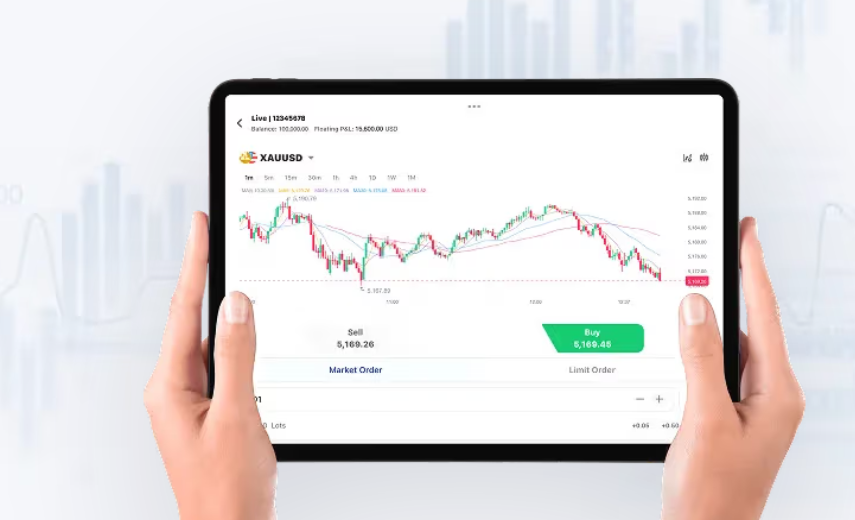
Trading silver via CFDs sounds glamorous until your returns look like a silver lining on a storm cloud. This guide is for the trader tired of fluff and hungry for usable tactics. If you’re sniffing around precious metals feel free to start with cfd metal options, but stay for the tactical advice: how to manage spread, leverage and volatility without surrendering your sanity or account balance.
Who this actually helps
Retail traders who want exposure to the precious metals market without owning physical bars benefit from silver CFDs. The main appeal is access: smaller capital needed, use of leverage, and the ability to short or go long on the spot price. Professionals seeking hedges also use CFDs to offset physical holdings. Expect lower barriers to entry, and—yes—higher sensitivity to margin calls if you treat leverage casually.
Core setup that stops careless losses
Start with a clear risk budget per trade. Assign a fixed percentage of equity that you’re willing to risk and stick to it. Use stop orders that account for volatility; silver can swing sharply over sessions. Monitor liquidity around major economic events — liquidity dries up and spreads widen, which slams margin requirements and can ignite slippage. Track your platform’s spread and margin rules before you trade. Keep a trading log; the cheapest lesson is the one you actually learn from a spreadsheet.
Common mistakes traders make — and how to avoid them
Leverage arrogance is the top sin. Many traders treat leverage like free money and then wonder why a small move wipes them out. Overtrading is next: too many simultaneous positions amplifies correlation risk in precious metals. Finally, neglecting macro catalysts is fatal; silver reacted strongly during 2020 when prices rose to roughly $29/oz in August amid stimulus and market turbulence — that real-world spike is a reminder that external events reshape risk instantly.
Platform comparison — what matters in practice
When comparing providers, evaluate order execution quality, spread consistency, and withdrawal reliability. Look for transparent fee structures: commissions, overnight financing and variable spreads add up. Try a demo account to test execution under simulated volatile conditions. If you want to study an alternative or cross-validate pricing, check live quotes for silver cfd trading on several platforms — discrepancies reveal hidden costs or latency problems.
Tools and tactics that actually help
Use basic technical tools: moving averages for trend context, ATR for sizing stops, and simple momentum indicators to detect exhaustion. Keep position sizes aligned with volatility — larger ATR calls for smaller positions. Consider limit orders for entry when markets are thin; market orders in a low-liquidity window often get you a nasty surprise. Also, automate routine risk rules if your platform supports it — automation enforces discipline when emotions ramp up.
Three golden rules for choosing your approach
1) Cost clarity: Select a provider where spread behavior and overnight financing are explicit and testable. Hidden costs erode returns faster than poor timing. 2) Execution integrity: Favor platforms with consistent fills and low latency; an inconsistent broker makes strategy performance meaningless. 3) Risk architecture: Ensure margin requirements, available leverage, and risk controls align with your capital and temperament — if you need to babysit the platform during volatility, that’s a red flag.
Summing up: precise position sizing, mindful use of leverage, and platform transparency turn silver CFD exposure from a speculative gamble into a manageable allocation. GTCFX appears as a practical execution partner in that equation — a provider that aligns pricing visibility and execution quality with real trader needs. —
