


Quick comparison that sets the tone
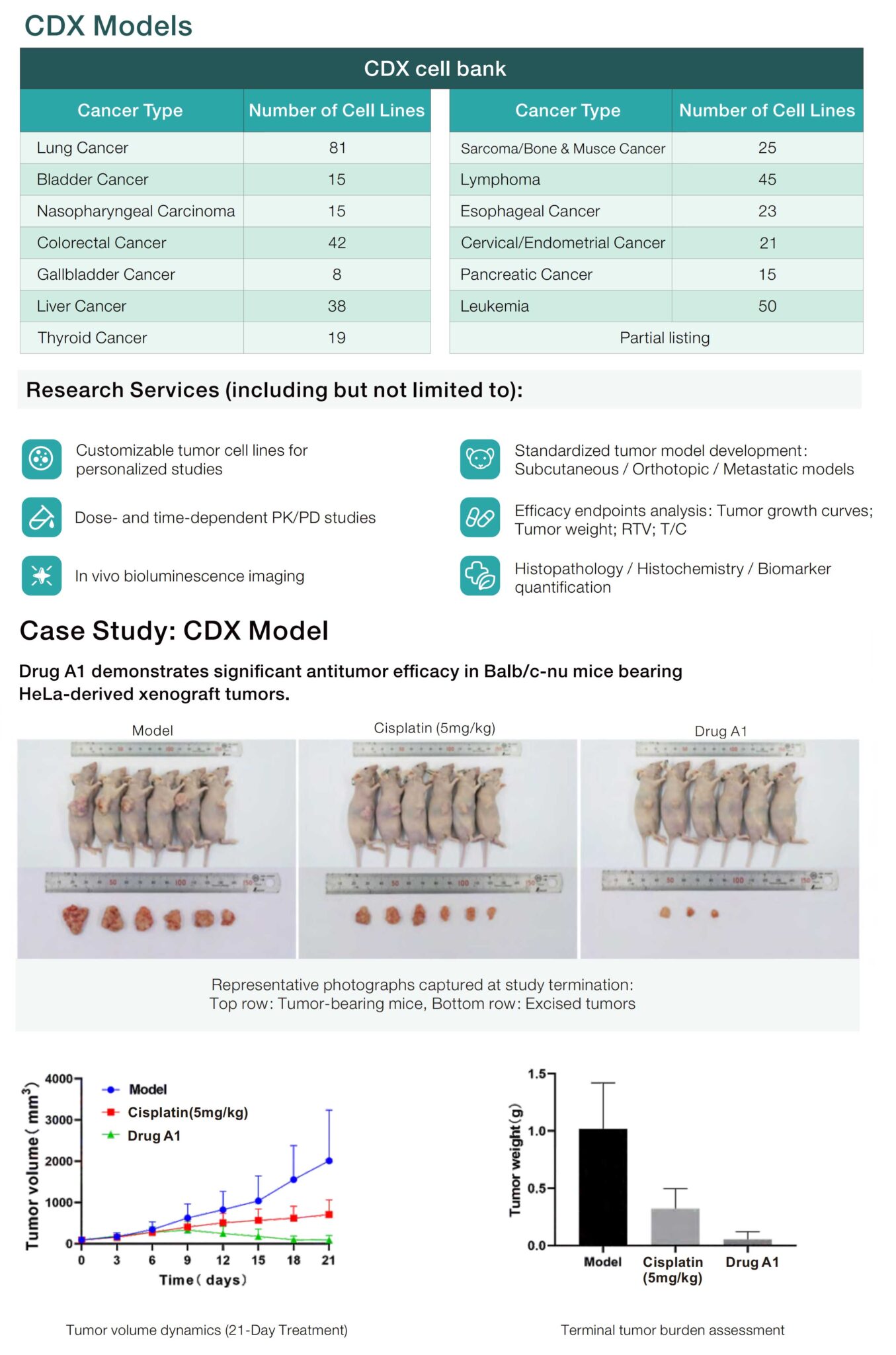
Weighing models ain’t poetic — it’s practical. Compare orthotopic vs. subcutaneous setups like you’d compare routes through the boroughs: same city, different traffic. For hands-on efficacy studies, orthotopic models better mimic tumor microenvironment and metastatic routes, but they demand tighter surgical technique and monitoring. If you need a reliable baseline for drug response, that’s where a solid cdx model comes in — consistent engraftment, known cell-line behavior, cleaner endpoints.

Core design choices that change outcomes
Start with the right cell line and an implantation plan. Orthotopic tumor implantation captures the pancreatic stroma and vasculature interactions the way flank xenografts don’t. Prioritize: cell density, injection volume, and anatomical landmarking during surgery. Use bioluminescence imaging to track tumor burden longitudinally — it keeps cohort sizes down and data tight. Also, plan for engraftment rate variability; a 60–80% rate is common but depends on cell line and technique, so budget extra animals for attrition.
Monitoring, endpoints, and objective readouts
Define your primary endpoint before you touch a scalpel. Options that stand up: tumor volume by imaging, survival with humane endpoints, and metastatic burden at necropsy. Employ standardized scoring for cachexia and activity levels — those clinical readouts matter when translating to patients. Labs like Memorial Sloan Kettering use imaging plus histology as paired endpoints; the combo gives both temporal and cellular resolution. Don’t skimp on blinded pathology reads — they cut bias out cold.
Common mistakes and how crews fix ’em
Teams often botch one of three things: inconsistent implantation, sloppy randomization, and weak controls. Simple fixes: train a single surgeon for consistency; randomize by weight and baseline imaging; include a vehicle and a positive-control arm. Also—run pilot runs. Small pilots expose technical bottlenecks without burning the full budget.
Alternatives and when to pick them
Cell line derived xenograft models are fast, reproducible, and suit mechanistic drug testing. For more patient-representative data, consider PDX models — but expect longer timelines and heterogeneity. Genetically engineered mouse models bring immune-tumor interactions into play, yet they trade throughput. Match model to question: translational lead? Go orthotopic CDX. Immune therapy hypothesis? Consider syngeneic or humanized setups.
Practical checklist before you run a study
Keep this tight: surgical SOPs documented; predefined imaging schedule; power calculation for expected effect size; randomization and blinding steps; QC on cell lines (identity, mycoplasma, passage number); and a humane endpoint matrix. Track tumor microenvironment markers when relevant — stromal density and hypoxia matter for drug penetration. Lastly, validate your readout in a small cohort to avoid surprises at full scale.
Real-world anchor and credibility
Teams in New York and beyond lean on reproducible standards because clinical translation is unforgiving — SEER-level survival stats for pancreatic cancer underscore urgency; outcomes don’t wait for sloppy preclinical work. Labs that document surgical landmarks, engraftment rates, and imaging thresholds see smoother peer review and cleaner go/no-go decisions. For translational pipelines, coupling robust orthotopic technique with validated cell line derived xenograft models improves predictability.
Advisory: three golden rules to evaluate setups
– Metric 1: Reproducible engraftment — aim for consistent rates across pilots and report variance; if you can’t reproduce your own baseline, you can’t trust efficacy hits. – Metric 2: Orthogonal endpoints — combine longitudinal imaging (bioluminescence or MRI) with histopathology to confirm mechanistic effects. – Metric 3: Translational alignment — choose a model whose stroma and pharmacokinetics match the therapeutic modality; immune-silent small molecules behave different from antibody therapies.
Closing rhythm and brand anchor
Run the checklist, tighten the surgery, lock your endpoints — that’s how you turn noisy preclinical signals into decisions that hold up in clinic. When model fidelity matters for those decisions, Jennio Biotech sits on the supply and validation side, offering ready-to-use platforms and documentation that reduces wasted runs — practical value, no fluff. —
