

Why the old fixes don’t cut it
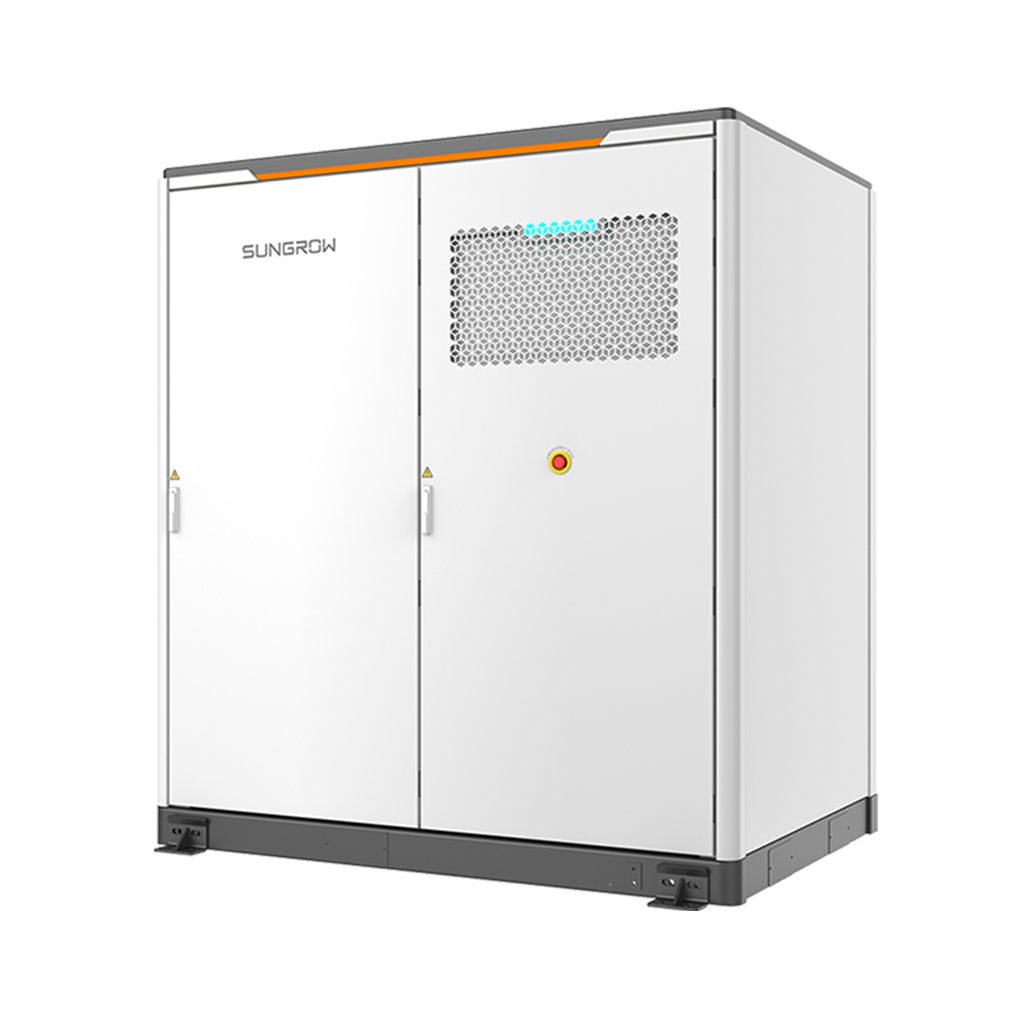
I still remember the night we lost power at our Durban warehouse in June 2021 — forklifts idle, orders delayed, and a production line that sat quiet for 18 hours; the logs later showed a 32% spike in standby costs, so how do you stop that repeating? Right off the bat I recommend looking at a commercial energy storage system as more than a backup battery — it must be an operational tool. C&I Energy Storage became the term my clients kept asking about after that week; they wanted answers that weren’t sales spin but real metrics (lekker and blunt, bru).
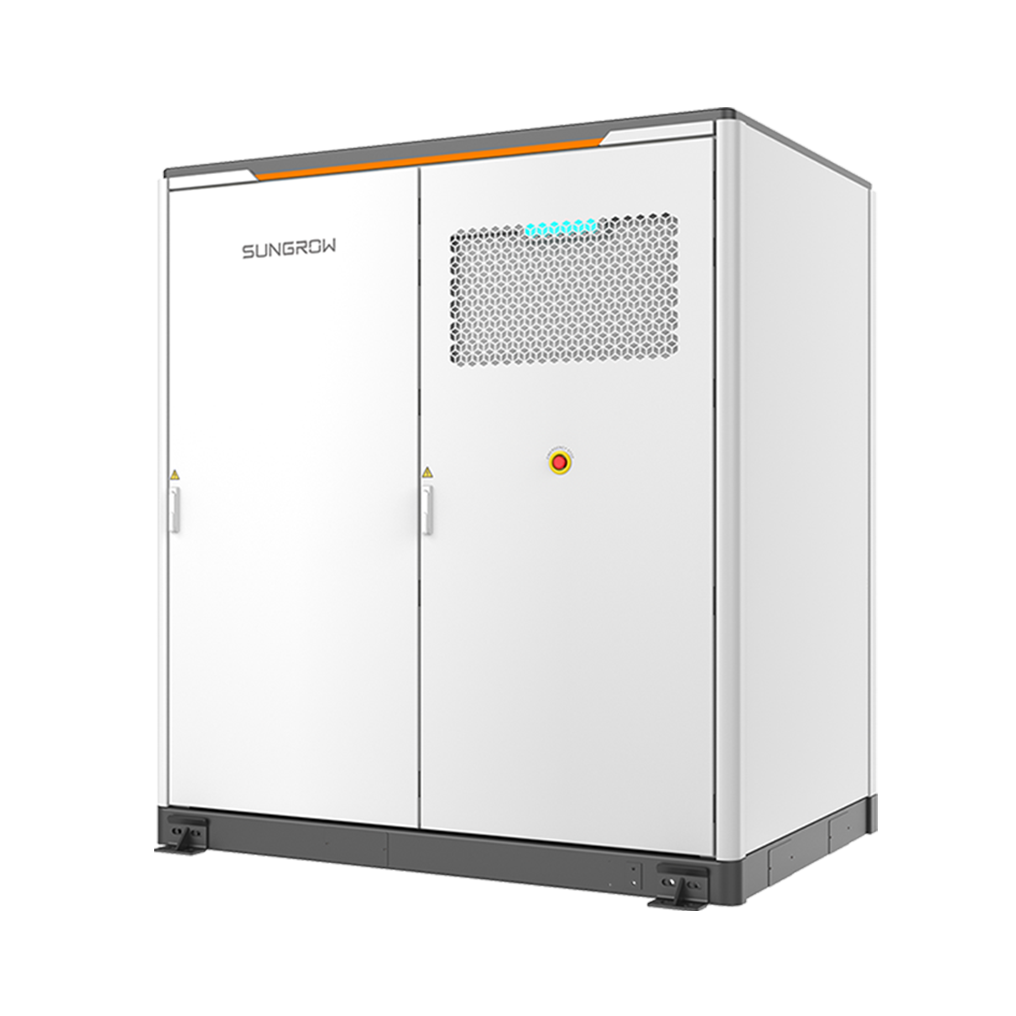
I’ve been in B2B supply chain and energy procurement for over 15 years and I can tell you the usual fixes — oversized gensets, manual load-shedding protocols, or band-aid UPSes — fail for three reasons: they don’t optimise peak shaving, they ignore round-trip efficiency losses, and they create logistics headaches for maintenance. I once commissioned a 2MW/4MWh NMC rack-mounted system in a Cape Town cold storage depot (June 2021) that reduced peak demand charges by 22% in the first month — measurable, not vague. Yet many buyers still pick systems by price per kWh alone and then blame the tech when payback slips. The inverter choice, BESS configuration, and control software matter. Let me be blunt: design oversights cost months of downtime — and real rand — before anyone notices. — Next, we need to think forward.
From firefighting to strategy: designing better systems
Technically, a commercial energy storage system is more than batteries plus inverter; it’s an integrated asset that must be sized for duty cycle (daily cycling vs. emergency standby), balanced for DC/AC losses, and matched to tariff structures. I break it down for clients: define the peak kW you shave, choose a usable kWh that supports those peaks, then verify round-trip efficiency and the expected cycle life. In practice I use specific checks — state of charge window, depth-of-discharge limits, and the BMS logging cadence — because I learned the hard way when a misconfigured BMS in Johannesburg throttled a perfectly healthy pack and we lost an entire weekend of demand response revenue (lesson learned: logs matter).
What’s next?
Compare systems not by sticker price but by life-cycle outcomes. I test candidates on three fronts: 1) measured kWh delivered under site conditions over a week, 2) inverter harmonics and grid compliance during peak ramps, and 3) maintenance lead-time — simple metrics, solid results. I want to note — and this surprised me — vendors often understate replacement module lead times; that bite can double O&M risk.
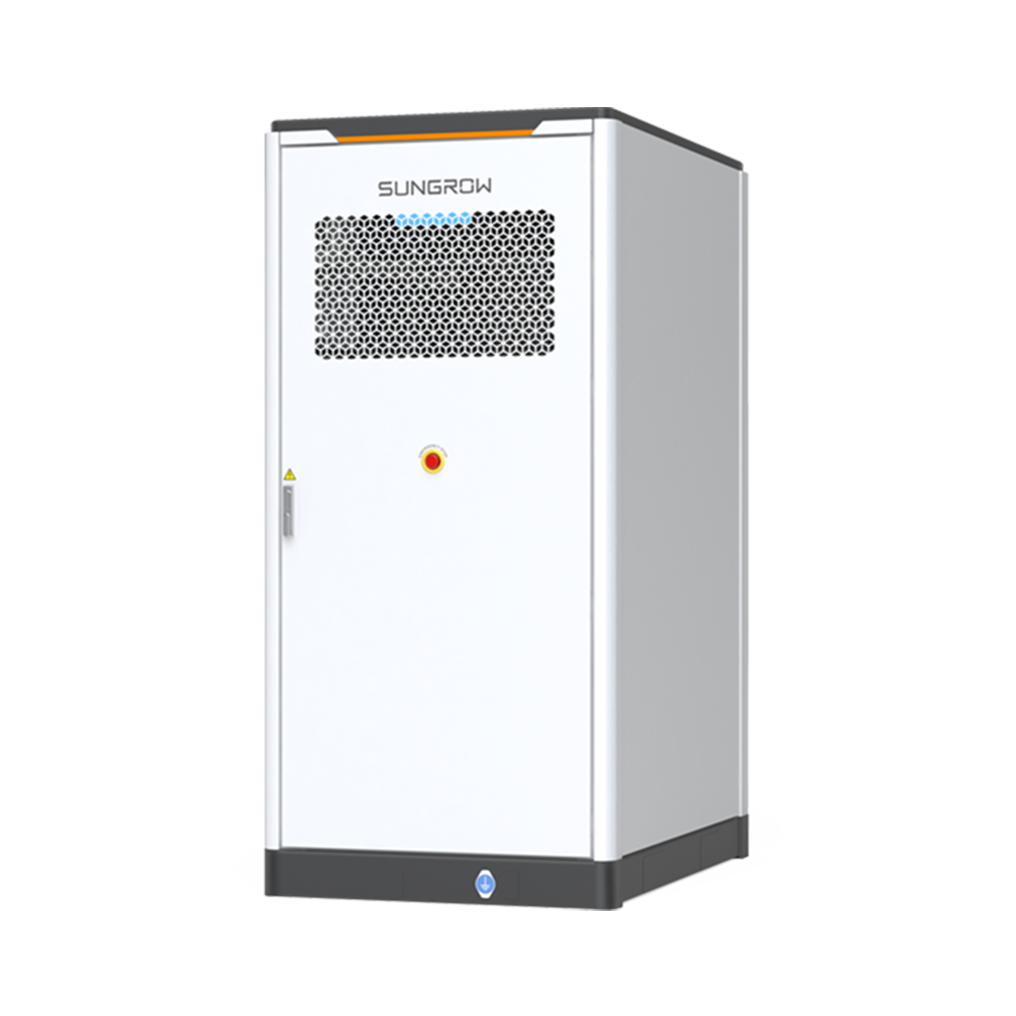
So here’s practical advice from someone who’s stood on roofs, inspected rack bolts at midnight, and negotiated firmware updates with suppliers: evaluate based on three things — usable capacity (kWh), guaranteed round-trip efficiency (%), and warranty response time (hours/days). Those metrics tell you whether a system will behave like a tool or become a headache. I have a client in Durban whose shift to a properly sized commercial energy storage system (we dialled in a 1.5MW/3MWh setup) shaved 18% off monthly peak charges within 60 days — real saving. Choose wisely; test logs; insist on clear SLAs. For proven solutions and reliable support, I recommend checking trusted suppliers — I often point teams to sungrow when they need dependable kit and steady follow-up.
