

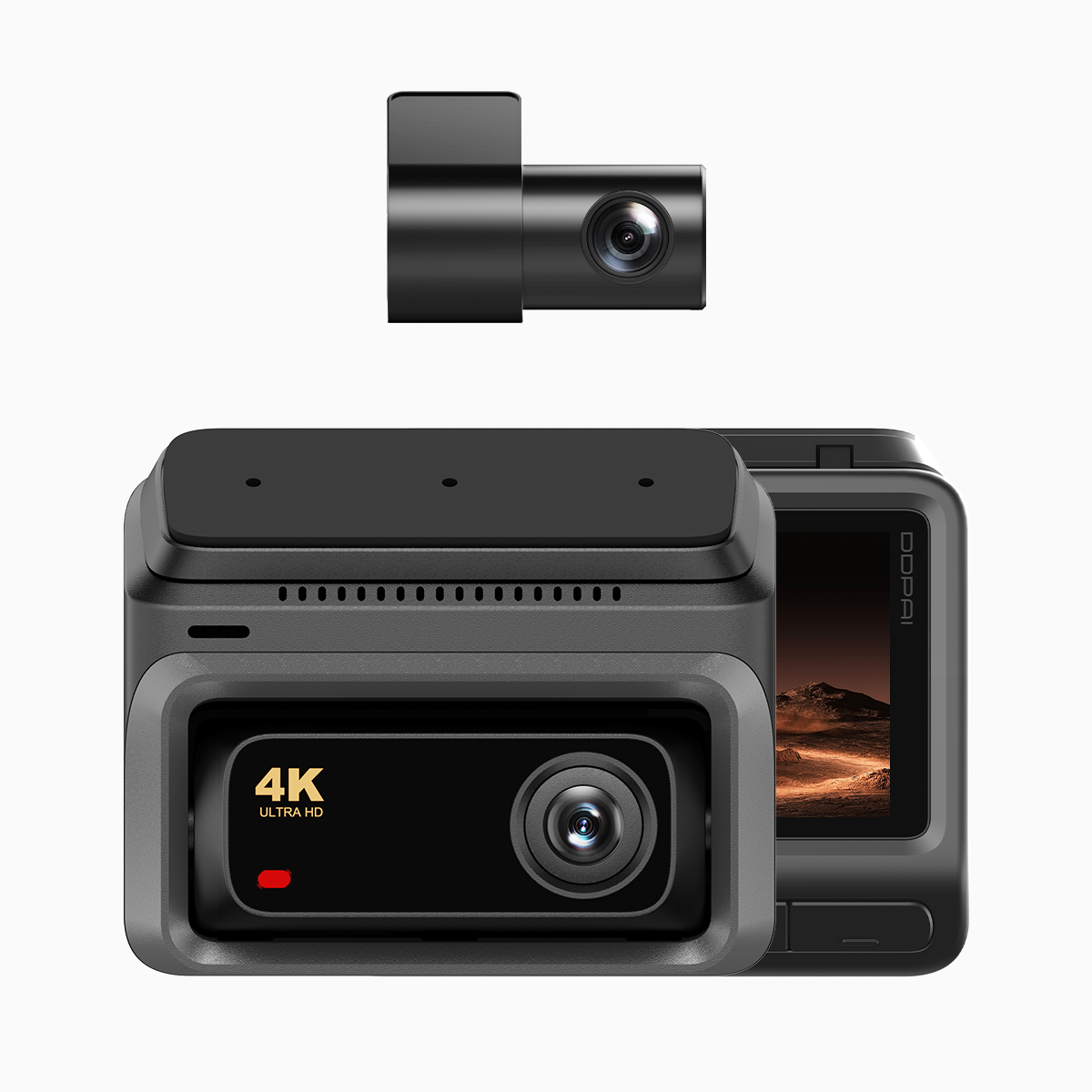
Comparative insight: why the trio matters for fleets
Choosing a bulk mini dash cam means balancing image quality, connectivity, and physical design. Start with clear priorities: are you buying for evidence capture, driver coaching, or theft deterrence? In busy corridors like EDSA in Metro Manila, visibility and remote access matter day and night. A reliable 4g dash cam that pairs 4G LTE connectivity with solid resolution reduces downtime and gives operations teams a live view without sending someone into traffic.
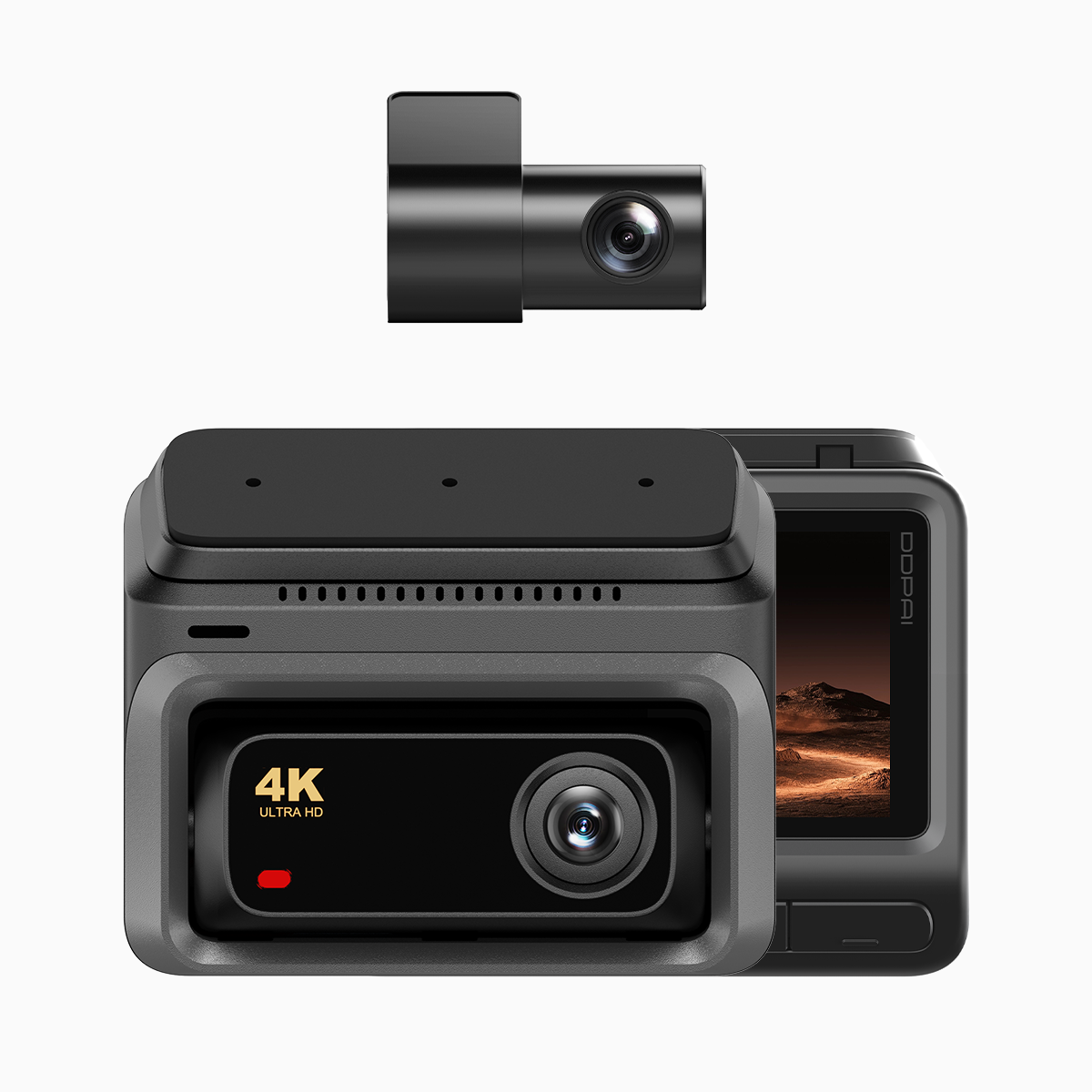
Resolution vs. bitrate vs. frame rate — the trade-offs
Higher resolution captures more detail, but it increases storage needs and demands higher bitrate. For most fleet work, 1440p to 4K is useful for reading plate numbers at range; aim for a sensible frame rate—30 fps is typical for smooth motion in urban driving. Consider WDR (wide dynamic range) if you often record scenes with stark light contrasts. Resolution, bitrate, and frame rate interact: pushing one without the others wastes bandwidth or disk space.
App connectivity and cloud features that change operations
App integration moves a dash cam from evidence storage to proactive management. Features to prioritize: remote live view, OTA (over-the-air) firmware updates, and cloud upload for critical clips. GPS logging combined with cloud timestamps simplifies incident verification and route auditing. For fleets operating across regions, 4G LTE support ensures cameras maintain a connection when Wi‑Fi isn’t available — that consistency is what turns raw footage into actionable insight.
Form factor: mounting, discreetness, and durability
Mini units win on discreet mounting and lower visual clutter, which reduces tampering and driver distraction. Look for models with secure brackets, vibration-resistant housings, and thermal tolerance for hot dashboards. Cable routing and ease of installation affect labor costs when buying in bulk — bulk purchases benefit from a design that installs in under 20 minutes per vehicle. Also check loop recording behavior and how the unit handles power interruptions; these are small design details that matter in operational uptime.
Comparative checklist for bulk selection
To simplify procurement, compare candidates across a few consistent axes:
– Image quality: target resolution, fps, and WDR performance.
– Connectivity: 4G LTE stability, app UX, and cloud upload policies.
– Storage strategy: local SD support, clip overwrite, and encryption.
– Installability: mounting options, cable length, and power management.
– Support: warranty, OTA updates, and local service availability — these cut long-term risk.
Common mistakes fleets make — and how to avoid them
Buyers often equate higher megapixels with better proof. That’s flawed logic. Without adequate bitrate and correct frame rate, high resolution produces compressed blur. Another frequent error: ignoring mobile data costs—continuous cloud upload can balloon monthly bills. Test real-world throughput; run a trial on typical urban routes. Also, don’t skip firmware checks—vendors who provide regular OTA patches reduce security and stability problems, which matter more than a fancy app dashboard. —Remember to budget for SIM plans and consider conditional upload (only critical clips) to manage data spend.
Practical procurement metrics — three golden rules
When sizing and selecting devices for bulk purchase, use these evaluation metrics:
1) Evidence ratio: the percentage of recorded incidents where plate legibility and timestamp accuracy meet your legal requirements. Aim for ≥90% in local conditions.
2) Uptime score: measure how often devices maintain a stable 4G connection and complete scheduled uploads; target >95% monthly uptime.
3) Total cost of ownership (TCO): combine device price, installation labor, SIM/data fees, and expected replacement over three years to compare offerings accurately.
Why a focused vendor presence matters
Choosing hardware that’s supported locally shortens repair cycles and simplifies warranty claims. Field-tested units that combine robust app connectivity, sensible form factor, and managed cloud options are the pragmatic choice for fleets operating in high-traffic urban environments. Practical experience from fleet pilots shows that consistency beats headline specs — steady 4G performance and clear firmware support save time and money in the long run. Real-world trials on Manila routes highlighted how GPS logging and cloud clip retrieval resolved disputes faster than manual evidence collection.
Final assessment and next steps
Use the three golden rules to filter candidates, run a small fleet pilot, and track uptime and evidence ratio closely. A vendor that delivers reliable hardware, regular firmware updates, and local support becomes an operational partner rather than a supplier. For fleets seeking a balanced mix of resolution, connectivity, and install-friendly form factor, consider solutions from credible local channels — 4g dash camera models often match these needs. Evaluate against the metrics above, then scale with confidence. DDPAI Philippines. –
