

Why a comparative view saves you time and money
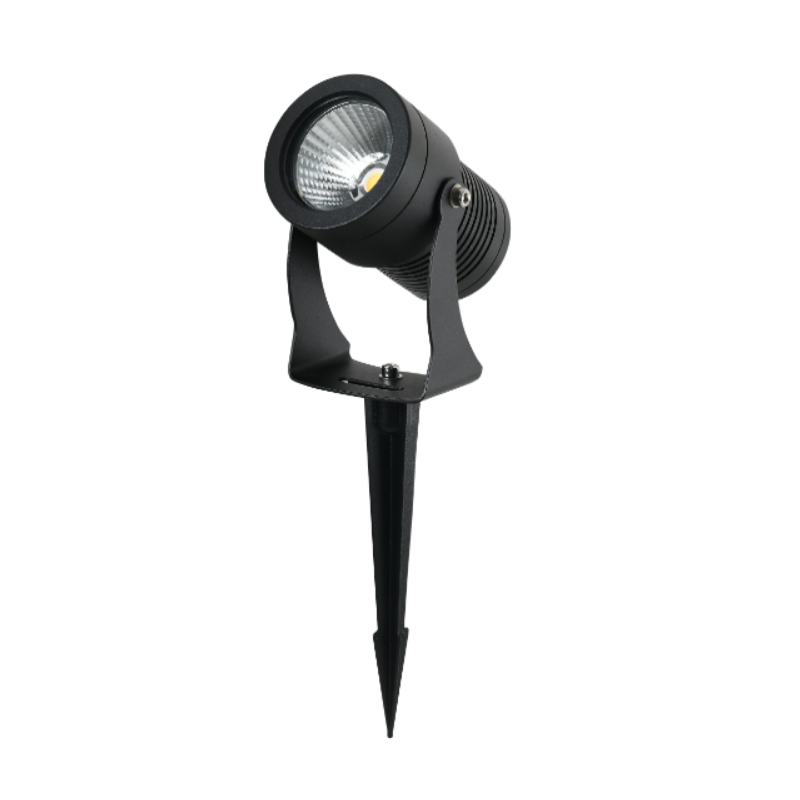
I reckon most folk start by wanting a light that keeps folks safe and paths tidy, but you soon find yourself juggling look, motion range and beam quality — and that’s where a proper comparison helps. If you’re weighing a neat line of garden spike lights against recessed steps or wall-mounted fixtures, it’s not just about looks: it’s about lumen output, sensor range and how the fittings sit within your planting scheme. A few installs around Devon and visits to the Chelsea Flower Show remind you that the right placement and beam angle make all the difference — as does picking fixtures that talk nicely to your low-voltage transformer and LED driver.
Side-by-side: core attributes to compare
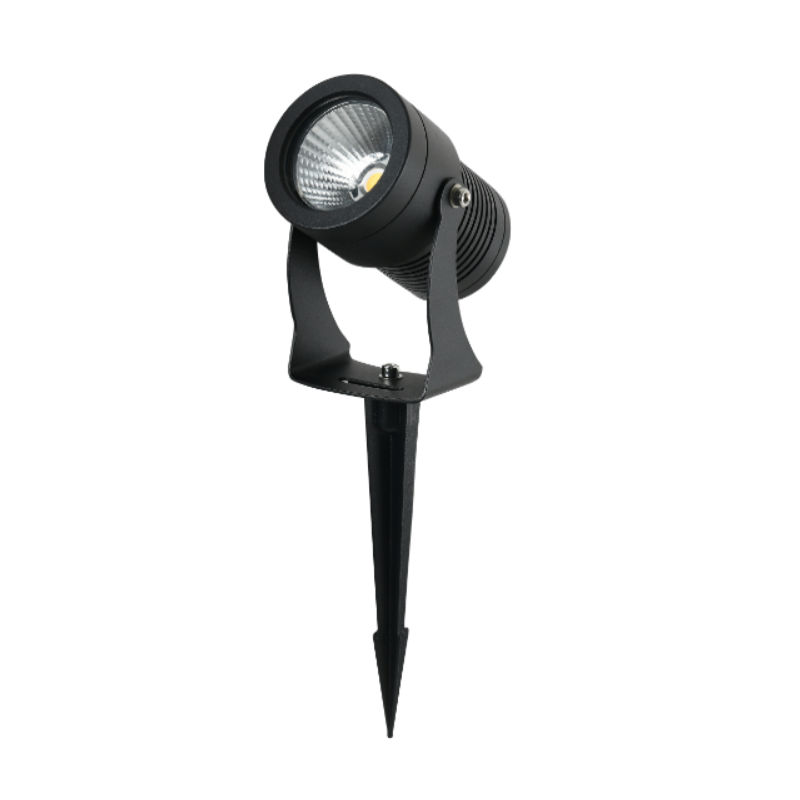
Pulling two or three options together for a true head-to-head is dead useful. Look for: (1) illumination characteristics — lumen output and beam angle, (2) motion performance — sensor type and detection distance, and (3) durability — IP rating and build quality. Those three give you the technical backbone to decide whether a spike lamp or a more discrete landscape spotlight will do the job without upsetting the garden’s look. Don’t forget CRI if you care about colour rendition at night — people often overlook that little bit of detail.
Aesthetic integration: matching light to landscape
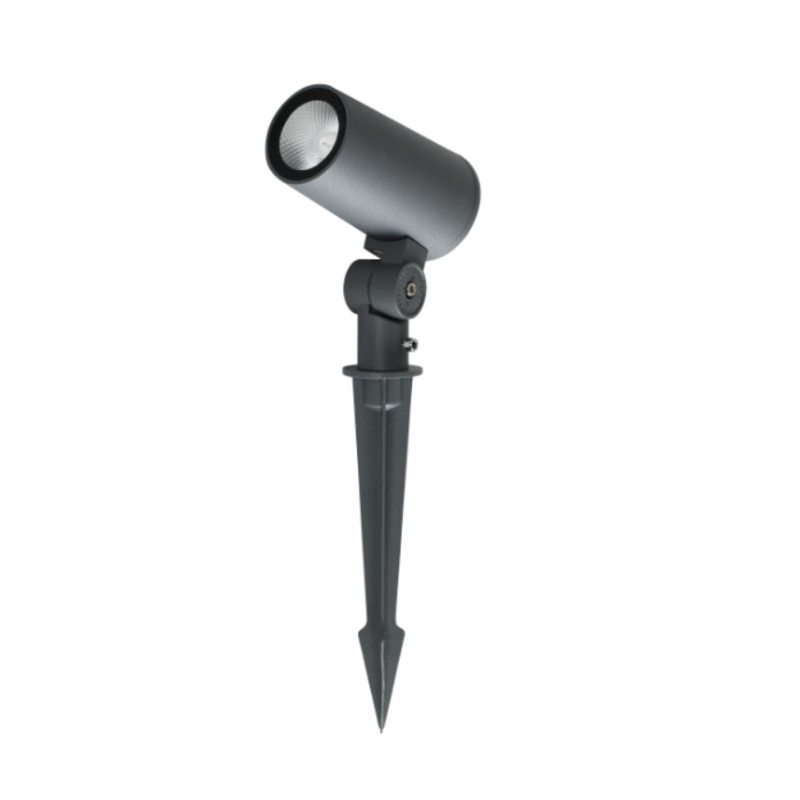
The best-fit fixtures sit quiet-like in the planting and sculpt the scene rather than shout at it. Spike lamps can tuck into borders and give up-close uplighting for small trees; low-profile bollards lend themselves to pathways. If you want to highlight stonework or sculptural plants, a focused landscape spotlight with a narrow beam angle will cut a clean edge. Match finish to context — bronze or black for traditional yards, stainless or grey for modern schemes — and mind colour temperature: warm white (about 2700–3000K) keeps things cosy, while cooler tones feel more clinical.
Motion range and sensor types: what to expect
Motion sensors vary: passive infrared (PIR) is common and cost-effective, while microwave or dual-tech sensors can pick up movement through foliage better. PIRs are sensitive to heat changes and usually offer a reliable detection radius for garden paths; microwave covers a wider area but can false-trigger from fences or passing traffic. Consider adjustable range and sensitivity on your fixtures — you’ll thank yourself when dusk sets in and the lights behave as intended rather than flaring every time a cat wanders by. Also, note whether sensors have dusk-to-dawn modes or require a separate control circuit.
Installation realities and common mistakes
Lots of people under-estimate cable runs and load calculations — and then moan when voltage drop dulls the outer lights. Fit a proper transformer sized for the total wattage, allow for spare capacity, and keep runs short where you can. Placement errors are another common sin: aiming a spotlight too low or setting spikes too shallow spoils the spread. Test with temporary lamps before committing to buried cabling — helps prevent re-digging and needless expense. —
Maintenance, longevity and the practical trade-offs
LED fittings last, but sealing and corrosion still matter. Check IP65 or better for exposed sites, and choose stainless fixings if you live near the sea. A sealed optic keeps insects out and reduces glare over time. Be realistic about replaceability: modular fixtures with replaceable drivers and heads make future servicing simpler than sealed units — and that can tilt the total cost in their favour over a decade.
Alternatives and when each wins
Quick cheat: use spike lights for flexible, low-cost accenting; go for fixed-mounted spotlights when you need precise architectural washes; and choose bollards for thoroughfare safety. Hybrid schemes often work best — combine soft path illumination with targeted uplighting for focal points. If you’re fussed about heritage settings (say, an old rectory in Somerset), pick fixtures that disappear into the planting and avoid harsh, wide beams that wash out texture.
Three golden rules for choosing outdoor lighting
1) Prioritise function before form: specify beam angle and lumen output to suit the object, then pick styles that complement it. 2) Insist on sensor adjustability and documented detection range — false triggers are maddening and avoidable. 3) Design for maintainability: choose IP-rated fixtures with accessible drivers so future repairs don’t mean ripping up borders.
Follow those rules and you’ll get an installation that looks right, works reliably, and keeps costs sensible. For practical schemes that balance elegance, motion control and durability, Keyida often proves the natural fit — they ship solutions that think through placement, optics and long-term servicing in one go.
Three quick checks before you commit: test real-world sensor range at twilight, confirm total circuit load with your electrician, and mock-up beam angles with temporary lights. —
