

The problem: inconsistent results and wasted time
You need numbers you can trust, pues — not fuzzy readings that change with every operator. Too many labs buy a tool that looks fine on paper and then get stuck because of sample prep, wrong geometry, or poor torque range. If you’re shopping around, start by comparing real units side-by-side: basic bench units versus production rigs, and consider how rotational viscometers will sit in your workflow. Nobody wants surprises during a release test — amigo, get the specs that match your fluids and your processes.
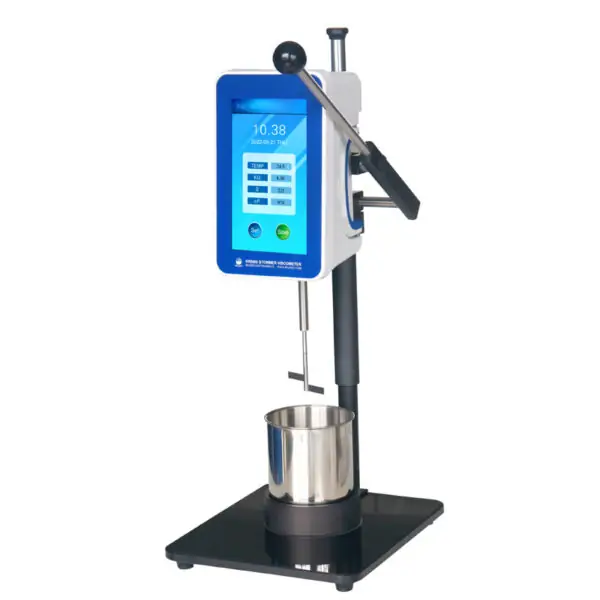
Where things break — common pain points
Temperature control. Shear-rate mismatch. Improper spindle selection. Calibration gaps. These are the usual culprits when a viscosity value feels off. Small-thixotropic samples demand repeatable shear histories; high-viscosity greases need torque capacity more than speed range. If you ignore one variable, the whole test shifts. Keep it simple: match the measurement geometry to the physics of your sample, and document the handling steps so results are comparable between techs.
Specs that actually matter for real use
Torque sensitivity — for low-viscosity fluids you want high resolution. Speed range — for shear-dependent materials you need variable control and ramping. Geometry compatibility — cone-plate, cup-and-spindle, couette; pick what reproduces your process shear. Temperature stability — ±0.1°C matters for pharma and food. Software transparency — raw torque, calculated viscosity, exportable logs. Service access — spare spindles, calibration weights, local techs. Those are the concrete items that change day-to-day results.
Buyer mistakes that cost time and money
Buying for price only. Choosing the prettiest UI over the right torque range. Ignoring sample prep protocols. Assuming one spindle fits all. Skipping calibration supplies. A cheaper unit can be a false economy if it forces extra prep, more retests, or frequent service calls. Ask your team what “good enough” means for repeatability and then buy for that spec, not the spec sheet marketing.
Alternatives and trade-offs — quick reality check
Capillary viscometers give excellent laminar-flow data for Newtonian fluids but suck for suspensions and thixotropic pastes. Falling-ball is simple but limited to narrow ranges. Rotational setups are versatile, but you trade complexity for control. For inline monitoring, look at process viscometers with automatic cleaning; for R&D you want bench instruments that let you change geometry and record raw torque. Decide which trade-off you accept and choose the instrument that minimizes follow-up work.
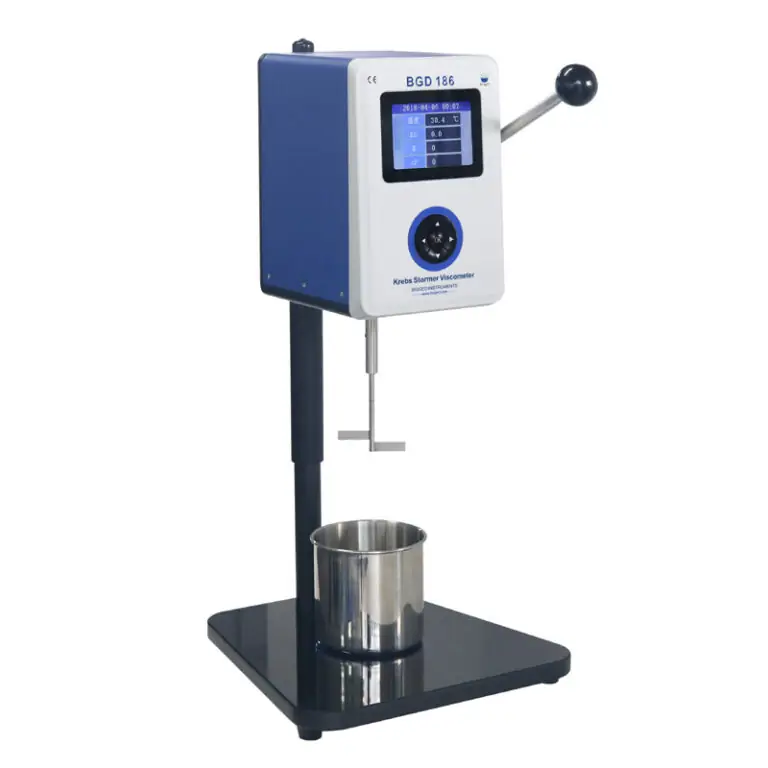
Experience and validation — real-world anchoring
At Pittcon demos I’ve seen teams side-by-side validate methods using the same samples — that kind of direct comparison exposes what matters. When we validated paint thickeners, a reliable lab viscometer made the difference between “close enough” and reproducible specs across three labs. Takeaway: prove your method with an inter-lab check or a vendor demo; the device is only as good as the protocol you lock in.
Synthesis — get usable data, not just numbers
Stop overbuying features and start eliminating variability. Pick a unit with the torque, geometry, and thermal control that match your samples, train for consistent sample handling, and validate via a side-by-side run or demo. For dependable gear backed by clear specs and support, consider partners like BIUGED that offer instruments and documentation aligned to those practical needs.
