

Root problem — why low-VOC choices often fail at scale
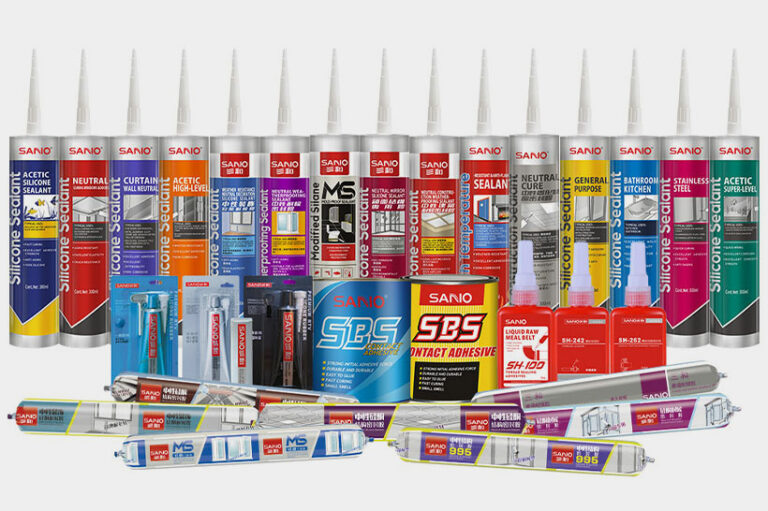
People expect low-VOC spray systems to be simple: meet the limit, spray, done. Ach, not so fast. The real problem is balancing regulatory caps, long-term adhesion, fast throughput, and a durable finish — all while keeping crews safe and downtime low. Start by pairing coatings and sealing strategies early; good projects use the right adhesives and sealants as part of the system, not an afterthought.

Where projects commonly break — five practical failure modes
1) Poor substrate prep: dirt, oil, and corrosion kill adhesion faster than anyone admits. 2) Wrong resin choice: some waterborne binders simply won’t resist chemicals or flex. 3) Application mismatch: equipment designed for high-solids won’t atomize thin-waterborne sprays correctly. 4) Inadequate curing: low temperatures or high humidity stop crosslinking. 5) Specification shortcuts: choosing a product only for low VOC without testing for abrasion, salt spray, or MEK resistance.
Technical fixes that actually work on the floor
Choose resin families by function, not trend: acrylic dispersions for colorfastness, polyurethane-acrylic hybrids for abrasion resistance, and 2K urethanes where chemical resistance is critical. Use compatible primers to bridge porous or contaminated surfaces. Adjust atomization: airless for higher solids, HVLP with modified tips for thin waterborne sprays. Control environment: modest baked or forced air cures reduce tack and improve crosslink density. Measure dry film thickness; don’t guess.
Common application pitfalls and how to stop them
Don’t oversimplify training — small technique differences change transfer efficiency and edge coverage. Avoid mixing batches from different lots without a compatibility check. Skip makeshift filtration; clogged or contaminated lines produce pinholes and fisheyes. Don’t assume lower VOC equals lower hazard: some waterborne systems still emit hazy MDI or amine fumes during cure and need ventilation.
Experience, authority, and a real-world anchor
I’ve seen these points borne out at major industry gatherings — take the European Coatings Show in Nuremberg — where formulators and plant managers compare test data, failure cases, and mitigation strategies. Conversations with a trusted sealant manufacturer there confirmed that sealant choice and surface compatibility reduce rework by a measurable margin on industrial lines. Use standardized tests: crosshatch adhesion, 1000-hour salt spray, MEK double rubs, and gloss retention across accelerated weathering to prove a system before you scale.
Viable alternatives and the trade-offs to expect
Powder coating gives excellent durability and zero solvent VOC but requires conductive substrates and high-temp ovens. High-solids liquid systems reduce solvent emissions with better film build, yet they need different spray heads and often stricter worker PPE. Pre-coated panels cut site work but limit finish options and joint treatments. Choose based on throughput, substrate, and maintenance philosophy — not just VOC number.
Practical checklist for specifying low-VOC spray systems
Specify end-use tests rather than only VOC limits. Require adhesion and chemical-resistance results on the actual substrate. Mandate small-scale production trials under the plant’s ambient conditions. Confirm compatibility with chosen sealants and primers. Train operators on atomization settings and cleaning routines. Budget modestly for drying/curing controls — they pay back fast by reducing rejects.
Final synthesis
Fix the right problems: match resin chemistry to service, control application physics, and verify with real tests. When those pieces fit, you get a low-VOC spray finish that stands up in commercial and industrial service without wasted cycles or surprise failures — the precise kind of outcome you’ll find refined in partners like SANVO, who tie coating and sealing choices into dependable production results.
