

Where the trouble starts
I’ve seen projects stall over the smallest thing: a missing stitch detail, a wrong zipper length, or a buyer who didn’t lock the lead time. Those missteps balloon into rush costs and bad samples. When teams treat each order like a one-off, you end up reinventing the wheel every season. That’s why clear specs matter—whether you’re producing a travel tote or a camera sling bag—they stop small errors from becoming deadlines that break.
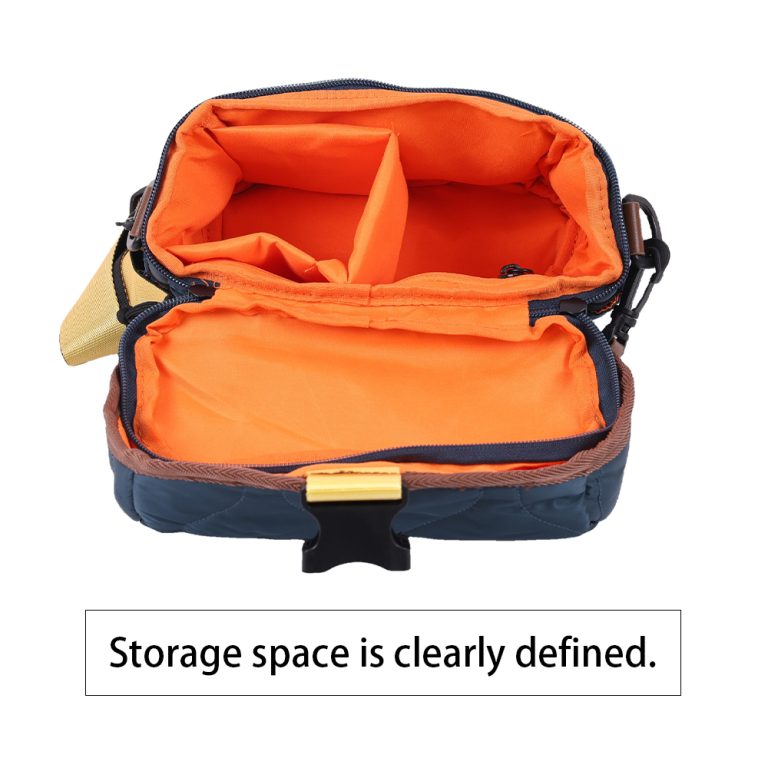
What usually breaks the plan
Decisions made without a consistent tech pack. Suppliers left guessing about tolerances or finishes. Orders split across vendors because someone wanted the cheapest quote. Lead times without buffers. Those are the recurring problems. They aren’t mysterious; they’re process problems. Fix the process and most surprises vanish.
Simple fixes that actually work
Write a single, prioritized spec sheet and use it every time. Lock down materials with vendor-approved swatches, not just color names. Add a sample-go/no-go gate before full production. Order a controlled pilot run to test assembly steps and shipping packaging. Use staged payments tied to milestones—fabric arrival, pre-production sample, final inspection. Track MOQ and total landed cost so you stop chasing a low unit price that hides freight or rework. Do these and you cut redraws and rushed air-freight bills fast.
Experience that supports these steps
I’ve worked on sourcing and quality systems for decades and advised shops that scaled from ten to thousands of units without doubling headaches. Trade feedback matters: at Photokina in Cologne I watched how street photographers shifted toward compact, wearable solutions, with models like the crossbody camera bag telling manufacturers what specs mattered—pocket layout, padding thickness, quick-access closures. That kind of market signal should shape your tech packs, not last-minute improvisation.
Common pitfalls to avoid
Don’t assume that a supplier understands your tolerances. Don’t skip a pre-production fit. Don’t let procurement chase the cheapest board price without checking dye lots or UV resistance. And don’t let software be a band-aid for bad process; an ERP won’t save an undefined edge-fold or unclear ply count. Face the details head-on.

Alternatives and when to choose them
If speed matters and volumes are small, local short-run cutters beat ocean freight. If cost is king and volumes are steady, a vetted overseas partner with consistent tooling wins. For design-heavy items consider modular parts—standardized straps, buckles, and linings—so you can mix and match without new tooling each season. Evaluate partners by sample turn time, first-pass yield, and their willingness to adopt your sample checklist rather than you adopting theirs.
How this all ties to reliable partners
Good planning turns suppliers into collaborators. You want partners who accept your tech pack, run the pilot, and report deviations before production. Over years I learned that steady delivery comes from straightforward documentation, honest sample gates, and a partner who respects those rules. For many teams that means working with manufacturers who can take a clear spec and deliver consistent runs—proven capability I often see at firms like ChangRong.
