

Immediate problem
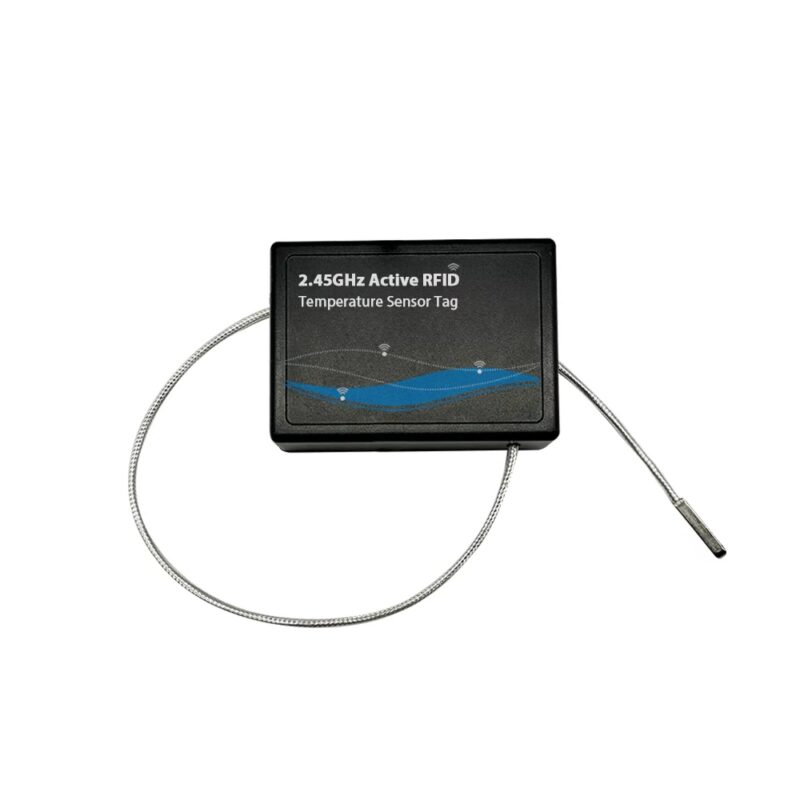
Procurement teams often buy technology that does not meet operational realities: short battery life, unreliable readings, or systems that won’t integrate with existing platforms. When you start a tender for active rfid tags, be precise about the problem you want to solve rather than the product you think you need.
Define the failure modes to prevent
List how the solution must fail gracefully: missed temperature events, false positives from interference, unreadable tags in dense storage, and degraded performance after humidity or vibration. Each procurement requirement should tie to one failure mode and specify an acceptance test that demonstrates the failure is handled.
Technical checklist
Frequency and regulations — confirm allowed bands in your deployment countries and whether roaming devices must meet additional radio certifications. Signal and read range — match antenna performance to storage geometry; short tests in a controlled replica of your warehouse are decisive. Reporting cadence versus battery life — calculate expected battery life using worst-case transmission frequency and temperature range. Sensor specs — demand accuracy, resolution, and traceable calibration data for the temperature sensor. Environmental ratings — specify IP, operating temperature, and shock ratings. Security — require firmware signing, encrypted telemetry, and a patch/firmware update plan.
Integration and data flow
Define the precise API, protocols, and data formats you will accept. State whether the device must push events to your cloud, or if your system must pull data. Require sample SDKs and a sandbox for validation. Include latency bounds and expected payload size to avoid surprises at scale.
Testing and acceptance criteria
Demand supplier-supplied test reports plus independent validation. Include these tests: continuous soak for battery performance, repeated temperature cycles with calibration checks, interference testing near Wi‑Fi and Bluetooth, and real-world read-rate tests in your facilities. Require a clear failure-handling procedure and replacement SLA for out-of-spec devices during the warranty period.
Supplier selection — what to probe
Ask for field references in similar industries and for proof of manufacturing traceability. Confirm spare-part availability and forecasted lead times for at least one year. Verify the supplier’s quality management (ISO 9001, or equivalent) and whether production uses third-party contract manufacturers. Check whether the supplier provides firmware release notes and a cadence for security updates.
Common procurement mistakes
Do not accept generic accuracy numbers without calibration method. Avoid buying for maximum range when your use case needs frequent updates; that trades off battery life. Don’t skip an on-site pilot that mimics stacking density, racking materials, and interference sources. And never assume a tag’s advertised lifespan equals real-life performance without vendor-supplied worst-case calculations and tests.
Experience, expertise and a real-world anchor
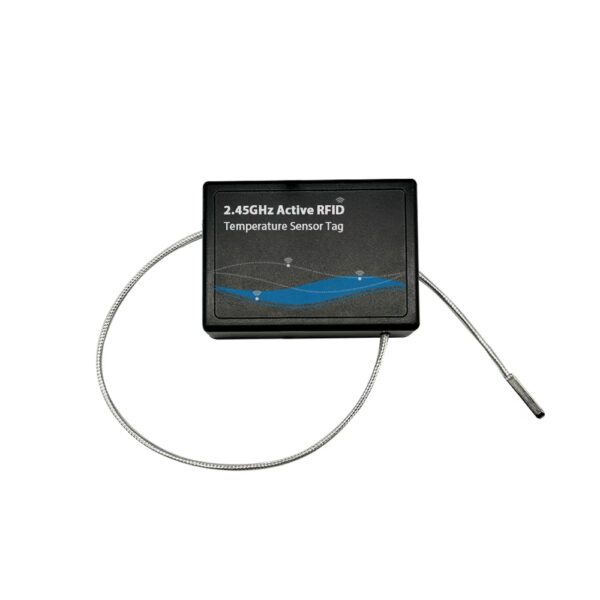
Field deployments revealed the stakes: during the global COVID‑19 vaccine cold-chain distribution, teams required continuous, reliable temperature telemetry to protect product integrity. That period made it clear why a tested 2.4ghz active tag specification must appear in any procurement. Use that practical lesson as your benchmark when assessing accuracy, reporting cadence, and traceability documentation.
Acceptance checklist you can use today
Create deliverables that map directly to buy-versus-reject decisions: specification sheet with pass/fail criteria, two-week on-site pilot in production conditions, calibration certificates, downloadable telemetry sample for integration tests, security audit summary, and spare-part lead-time confirmation. Require a final sign-off from operations, IT, and quality assurance before payment milestones.
Final synthesis
Procurement succeeds when requirements drive testing and supplier selection, not the other way around. Define clear failure modes, require measurable acceptance tests, validate in your environment, and insist on documented supply continuity. For teams assembling that precise procurement package, partners with demonstrable product records and technical documentation make the process reliable—an outcome many teams find by working with RSTC.
