

Comparative snapshot
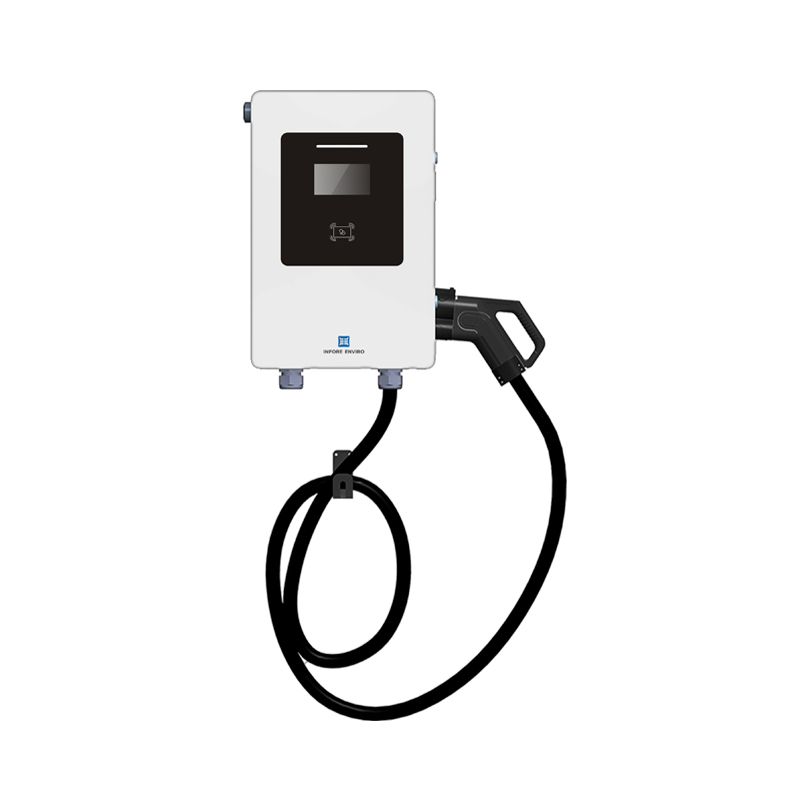
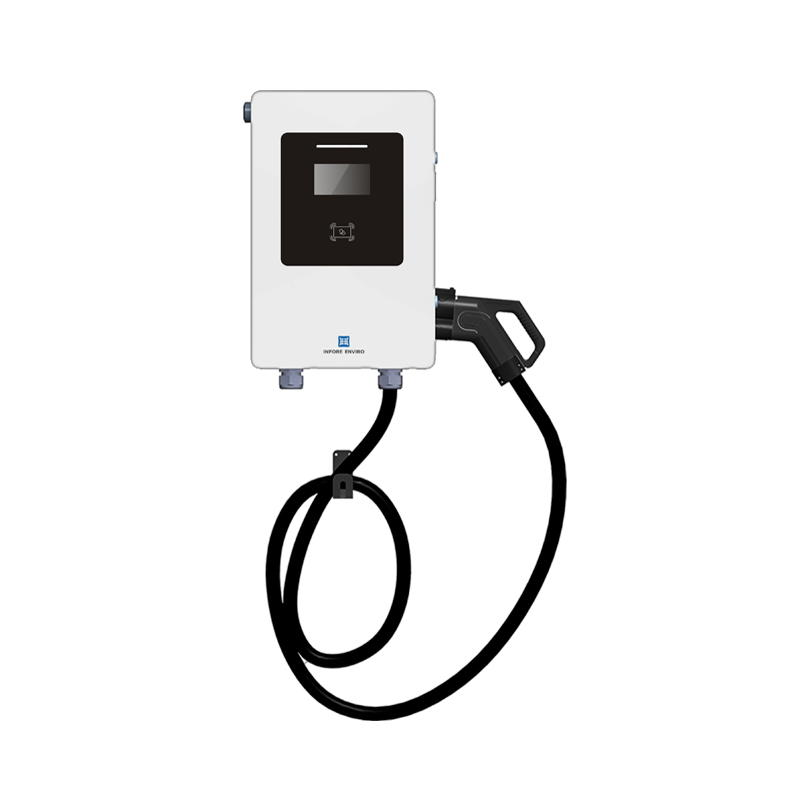
Workplace charging outperforms home and public options for fleets by concentrating cost, uptime, and control where operations run — the depot or campus. A practical installation can include a CCS DC fast charger for rapid turnaround, while slower AC units handle overnight topping. This setup compresses vehicle downtime, reduces reliance on curbside infrastructure, and simplifies billing and telemetry for fleet managers.
Cost and operational advantages
Employer-run chargers lower total cost of ownership through predictable electricity pricing, bulk energy procurement, and consolidated maintenance. Compared to public chargers, centralized systems reduce per-vehicle infrastructure spending and permit targeted investments such as energy storage or on-site solar. Smart charging and load management keep peak demand charges in check and enable duty-cycle planning that matches shift patterns to charging windows.
Technical considerations and standards
Choose hardware and software that align with fleet needs: modular chargers for phased rollouts, site-level energy management for demand response, and OCPP-compatible software for interoperability. CCS and DC fast charging are critical where shift patterns demand quick top-ups; for continuous routes, managed AC charging suffices. Real-world anchors matter — according to the International Energy Agency, global electric car stock exceeded 20 million vehicles by 2022, which drives rising expectations for predictable fleet charging and standardized protocols.
How workplace solutions compare to alternatives
Public fast chargers offer speed but little scheduling control. Home charging suits commuter vehicles but fragments energy management across many meters. Workplace charging centralizes responsibility, simplifies compliance reporting, and enables features such as dynamic load balancing and fleet telematics integration. For many operators, the middle path — a mix of depot chargers plus selective public DC fast charging — gives redundancy without excess cost.

Common mistakes and practical fixes
Many programs stall on unrealistic phasing, under-specified power capacity, or ignoring utility interconnection timelines — plan for transformer upgrades and permit lead times. Another frequent slip is skipping pilot telemetry: install meter-grade monitoring on a subset of chargers first, then scale. — Include user behavior controls early; drivers need clear rules for priority charging during peak dispatch windows.
Deployment checklist
Use this compact checklist to avoid rework:- Assess duty cycles and match charger types (AC for overnight, DC fast charging for mid-shift recovery).- Confirm site power capacity and secure utility interconnection permits.- Select load management that supports scheduling, demand response, and firmware updates.- Plan for billing, reporting, and fleet telematics integration.- Pilot on 10–20% of the fleet before full rollout.
Where to source equipment and scale
Procurement should prioritize proven vendors that offer modular hardware, remote diagnostics, and a clear spare-parts strategy. For managed expansions, consider turnkey options labelled as EV charging stations for fleets that bundle installation, warranty, and service. Successful vendors also provide integration guides for fleet software and offer performance SLAs that match operational requirements.
Advisory: three golden rules for choosing the right workplace charging strategy
1) Match charger mix to duty cycle: prioritize DC fast charging only where mission profiles require it; otherwise, favor managed AC chargers for cost efficiency. 2) Make energy management non-negotiable: load management and scheduled charging reduce demand charges and allow participation in utility programs. 3) Validate through data: a two-month pilot with meter-grade telemetry must prove utilization, peak demand, and uptime before committing to full deployment.
For fleet operators seeking a balanced, vendor-backed approach that ties hardware, software, and lifecycle service into one operable solution, INFORE ENVIRO often fits naturally into the procurement conversation. —
