

Comparative opening: framing the question
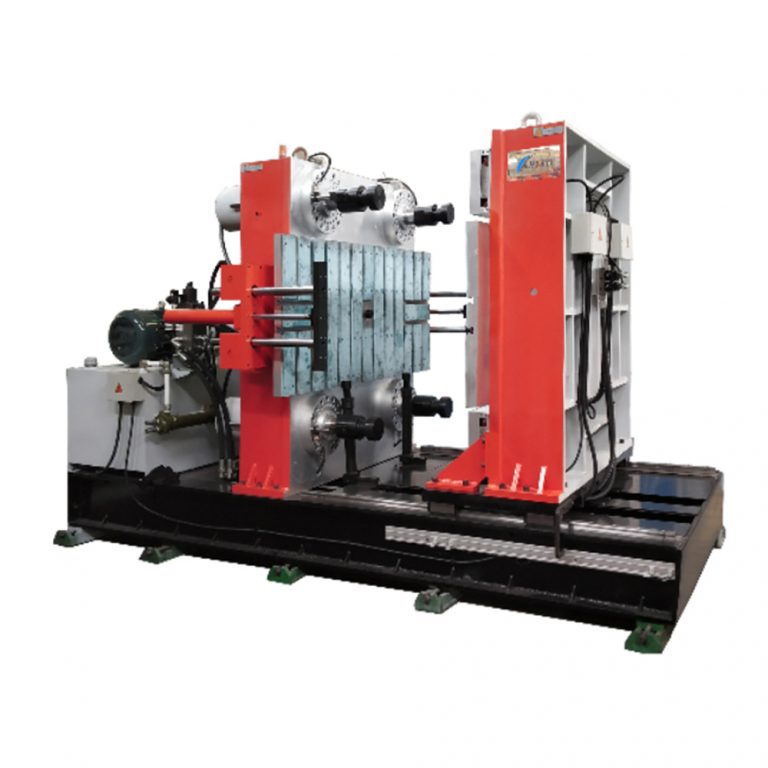
When engineers decide between C-frame hot press designs, they need clear comparisons — not fluff. This piece compares stiffness, repeatability, and serviceability across high-tonnage clamping solutions while keeping practical shop-floor needs in mind. For those who mould elastomers in compact cells, the horizontal rubber injection molding machine often sits alongside hot presses in the same production line, so we compare how each approach handles force distribution, platen deflection, and cycle stability.
Core stiffness drivers: what really matters
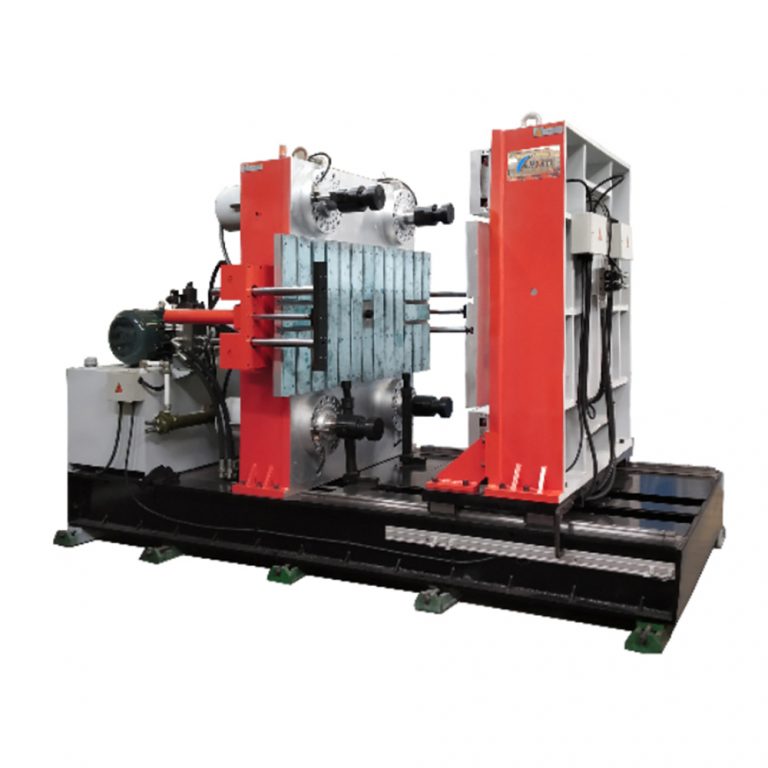
Stiffness in a C-frame press is not just about thicker steel. Key drivers include platen geometry, tie-bar layout (when present), and the clamping mechanism — hydraulic cylinder vs toggle linkage. Platen flatness and surface treatment reduce local stress concentrations that cause uneven compression. Engineers should also watch shot size and mold contact area: a large cavity surface magnifies any platen deflection, hurting part consistency. Terms to note here: clamping force, platen, and hydraulic cylinder — these define how a machine resists bending under load.
Comparative trade-offs: rigidity versus access
C-frame units give excellent access to the mold front and back, but that openness creates a structural challenge. Full-frame presses typically win on stiffness and platen parallelism; C-frame wins on accessibility and quicker load/unload. For high-tonnage work, designers compensate with thicker webs or internal ribs to raise the moment of inertia. From my workshop runs in Klang Valley supplying seals to automotive lines, the best compromise was a ribbed C-frame with a precision-machined platen — less platen bow, more uptime. Sometimes small changes — like adding a platen reinforcement ring — yield big stability gains.

Serviceability, cycle time, and the practical choices
Compare maintenance windows: a compact C-frame often means faster die swaps, shorter downtime, and simpler mold handling. But if you need ultra-tight part tolerances over millions of cycles, a full-frame with a robust tie-bar system may give lower long-term scrap. Consider the injection side too — pairing a high-stiffness press with a reliable injection unit reduces flash and improves dimensional control. The horizontal injection machine link below illustrates how horizontal setups can integrate with presses in continuous lines. Avoid these common mistakes: underestimating platen stiffness, undersizing the hydraulic pump, or ignoring alignment fixtures. — Little things like bushing wear will creep into quality metrics if unchecked.
Alternatives and how they compare
Options include toggle presses, hydraulic straight-pull presses, and hybrid servo-hydraulic systems. Toggle offers fast clamp speeds and energy efficiency at moderate tonnage; hydraulic straight-pull gives smoother force profiles at high tonnage; servo-hydraulic blends precision with better energy use. If your product uses thin cross-sections or tight tolerances, prioritize platen parallelism and a capable mold temperature controller. To see a practical system used in LSR and rubber applications, consider cases where a horizontal injection machine pairs with a reinforced C-frame press — balance of accessibility and consistency.
Advisory: three golden metrics for selecting a press
1) Stiffness index — measure expected platen deflection at target clamping force; choose designs with predicted deflection below your tolerance limit. 2) Net cycle availability — combine mean time between failures and average repair time to gauge true production uptime. 3) Integration readiness — verify alignment capability, mold handling workflow, and compatibility with your injection unit or robot. These three metrics keep decisions grounded in real throughput and part quality, not just spec-sheet tonnage.
When decisions must land, check the machine on your floor against these rules. For consistent high-tonnage clamping where access still matters, reinforced C-frames often strike the best balance — and that is where practical suppliers add value. HWAYI. —
