

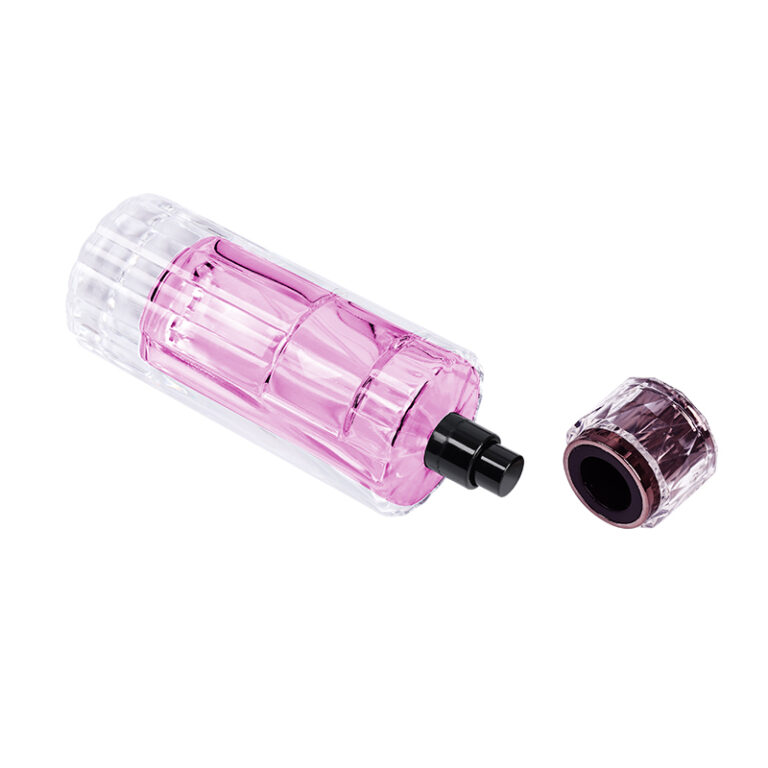
A Split-Second Shelf Test: Will Your Bottle Win?
Here’s the truth: seconds decide who sells. Teams that partner with china perfume bottle manufacturers feel this pressure every launch cycle (tight timelines, tighter margins). Picture a new scent hitting retail in Q4. The window is small. Early audits often show packaging causes a big share of missed dates, and shelf studies keep repeating one point: form and finish push the first grab. Yet breakage, pump misfit, or print flaws can erase months of work—fast. You need clarity, not noise. Can the bottle take a drop test? Will the atomizer seat right? Is the color stable under UV lights? These are training-day questions for your brand muscles. So breathe. Focus. Ask what moves the needle today, not someday. The right supplier play keeps your launch lean and your spend smart. Your story deserves a clean, consistent finish that looks sharp and ships on time. Ready to compare your options and see what really matters at line speed? Good. Let’s move with purpose to the next section.
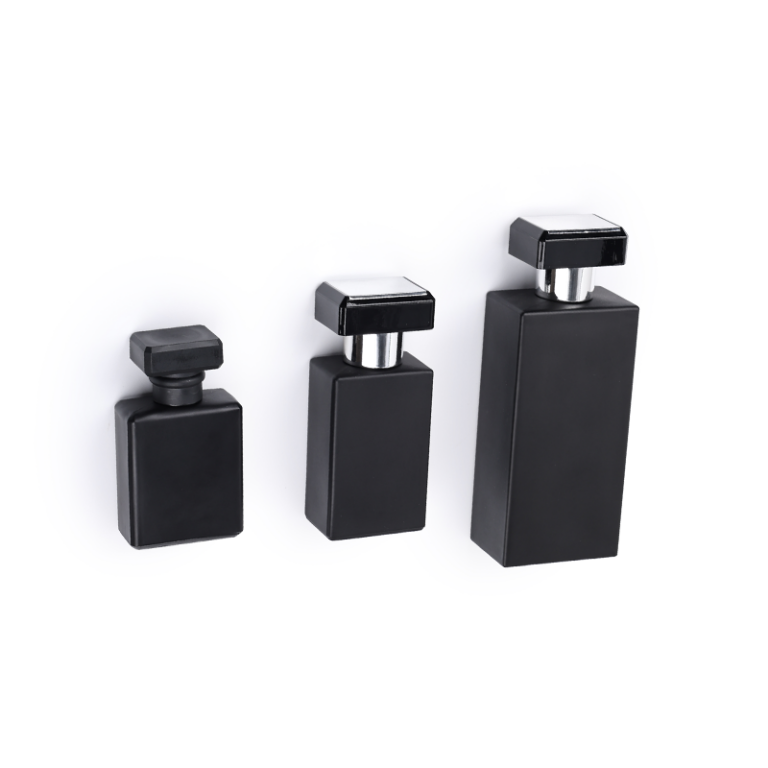
Under the Shine: The Pain Points You Miss with a Supplier
Where do the cracks start?
You shortlist a perfume bottles supplier, the sample arrives, and it looks fine at first glance. Then trial fill begins. Mold tolerance drifts by fractions, so the neck finish wobbles. The FEA crimp does not lock clean with the pump ferrule, and micro-gaps show up during crimping. Silk-screen printing smears at the shoulder radius, and UV lacquering pops tiny pinholes after curing. Each small variance stacks up on the line. Worse, supply chain latency turns a simple change into a 6-week wait, while MOQ pushes cash into inventory you do not need. Without lot traceability, you cannot isolate a bad annealing lehr cycle. One hiccup, and your Q4 turns into Q1—funny how that works, right?
Let’s go deeper, but keep it clear. Most failure modes hide upstream. Poor pump-bottle matching hits atomizer output and spray pattern. Low control on crimp profile triggers leaks during vibration. Incomplete frosting leaves edge chips that bloom after transit. And color control drifts when spray coating mixes are not held by SPC rules. Look, it’s simpler than you think: define the neck spec like a contract, demand real CPKs on key dimensions, and force pre-ship audits that include torque, drop, and seal tests. If the supplier cannot show data, you inherit the risk. That risk shows up at the shelf, and customers do not forgive spills.
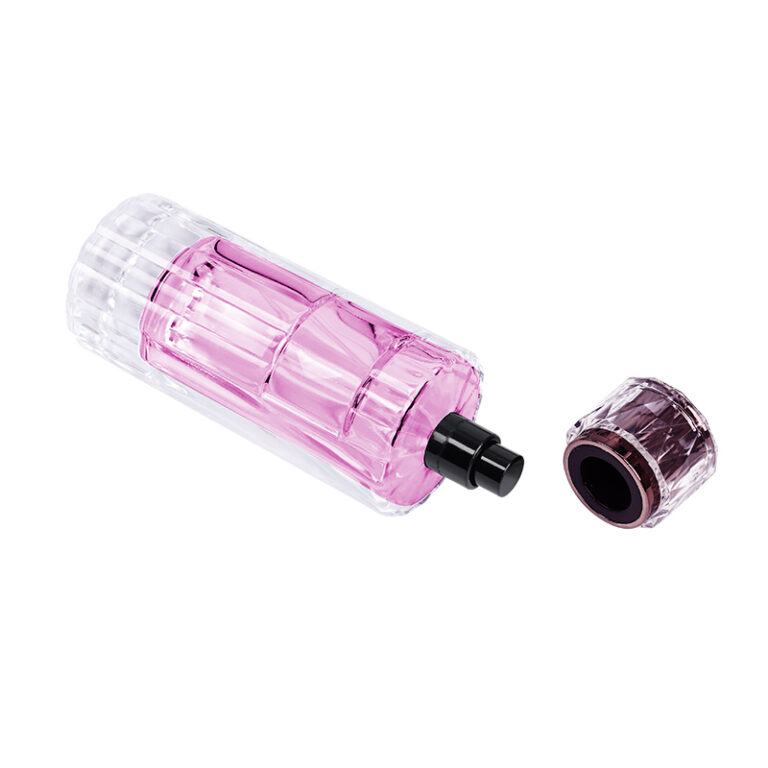
Comparative Outlook: New Tech Principles That Change the Equation
What’s Next
Now shift the lens forward. The new model blends process control with visibility. A modern perfume bottle factory runs digital mold twins to predict drift, inline vision systems to catch neck finish outliers, and SPC dashboards to guard silk-screen registration. Tooling swaps happen fast with modular inserts, so changes do not stall for weeks. EDI forecasts trim bullwhip effects; real-time audits cut rework. The payoff? Fewer leaks, tighter color delta, smoother crimp, and a calmer launch calendar. It is not magic—just disciplined controls that make breakage and re-labeling rare instead of routine (and your team can breathe again).
Here is how to decide with confidence. First, metrology: check CPK on neck bore, thread or FEA profile, and wall thickness, then verify with independent gauges. Second, durability: demand data on drop tests, torque retention, and seal integrity after thermal shock. Third, traceability: lot-level records tying glass batch, annealing lehr settings, and coating parameters to each pallet. Stack these metrics across suppliers and you will see the gap. The right choice looks obvious when the data lines up—and your launch plan does too. For steady execution and clear comparisons, keep learning with NAVI Packaging.
