

Introduction — a simple scene, a surprising stat, one big question
Ever watched a crew in a refinery swap a rusted bolt and thought, “That click could start a fire”? I have. A maintenance tech kneels in a dim corner, the air smells of solvent, and one wrong strike — bang — and sparks do their worst. The reality is that small sparks cause a lot more incidents than people expect: recent industry reports put preventable ignition events in the thousands each year (and yes — that number still makes my stomach drop).
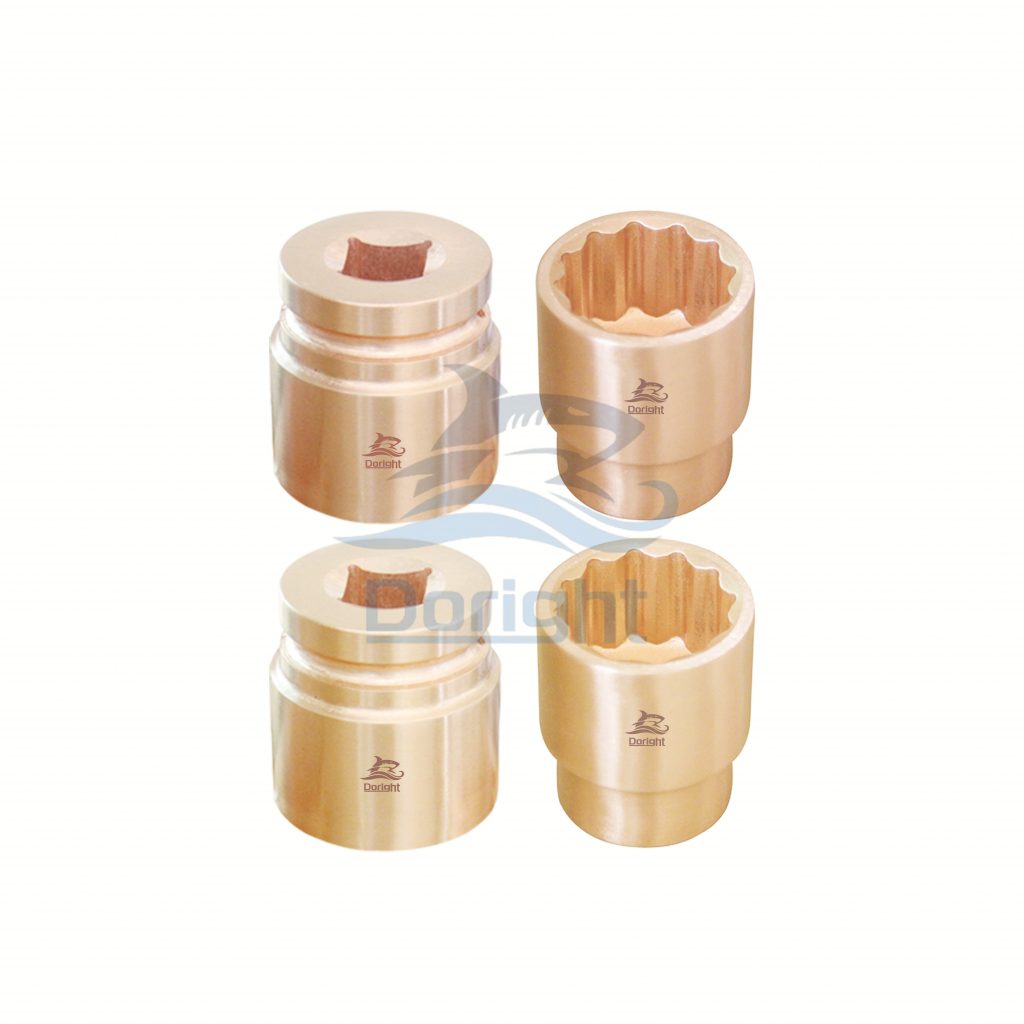
That’s why I keep bringing up copper non-sparking tools when we talk about safety gear. These tools lower spark energy and reduce static discharge risks during routine work in fuel-handling zones and chemical plants. But here’s the kicker: are we choosing the right tool for the real problems on site, or just what looks safer on paper?
I want to walk you through the real scene, the data that matters, and one practical question we all dodge: how do we stop near-misses from turning into disasters? Stick with me — I’ll get into the flaws and the better options next.
Why classic fixes fall short: the hidden cracks in traditional tool choices
Let’s be technical for a minute. Traditional non-sparking tools often rely on softer alloys or surface coatings to lower spark energy. That’s fine on paper. But in real work — where grit, torque, and repeated impact matter — those solutions wear down fast. I’ve seen tools that lose their protective layer after a handful of jobs. Then they behave like ordinary steel. That’s not a theoretical risk; it’s a measurable failure in hazardous area classification settings.
What exactly goes wrong?
First, many so-called non-sparking designs don’t account for static discharge pathways. Second, they ignore the cumulative wear from high-torque tasks. Third, the user experience — grip, balance, visibility — gets traded off for a “safe” alloy. Look, it’s simpler than you think: a tool that fails under stress or encourages compensating force from the user might increase danger, not reduce it. I worry when teams pick tools based on price or badge labels rather than on test data. Intrinsically safe design isn’t just a phrase; it needs proven durability and clear performance specs.
New principles and a forward-looking pick: building better non-sparking tools
Okay, now for the optimistic part. New design principles focus on materials science and practical ergonomics at the same time. Instead of one-off soft alloys, modern approaches combine layered copper-bronze blends with reinforced cores to keep spark energy below ignition thresholds even after heavy use. The idea is to design for lifecycle safety — not just first-use safety. That means thinking about corrosion resistance, torque transfer, and how a tool behaves after three months in the field.
What’s Next?
We’re also seeing hybrid strategies that pair these copper blends with real-world testing tied to hazardous area classification maps. Add sensors? Maybe later — but for now the priority is predictable physical performance. And yes, some teams still push for explosion proof tools like explosion proof tools as an umbrella fix. That can help, but it’s no substitute for a tool that stays non-sparking even when it’s gouged or worn — funny how that works, right?
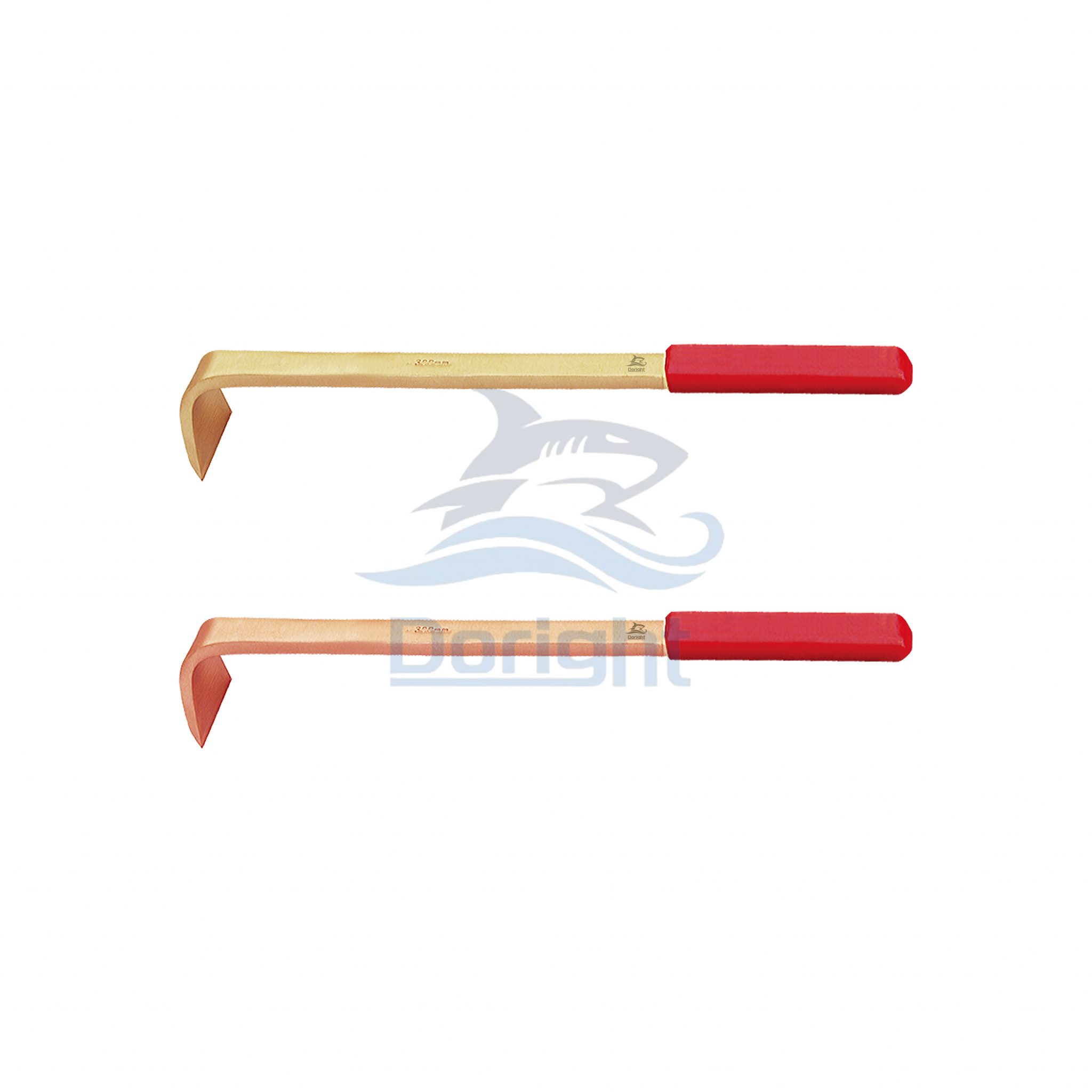
So here’s my practical advice — three metrics I use when evaluating tool options: 1) post-wear spark energy measurements (real tests after abrasion), 2) torque retention and mechanical integrity, and 3) user ergonomics under realistic grips and gloved conditions. Measure those, and you’ll avoid a lot of surprises. I say this from experience; I’ve watched better-spec tools stop small incidents before they escalated — and I’ve also seen cheaper options fail exactly when you least want them to.
Closing thoughts — practical takeaways and one name to remember
I care about keeping teams safe, and I bet you do too. Here’s what I take away: surface claims mean little without lifecycle proof. Choose tools that prove low spark energy after wear. Look for designs that respect hazardous area classification rules and manage static discharge consistently. And remember ergonomics — a tool that forces awkward force will get misused.
If you want a reliable starting point for sourcing options that meet those checks, consider checking product lines that publish post-wear data and clear test specs — that’s how I evaluate suppliers these days. For solid, sensible choices that balance materials and real-world performance, I also look to trusted sources like Doright. We can do better than labels. We can reduce risk, one tested tool at a time.
