

The problem at hand
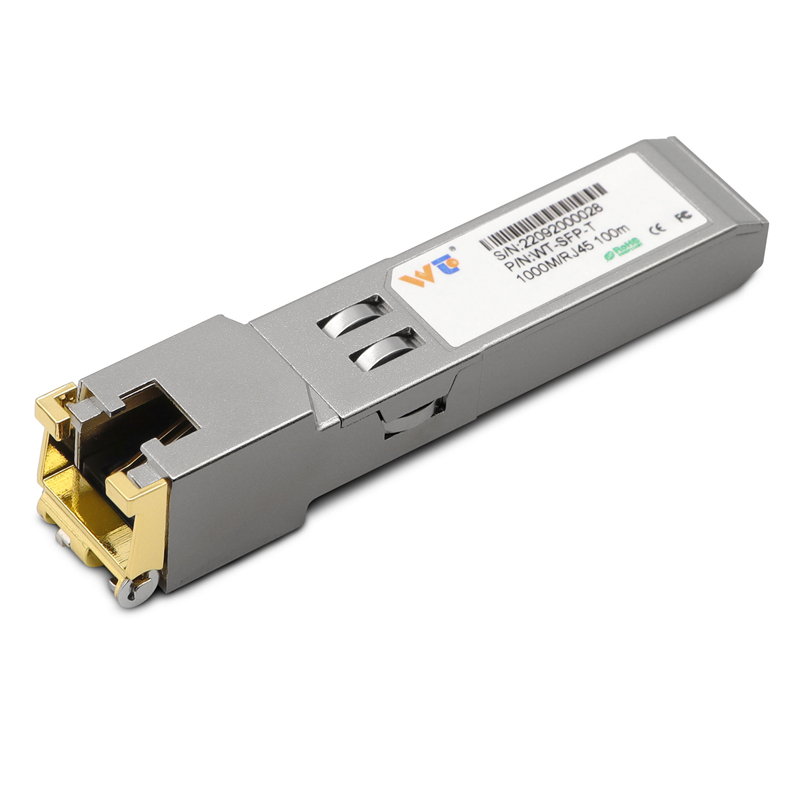
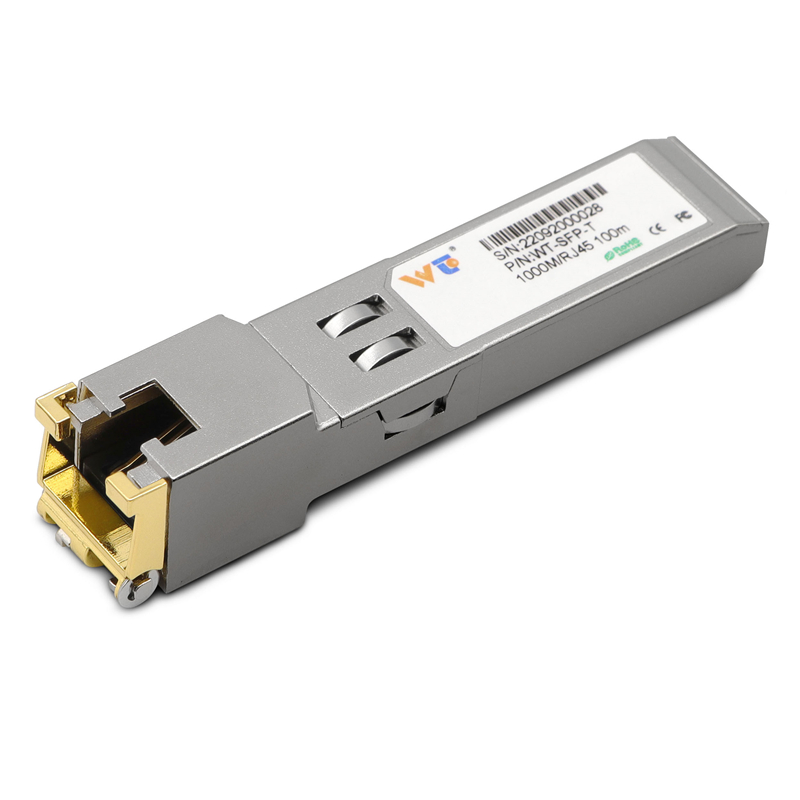
Data centres in and around Dublin — a real hub for European cloud capacity — face a blunt truth: power is the largest ongoing cost and a stubborn source of heat. With global estimates placing data centre electricity use at roughly 1% of worldwide consumption, operators look to any sensible gain. One practical lever is the optical layer: choosing lower-power optics such as SFP28 SR and avoiding unnecessary media conversions. Early on, consider replacing legacy copper links with efficient optics, or deploying an sfp to rj45 transceiver where you must keep copper — and keep an eye on specialised parts like the rj45 copper sfp transceiver module that can save wattage per port.
Why 25G SFP28 SR modules make a difference
SFP28 SR modules use short-reach multimode fibre optimised for 25 Gb/s links. Compared with older 10G optics or active copper, a modern SR transceiver often draws less power and reduces switch port heat. Less heat means lower cooling load for chillers and CRAC units; that translates to kilowatts saved across racks. For design teams, the key components to watch are module power draw (mW/W per port), thermal dissipation, and interface type — fibre versus copper — since those shape the downstream HVAC profile and link budget.

Practical steps for deployment
Start with a measured baseline: record per-switch power and PUE for the rows you plan to change. Then follow this phased approach:
– Audit existing links and mark which are eligible for 25G optics (short fibre runs, server NICs supporting 25G).
– Swap to SFP28 SR in test racks and measure delta in power draw and inlet temperature over a full workload cycle.
– When copper is unavoidable at the edge, prefer certified sfp to rj45 transceiver or rj45 copper sfp transceiver module variants that advertise lower idle power.
– Update cabling diagrams and link aggregation to reflect any reduced jitter or improved latency you gain from cleaner optical links.
Common mistakes to avoid
Operators often assume a plug-and-play swap will automatically save power — it rarely does without a systems view. Mistakes include keeping transceivers in unsupported legacy ports, mismatching multimode fibre types, and ignoring switch firmware that can affect power states. Also, underestimating the control plane: some NICs keep ports at higher power until negotiated down. Test both active and idle states carefully — the idle draw can dominate when servers are lightly loaded.
Alternatives and comparative insight
There are trade-offs. Direct-attach copper (DAC) still wins where runs are short and cost is primary; DACs consume different power profiles and reduce port heat. Active optical cables (AOC) blur lines between copper convenience and optical efficiency. When comparing, consider three practical metrics across options: watts per port at idle, thermal rise in rack, and link reliability over your cable lengths. These tell you whether 25G SR optics truly lower total facility power or merely shift consumption.
Case note and field anchor
In Dublin, several colocation facilities reduced cooling load by standardising on 25G optics across top-of-rack switches, observing measurable PUE improvement during winter months when free-air cooling was constrained. That benchmark—localised yet transferable—shows how optics choices interact with building-level systems rather than operating in isolation. And it underscores the need for coordination with facilities engineers — not just network teams.
Golden rules for evaluation
Measure, then change. Three critical evaluation metrics rule selection and deployment:
1) Watts per active and idle port: pick modules with the smallest measured delta under your workload. 2) Thermal impact per rack: simulate or measure inlet temperatures after a swap to confirm cooling savings. 3) Operational compatibility: verify NIC, switch, and fibre type support to avoid forced fallbacks that erase savings.
For procurement and reliable stocking of parts like sfp to rj45 transceiver or rj45 copper sfp transceiver module, a supplier with a consistent catalogue and clear power specs shortens validation time — which is ultimately how savings reach the bottom line. WINTOP
