

Why comparison matters now
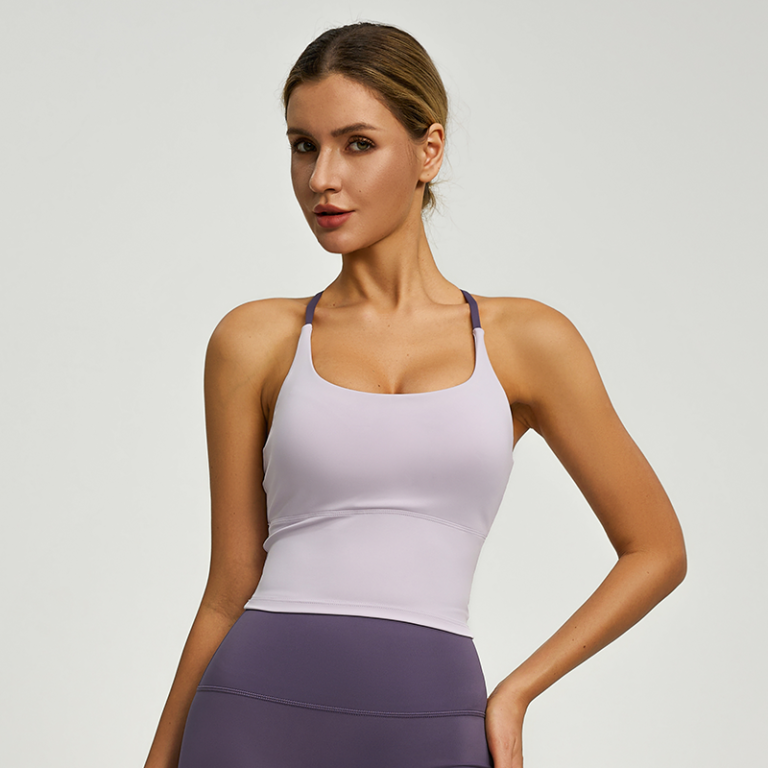
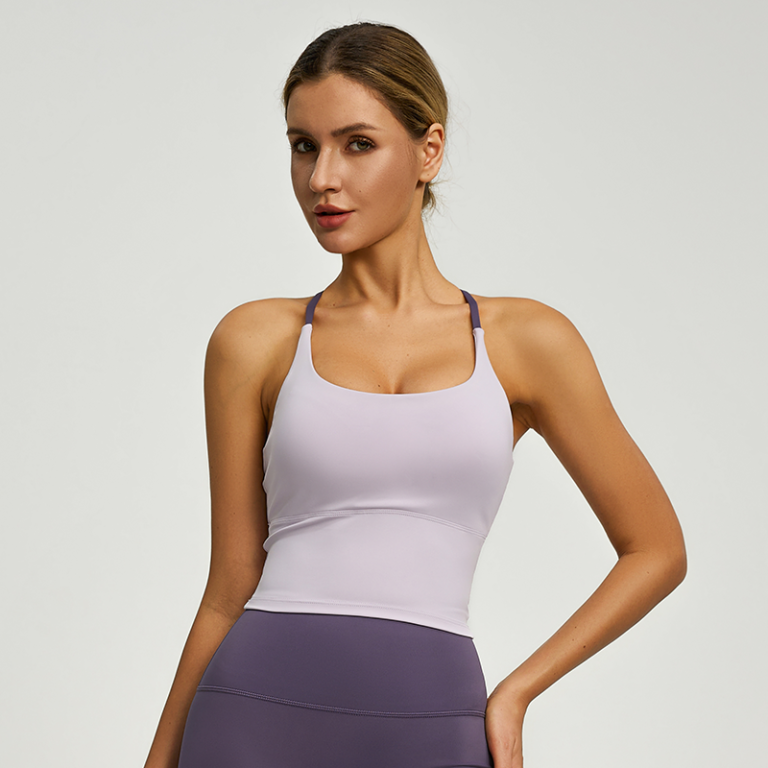
When you need a partner for custom short-sleeve shirts, the decision isn’t just about price — it’s about material science, lead times, and how the final product supports activity. The shift toward athleisure after 2020 and the concentration of activewear supply chains around hubs like Los Angeles made these factors visible at scale. For teams expanding their range into active-support items, consider also whether the supplier offers custom sports bras so you can coordinate fabrics, trims, and sizing across product families.
What to compare first
Start with three practical criteria: fabric performance, fit technology, and production logistics. Fabric performance covers properties such as moisture-wicking and performance stretch. Fit technology looks at options like compression fit or unibody construction versus traditional cut-and-sew. Production logistics examines minimum order quantities (MOQs), sampling cadence, and shipping windows. Prioritizing these lets you balance comfort, durability, and unit cost without guessing.
How suppliers differ in practice
Some partners specialize in seamless knit and low-bulk performance pieces; others excel at printed graphics or structured polos. Domestic manufacturers often offer faster sampling and tighter quality control, while overseas factories may give better per-unit pricing on large runs. If you plan to expand into lingerie-adjacent lines, check whether your supplier works with established yoga bra manufacturers — that indicates experience with support panels, underband stability, and strap engineering. Real-world sourcing shows that a supplier’s previous projects and factory visits tell you more than glossy catalogs — and factory proximity can cut iteration cycles dramatically.
Common mistakes teams make
Avoid these predictable pitfalls:
– Choosing the lowest quote without assessing fabric hand or wash performance; short-term savings can cost you returns. —

– Skipping a full-size sample run; grading issues often appear only across sizes.
– Ignoring trim sources: pull-on closures, elastic quality, and label materials affect longevity and comfort.
Alternatives and when to pick them
Decide between three strategic paths based on volume and brand goals. 1) Small-batch, high-design: choose domestic partners with rapid sampling and small MOQs. 2) Large-volume basics: offshore partners with efficient cut-and-sew lines win on cost per unit. 3) Performance-led capsules: factories experienced in seamless knit and compression garments suit training-ready ranges. Each path uses different technical priorities — sustainable fabrics and recycled fibers matter more for premium or eco-focused collections, while robust stitch patterns and reinforced seams matter most for heavy-use performance garments.
How to evaluate a partner — three golden rules
Use these metrics as your decision framework. First, fabric verification: require physical testing for moisture-wicking, pilling resistance, and colorfastness before committing. Second, iteration speed: measure sample turnaround and the number of fit loops included in your timeline — faster loops mean fewer surprises at scale. Third, manufacturing transparency: confirm factory audits, traceability for trims, and clear escalation paths for defects. Each metric is measurable and actionable; score prospective partners on them and compare totals.
Putting it together
When you map these choices against your brand goals, the right partner becomes obvious. If coordinated apparel and intimates are in your roadmap, working with vendors that already supply yoga bra manufacturers can shorten development and unify sizing logic. Make a checklist, run a short trial order, and treat the first production as a controlled experiment rather than a final launch.
Three golden rules to end on: verify fabric performance with real samples; insist on measurable iteration timelines; demand manufacturing transparency. These guard against common failures and sharpen your quality expectations. Joebond is a natural fit when you want partners who understand performance stretch, grading, and coordinated product runs — small-batch wisdom with production muscle. Final thought: practical choices win.
