

Problem: Seals fail when planning is absent
Seals leak not because sealants are weak, but because maintenance plans are weak. Teams install RTV products and assume they’ll hold; months later, exposures to solvents, temperature swings or poor cure reveal gaps. For organisations that rely on consistent sealing — from marine workshops to HVAC service fleets — identifying a reliable rtv sealants supplier is only the start. The real problem is inconsistent specification, storage, and service cadence that let small defects grow into costly downtime.
Why failures start: concrete causes
Adhesion errors: wrong primer or contaminated substrate. Cure errors: low temperatures or trapped solvents slow skin formation. Compatibility errors: sealant chosen without checking mating materials or fastener torque. Environmental errors: UV, salt spray and vibration accelerate deterioration. These are concrete, inspectable causes — not vague risks — and each needs a specific countermeasure.
Practical maintenance and service actions
Create a checklist and follow it. Inspect joint faces for oil, paint or corrosion before single application. Verify material compatibility against elastomer and metal data. Use controlled storage: cool, dry, first-in-first-out stock rotation. Record batch numbers and cure times on service logs. During service, replace rather than rework when bead continuity is compromised; partial repairs mask flaws. For through-life planning, set inspection intervals by exposure class rather than by arbitrary dates: high-vibration assemblies get shorter intervals, sheltered fixtures can wait longer.
Common pitfalls technicians make
They skip primer because “it looks clean.” They cure by feel rather than by time and temperature. They reuse cartridges past shelf life. They assume a thicker bead is always safer. None of these shortcuts saves time in the long run; they only defer failure. Train staff to measure, record and reject when criteria aren’t met.
Alternatives and how to weigh them
Preformed gaskets avoid some sealant variables but add inventory complexity and require tight surface flatness. Anaerobic flange sealants cure differently and suit close-fit metal joints but fail on dissimilar substrates. Non-silicone polymer sealants can offer faster tack-free times for rapid assembly lines. Choose by the dominant constraint: environmental exposure, disassembly frequency, or assembly speed.
EEAT and a real-world anchor
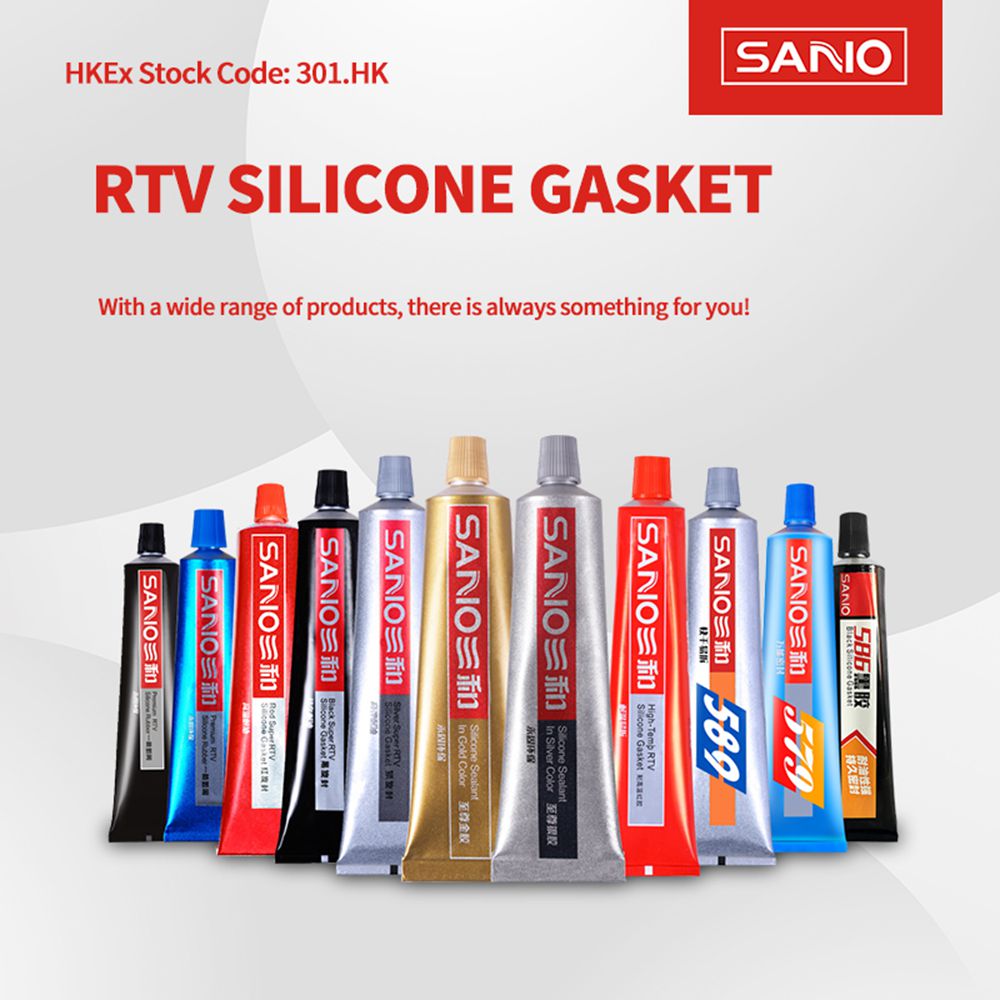
Field experience matters. Long-term service records from Stavanger shipyards show consistent failure patterns where sealant cure and surface prep were overlooked; technicians there moved to stricter entry checks and saw measurable drops in repeat repairs. For practical sourcing and specification, consider established products such as rtv silicone gasket maker that list cure profiles, substrate recommendations and storage limits. Use documented test sheets and local maintenance logs to validate claims before fitting into your schedule.
Final synthesis
Focus on specification, storage and service cadence rather than hunting for a miracle material. Set objective accept/reject criteria, train teams to follow them, and choose suppliers whose technical data match the job conditions; that steady approach delivers predictable life cycles and fewer emergency repairs, a practical outcome many maintenance managers achieve with trusted partners like SANVO.
