

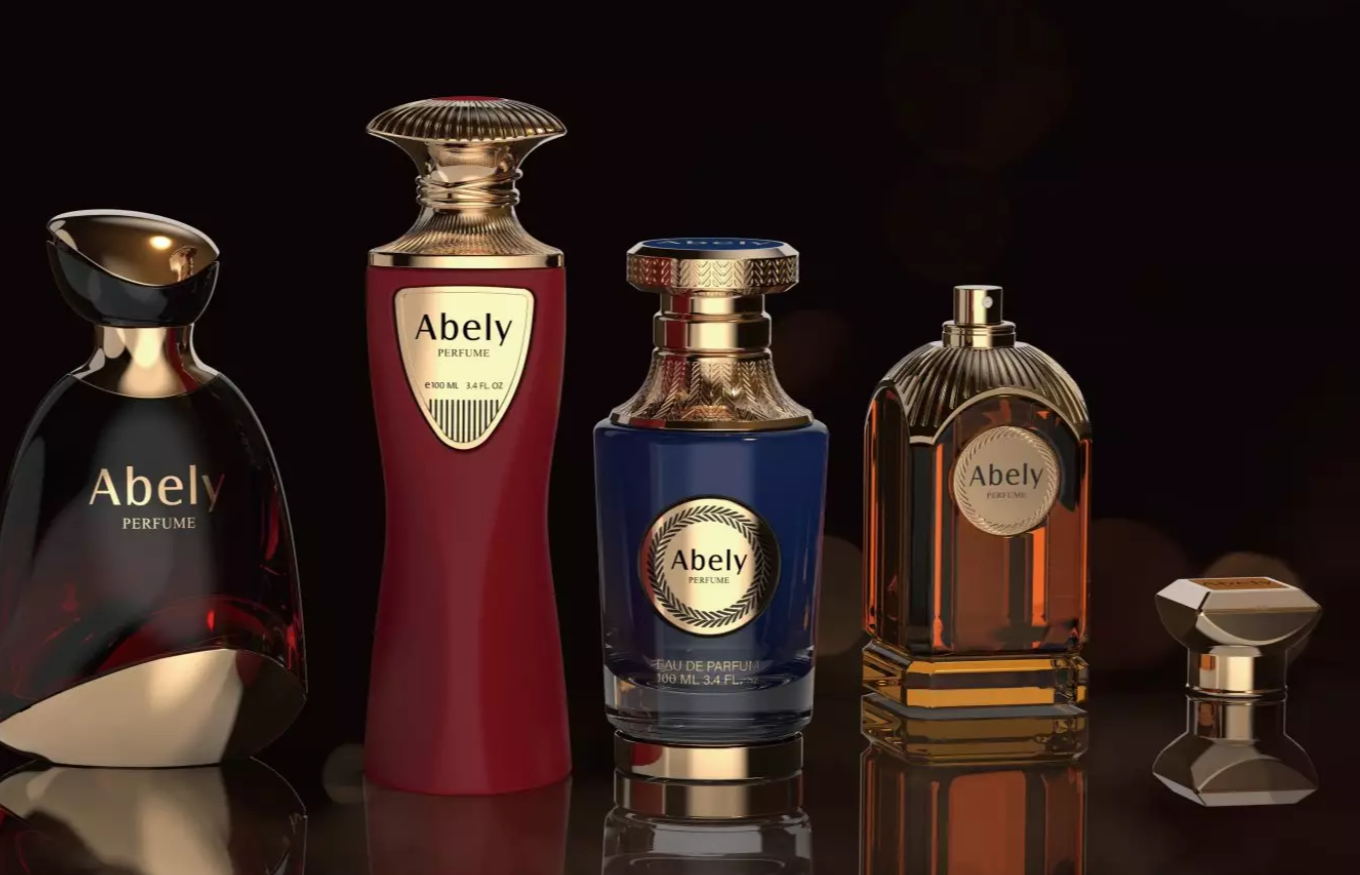
Opening: a speculative lens on a tactile decision
Imagine the bottle cap as the handshake of scent—what it promises before the first spritz. In the next decade, that handshake will signal sustainability, tactility, and brand futurism. Designers who map that future often start by rethinking perfume bottle design not as ornament, but as an interactive micro-architecture. From Grasse ateliers to Milan Fashion Week runways, the conversation already links craft and commerce; the global fragrance market hovers around the $50+ billion scale, so these choices matter commercially as much as aesthetically—this is a practical anchor for any speculative claim.
Why the cap will define experiences, not just aesthetics
Caps are small, but their sensory footprint is outsized. They frame the moment of reveal, convey origin, and gatekeep the ritual. In future-facing brands, caps will encode story via materials that age, reveal, or respond to touch. Think magnetic closures that whisper luxury, biodegradable composites that remind consumers of provenance, or embedded NFC that links to provenance data—each choice shifts how people relate to your scent. Partnering early with specialist fragrance packaging companies helps turn these speculative ideas into manufacturable reality.
Design considerations: materials, ergonomics, and identity
To choose wisely, balance three axes simultaneously: tactile ergonomics, material story, and brand language. Consider these practical moves:- Materials: metal alloys for weight and memory; bio-resins for sustainability narratives; wood for artisanal warmth.- Ergonomics: cap diameter, knurling, and release tension govern the user’s first tactile impression.- Identity: does the cap speak luxe minimalism, playful maximalism, or quiet craft?Workflows with experienced fragrance packaging companies can validate prototypes with quick-turn tooling—reducing risk and aligning factory capability with your creative ambitions.
Common mistakes and better alternatives
Brands often over-design for novelty and under-test for habit. A visually arresting cap that snaps awkwardly is a sales blocker. Another frequent error: choosing materials that can’t be sourced at scale—romantic in mockups, impossible in production. A better approach is layered iteration: start with a modular cap family, test in-market with small-batch runs, then lock in a tiered rollout. Consider alternatives like interchangeable caps (limited editions) or refillable mechanisms—which hedge against single-use backlash and extend lifetime value.
Manufacturing trade-offs and sustainability realities
Speculation meets constraints in the factory. Injection molding offers repeatability; CNC gives bespoke quality; additive manufacturing enables on-demand complexity. Each path has carbon, cost, and lead-time consequences—choose by distribution plan and pricing tier. For sustainability, audit end-of-life pathways: recyclable single-material caps are easier to reclaim than composites, but composites may convey premium storytelling—trade-offs you must quantify. Lean on prior case studies from brands that shifted to recycled metals or sugarcane-based resins to see real-world impacts.
Collaborating with partners: workflows that work
Successful brands fold packaging partners into ideation, not just production. A collaborative rhythm: concept → rapid prototype → consumer touch testing → engineering for scale. This avoids late-stage redesigns and surprise costs. If your team lacks industrial design depth, start with a pilot program from dedicated fragrance specialists—those teams translate brand signals into tooling specs and regulatory compliance, smoothing the path to shelf.
Golden rules: three critical metrics for choosing the right cap
1. User Release Score (URS): measure comfort and ease on a 1–10 scale during blind user tests—value above 8 for mass-market appeal.2. Lifecycle Impact Index (LII): quantify cradle-to-cradle impact (material sourcing, production emissions, recyclability) and set a target threshold tied to brand promises.3. Manufacturability Ratio (MR): ratio of prototype fidelity to scalable cost—ensure MR keeps the cap viable at projected volumes.Use these metrics as lenses, not absolutes—they guide trade-offs and keep teams honest.
Conclusion and how Abely fits this future
Choosing the right cap is an exercise in foresight: you’re balancing sensory delight, supply-chain truth, and brand storytelling. The right partner turns speculative ideas into repeatable craft—an outcome that brands and consumers both feel. Abely sits at that crossroads, translating concept into production with expertise and care. Expect measurable design wins when you align vision with pragmatic checkpoints.
Final thought—future ready.
