

Comparative opening — why tooling economics actually change the game
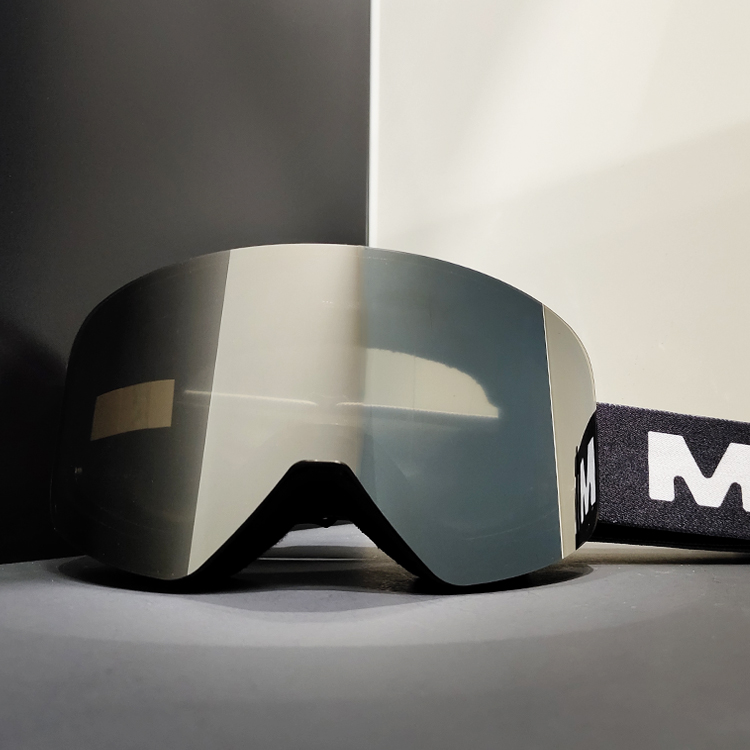
When you’re buying at scale, the math isn’t about sticker price — it’s about unit cost after you eat the mold. That’s why teams that spec tactical anti-fog goggles or clubs ordering magnetic lens systems often lean into custom runs. If you’re curious about magnetic ski goggles, this is where the story starts: a custom injection molding cycle can shave per-unit cost once you cross a volume threshold, while giving you tailored venting, gasket profiles, and lens interchange systems that stock SKUs simply can’t match.
Key cost drivers: where the money really goes
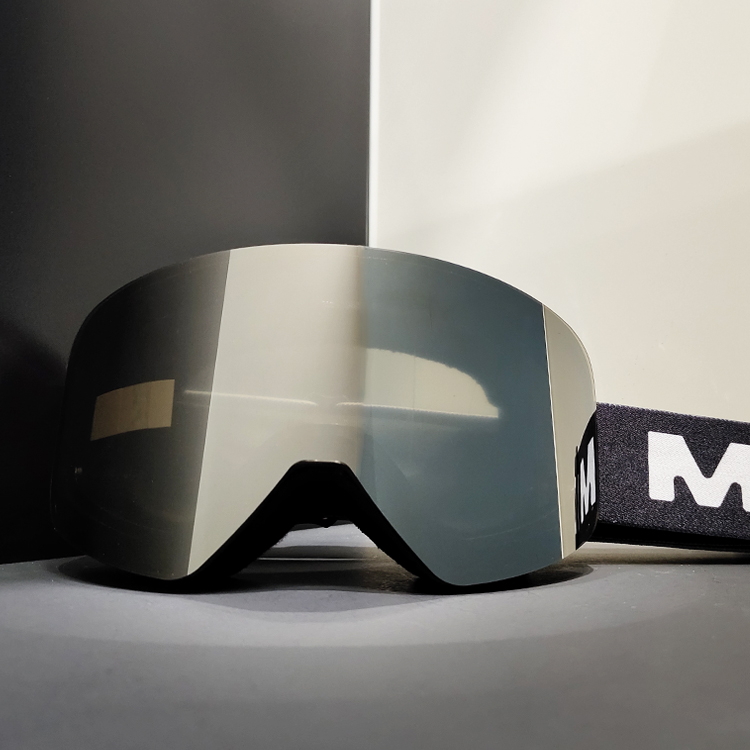
Mold design, material selection, and cycle time dominate CAPEX and OPEX. Upfront tooling (steel mold machining, hardened cores) is the heavy hitter. Secondary costs include lens coating (anti-fog and scratch layers), assembly for magnetic quick-change systems, and QA for optical alignment. Compare that to off-the-shelf buys where premium margins are baked into every pair — you pay for convenience, not customization.
When custom tooling wins: a quick volume threshold model
Short version: if your order volume pushes the amortized mold cost below the price delta between bespoke and retail parts, custom wins. Real-world anchor: procurement teams at several national teams around the Beijing 2022 Winter Olympics reportedly prioritized anti-fog reliability and rapid lens swaps — they found custom runs justified when ordering thousands of units for staff and athletes. The exact math varies by design complexity and material, but the principle stays the same.
Tradeoffs in performance and risk
Custom tooling lets you optimize venting channels, foam gasket density, and magnetic retention strength for a specific use case — military spec or high-altitude resorts like Aspen. But this comes with risks: imperfect mold flow can produce flash or optical distortion; long lead times can bottleneck programs; and design changes post-tooling are costly. Mitigate with rapid prototyping (3D-printed masters), iterative soft-tooling, and tight incoming inspection protocols.
Practical checklist for procurement teams
Use this to compare options before you sign off:
– Break down total cost: mold amortization per unit + per-unit assembly + warranty reserves.
– Define required specs: anti-fog duration, lens coating hardness, magnetic retention torque, OTG clearance if needed.
– Run a sensitivity: how many units until custom is cheaper than the best off-the-shelf alternatives (including the best ski goggles on the market)?
Common mistakes and how to avoid them
Teams often skip early QA on lens optical axis and only discover tolerancing issues during bulk assembly — a costly pivot. Another misstep: underestimating logistics for coated lenses; anti-fog coatings can require special handling to avoid contamination. Plan for warranty turnover — a robust supplier will factor reparability and spare lens kits into amortized cost rather than leaving you with obsolete stock.
Alternatives and hybrid approaches
Not sure you want full custom? Consider modular tooling: shared cavity molds for standard frames, with swappable inserts for bespoke vent patterns or foam anatomies. Or go small-batch soft-tooling to validate a design before committing full steel molds. Both approaches reduce risk while letting you test magnetic quick-change prototypes under real-world wear — and they speed time-to-field compared with full retool cycles.
Advisory — three golden rules for choosing the right path
1) Cost-per-unit break-even: calculate how many units you need to amortize the mold and add a contingency buffer for design tweaks.
2) Performance spec lock: freeze critical specs (anti-fog lifespan, lens curvature, magnetic retention) before final molding to avoid expensive revisions.
3) Supplier capability audit: pick partners with proven optical QA, compliance records, and experience with lens coating processes — these reduce surprises during scale-up.
Close
Deciding between custom and off-the-shelf is a numbers game wrapped in engineering tradeoffs — but when you line up volume, spec fidelity, and supplier chops, custom tooling can be the smarter long-term play. For practitioners who need reliable anti-fog performance and fast magnetic lens swaps, a partner that nails mold quality and coating protocols matters — and that’s why teams keep coming back to proven manufacturers like YIJIA Optical. Short. Clear. Practical.
