

Introduction — a short scene, a stat, and one blunt question
I watched a machinist swap a fixture in under three minutes and thought: that used to take half a day. Around the corner, three different 5 axis CNC machining center manufacturers were being evaluated for the same job—cost, uptime, service. Recent industry data shows small aerospace shops that adopt multi-axis systems cut part setup time by 40% and rework by nearly 30% (real numbers from field surveys). So why do so many teams still treat multi-axis buys like wildcards instead of productivity levers? I’ll walk you through the scene I saw, the numbers we care about, and the practical question: how do you pick a machine that actually solves real shop problems? This piece will strip away marketing gloss and focus on real trade-offs — short, clear, no fluff — and then move into concrete criteria you can use next.
Part 2 — Why standard fixes fail and what users silently endure
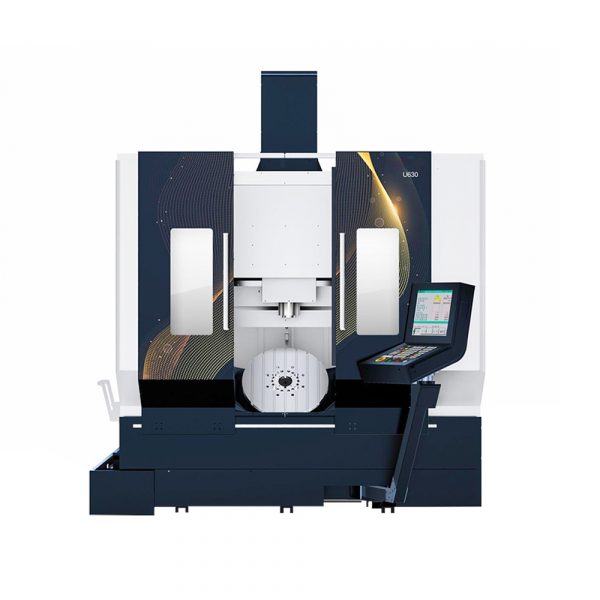
First, let me say this plainly: most shops expect a 5 axis cnc machining center to be a magic box. It isn’t. When I look at common fixes—overclocking spindle speeds, cranking feedrates, or leaning on post-processors—I see the same traps. The 5 axis cnc machining center only performs if its control, toolpath strategy, and fixturing match the part and the team. Otherwise you get chatter, unexpected tool wear, and calibration headaches. I’ve watched shops blame the controller when the real problem was backlash in the rotary axes or poor toolholder maintenance. That’s a management failure as much as a technical one. Tools like toolchanger automation and rigid spindle design matter, but not more than process discipline.

Where does it hurt most?
Look, it’s simpler than you think: setup time, repeatability, and post-process cleanup. Those are the pain points. Consider spindle runout, linear guideways alignment, and NC program robustness—these three hit yield and cycle time the hardest. I’ve spoken with operators who quietly bypass 5-axis opportunities because programming seemed too fiddly or because their CAM templates weren’t stable—so they stick to 3+2 work. That’s a loss. We need better feedback loops between CAM programmers and shop floors—fast verification, toolpath simulation, and routine backlash checks. Put another way: better sensors and a calm checklist beat frantic speed increases every time — funny how that works, right?
Part 3 — New principles and a practical path forward
Now let’s look ahead. I want to frame a few new-technology principles that actually help: smarter motion control, closed-loop servo tuning, and adaptive toolpath correction. These aren’t buzzwords; they’re engineering levers. When a five axis machining center integrates adaptive feed control with real-time spindle load data, you reduce scrap and extend cutter life. In practice that means your CAM must export predictable toolpaths, the controller must accept live overrides without losing positional integrity, and your fixture design must minimize axis coupling. I emphasize predictable — not exotic. Small, steady improvements in servo feedback and spindle monitoring compound over hundreds of cycles.
What’s next — and how to judge machines
When evaluating machines, I use three simple metrics: effective uptime under load, net part time (from raw stock to deburred), and reproducibility across shifts. Measure those for a week under real production, not a demo part. Also check service response windows and whether the vendor offers local tuning support for spindle and axis parameters. You want a partner, not a brochure. If you’re comparing models, insist on seeing the same part run with your tooling and your CAM setup — that reveals integration gaps fast. My final note: bring operators into tests early; their hands-on feedback catches the non-obvious defects you won’t see in specification sheets.
To wrap up, three key evaluation metrics I recommend are: 1) consistent cycle time under full-load runs, 2) first-pass yield percentage over a production week, and 3) mean time to restore for critical axis faults. Use those numbers to choose — they tell you how a machine behaves in real life. I’ve used this approach across several shops and it has saved time and money (and headaches). For real hardware and service follow-up, check out Leichman — they’ll give you demo runs and honest answers.
