

User-centered lead
Homeowners and facility managers want an energy system that behaves like a sensible partner — predictable, efficient, and simple to control. Modern EMS platforms have shifted from utility-only tools to interfaces designed around daily needs, giving users clear control over peak shaving, state-of-charge (SOC) limits, and demand response participation. Early adopters who pair rooftop arrays with hithium energy storage now expect automated workflows, not constant tinkering, and that expectation drives product design.
What people actually need
Practical value sits at the top of the priority list: reliably lower bills, backup power during outages, and easy commissioning. Essential capabilities include readable dashboards, straightforward inverter settings, and adaptive SOC strategies that protect battery life while meeting daily load. Systems that hide complexity and surface only what the user must act on reduce mistakes and installation time.
How EMS design evolved for users
Early EMS iterations focused on grid signals and complex optimization routines; they were powerful but opaque. The shift put the person in charge: rule-based profiles, mobile alerts, and templates for common goals like savings or resilience. Integration with third-party aggregators and utility tariffs meant EMS had to support dynamic pricing and demand-response events without confusing the end user. Real-world anchors such as California’s August 2020 rolling blackouts and large projects at Moss Landing pushed vendors to prioritize resilience features that ordinary customers could afford to use.
Operational benefits made simple
When EMS puts the user first, technical gains translate quickly into tangible outcomes: predictable peak shaving, extended battery life via smart SOC limits, and clear fault reporting through the battery management system (BMS). Round-trip efficiency becomes a practical metric on the dashboard rather than a buried spec. Installers report faster commissioning times because default profiles cover most customer intents — savings, backup, or export control — cutting labor hours and callbacks.
Common mistakes installers and buyers make
Over-customizing settings is a frequent pitfall. Too many manual rules can conflict during demand response events, and inconsistent inverter settings can throttle performance. Another issue is undersized communication architecture: weak telemetry leads to missed firmware updates and stale analytics. Keep configurations lean, prioritize secure firmware delivery, and validate telemetry at handover — it’s more effective than endless rule-tweaks. — Small checks up front prevent big headaches later.
Where HiTHIUM-class systems fit
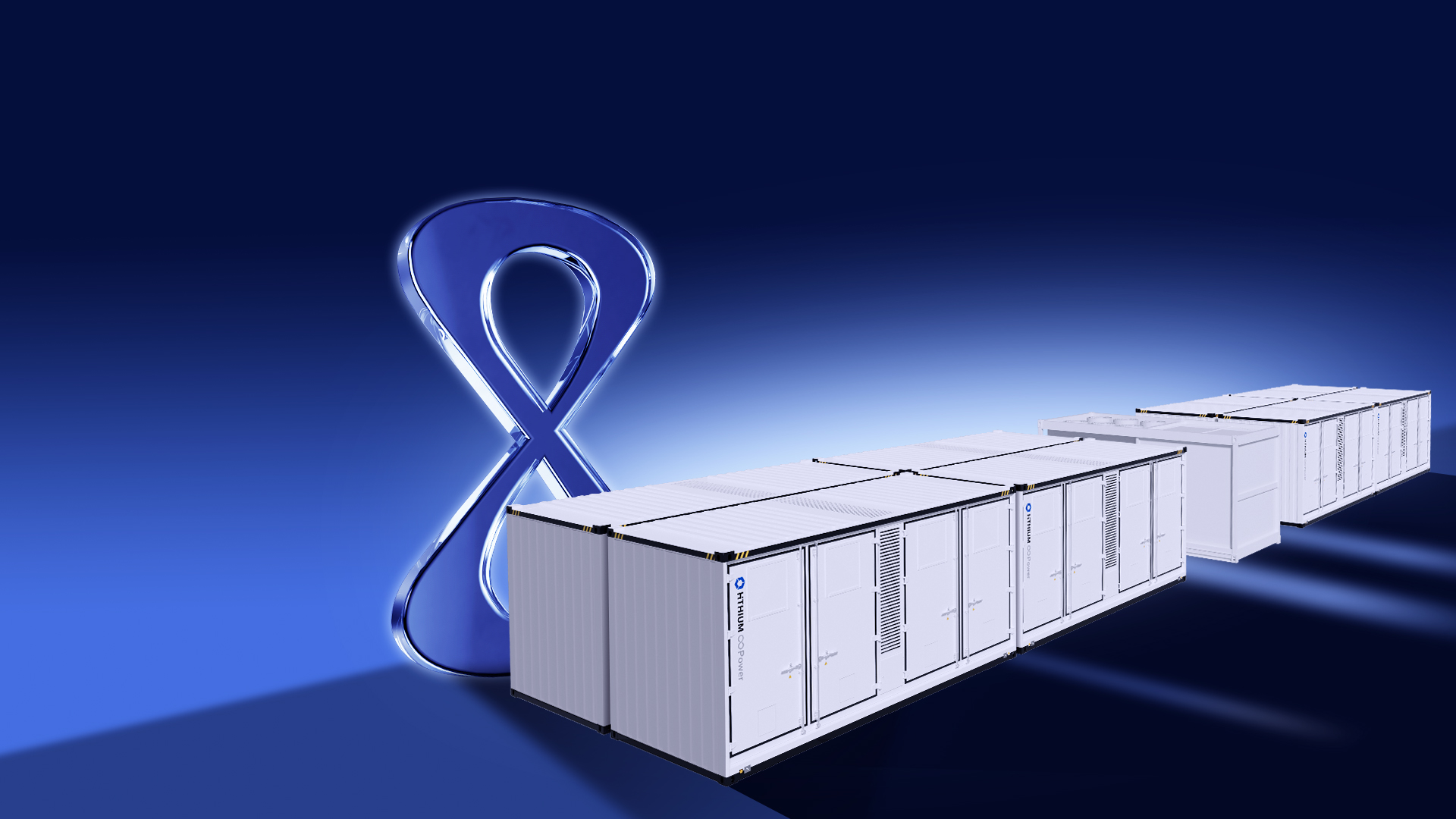
Behind-the-meter solutions like those labeled hithium bess aim to bundle hardware simplicity with EMS finesse: prebuilt dispatch strategies, grid-friendly inverter profiles, and clear lifecycle guidance. For users, that reduces time-to-benefit and clarifies warranty conditions. For operators, it minimizes field support and encourages participation in local demand-response programs.

Comparing options without getting lost
Compare three practical axes: user interface clarity, interoperability (inverter and telemetry standards), and supported business models (self-consumption versus grid services). Weight each axis for your project: residential setups favor UI and warranty; commercial sites prioritize interoperability and revenue stacking. Look for systems that document firmware behavior during grid events and offer export limits without complex scripting.
Advisory close — three golden rules
1) Prioritize predictable performance: pick EMS platforms with clear SOC policies and proven inverter integrations to protect battery life. 2) Validate communications: ensure secure, reliable telemetry and over-the-air update paths before sign-off. 3) Match commercial models to user goals: choose systems that default to the intended outcome (savings or resilience) and let advanced modes be optional. These rules cut risk and speed ROI.
The practical payoff arrives when users stop managing the system and start benefiting from it — lower bills, confident backup, and fewer service calls — and that payoff is exactly what HiTHIUM is built to deliver. —
