

Introduction — a small plant, a big delay
I once stood on a shop floor where three operators circled a single line like bees around a damaged hive. The pause was obvious: cartons piled, staff fretted, and orders slipped (we all felt it—tight deadlines, tighter tempers). In that same plant the lid applicator machine was rated for 120 cycles per minute but real-world throughput hovered at 85 — a 30% shortfall. What exactly was dragging performance down, and how do we actually fix it?
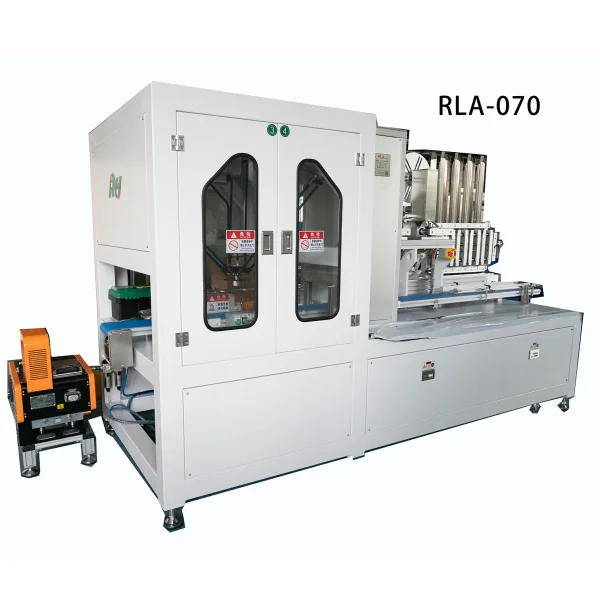
I’m writing from hands-on experience, and I don’t sugarcoat. The problem is rarely one single fault. Often it’s a mix of misaligned conveyors, an aging PLC that mis-sequences, and simple operator habits that no one bothered to change. You’ll see terms like servo motor and cycle time thrown around — they matter, but they aren’t the whole story. Let’s move from the pile-up on that floor to the heart of the issue next, and I’ll show you where the real gains hide.
Where traditional fixes fail: a technical look at hidden flaws
Start with the machine itself: the automatic lid applicator often comes with a nominal speed, but that number assumes perfect feeding, ideal lids, and calibrated pick-and-place heads. In practice, a worn pneumatic actuator, slight timing drift in the PLC, or an overloaded indexing conveyor reduces effective throughput. I’ve examined lines where the servo motor reacted perfectly but the feed star caused jamming — small things, big impact.
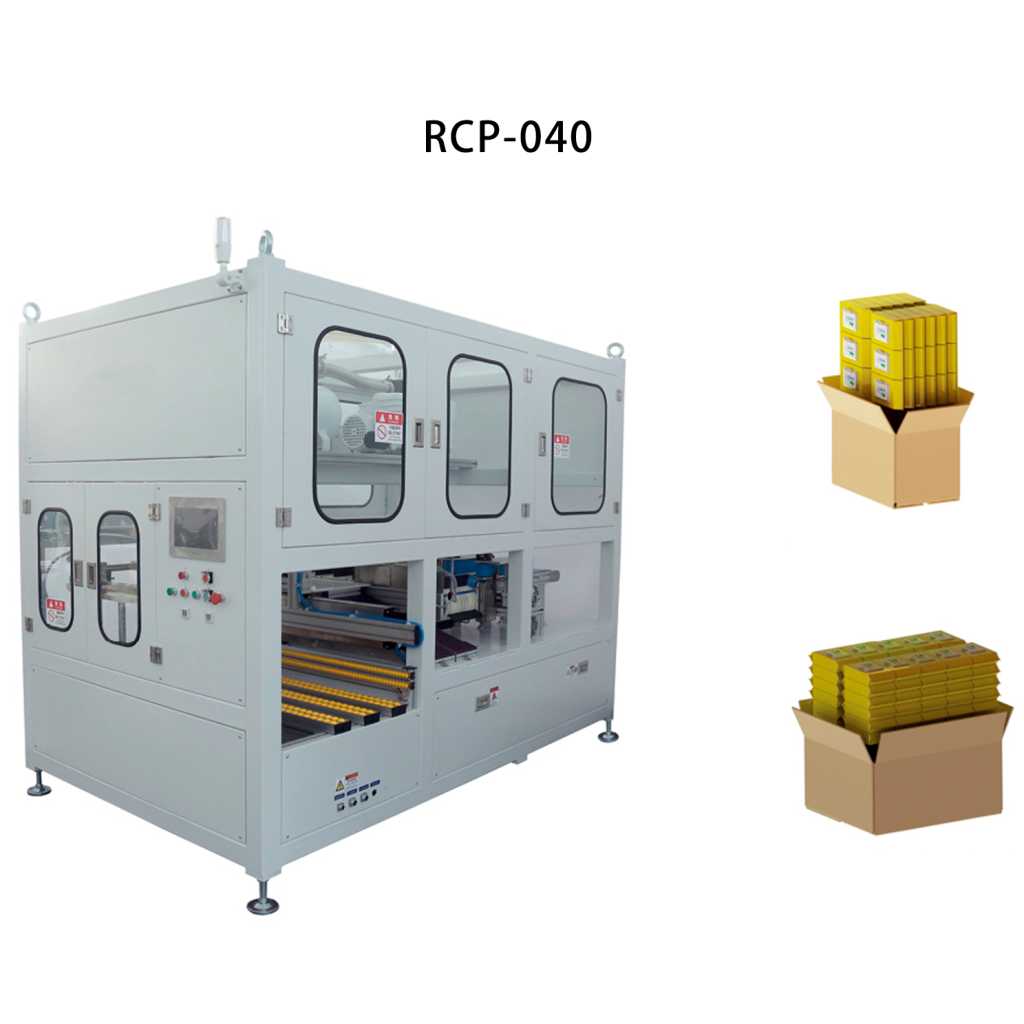
Why do these small things matter?
Look, it’s simpler than you think: a misfeed adds half a second per cycle. Half a second sounds tiny until you multiply by thousands of cycles. The common “fixes” I see are patchy: replacing lids with cheaper stock, or tightening torque settings without diagnosing root cause. Those are band-aids. What you need is proper fault diagnosis — clear sensor feedback, repeatable indexing, and a maintenance rhythm that catches drift before it becomes a stoppage — funny how that works, right? Industry terms to watch: PLC logic, pick-and-place head, pneumatic actuator, and cycle time. These matter when you measure losses accurately.
New principles for the next generation line
Moving forward, I favour principles that blend control precision with practical shop-floor sense. Introduce closed-loop feedback on the automatic lid applicator, add a simple HMI display so operators see rejection causes, and make spare parts (pick heads, feed fingers) routine stock. Technically, that means better sensors, straightforward PLC interlocks, and a maintenance checklist that is actually used. I’ve pushed these principles into lines and they cut unplanned stops by half — not a miracle, just sensible engineering.
Real-world impact — what to expect
Adopt these upgrades and you’ll see three outcomes: fewer jams, steadier cycle time, and faster recovery when faults do occur. You don’t need a full factory rebuild. Small firmware tweaks, calibrated torque settings, and clearer operator training reduce variability quickly. I’ve seen throughput climb from the low 80s to the high 100s per minute on modest budgets — and yes, it felt good to watch that line hum again.
When you evaluate solutions, keep it tight: 1) measure true throughput under normal shifts, 2) track mean time to repair (MTTR), and 3) compare total cost of ownership including downtime. These metrics tell the real story — not the brochure. If you want a partner who understands both the control panel and the tea-break conversations on the floor, consider the makers behind the systems I’ve used. ZLINK
