

Start with the problem you keep ignoring
Too many backpacks look good on a feed and fall apart the first week you shove gear and groceries in ’em. You need a maker who understands the real pain—where zippers split, straps rub, and pockets don’t hold up—so stop guessing. If you carry cameras, lenses, and a laptop on the same shoulder, test for pockets, padding, and quick access: I’d sooner trust a proven camera gear bag than a flashy label with terrible engineering.
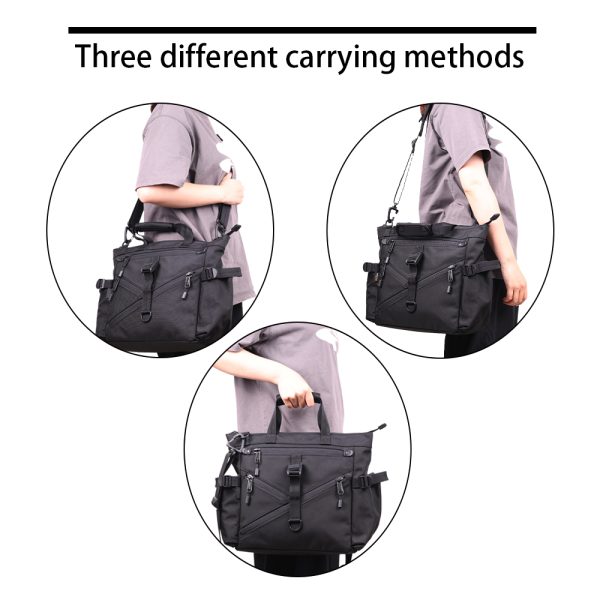
What breaks first and why it matters
Zippers, seam tape, and hardware fail in that order. That’s not drama; it’s predictable wear. Ask suppliers about seam allowance, stitch count per inch, and zipper grade. Real talk: the wrong zipper ruins an otherwise solid bag. Demand test results or photos from recent production runs. If a factory can’t show you stress tests or close-up stitching, that’s your red flag.
Materials you can inspect without sounding dumb
Know your fabrics: Cordura for abrasion, coated canvas for structure, TPU liners for weather resistance. Ask for weight per square meter and water-resistance ratings. Touch samples in daylight. Don’t get sold on “premium.” Instead, insist on proofs—trim swatches, hardware codes, and their supplier invoices. Real experience comes from handling prototypes, not reading marketing copy.
How design choices solve real problems
Design is problem-solving. Want organized carry? Prioritize layout: separate wet/dry pockets, padded laptop sleeve, and a quick-access top pocket sized for your phone and transit card. For photographers, that means configurable dividers and accessible lens pockets. Small details—like webbing lay and D-ring placement—change how a bag performs on the street or on a shoot.
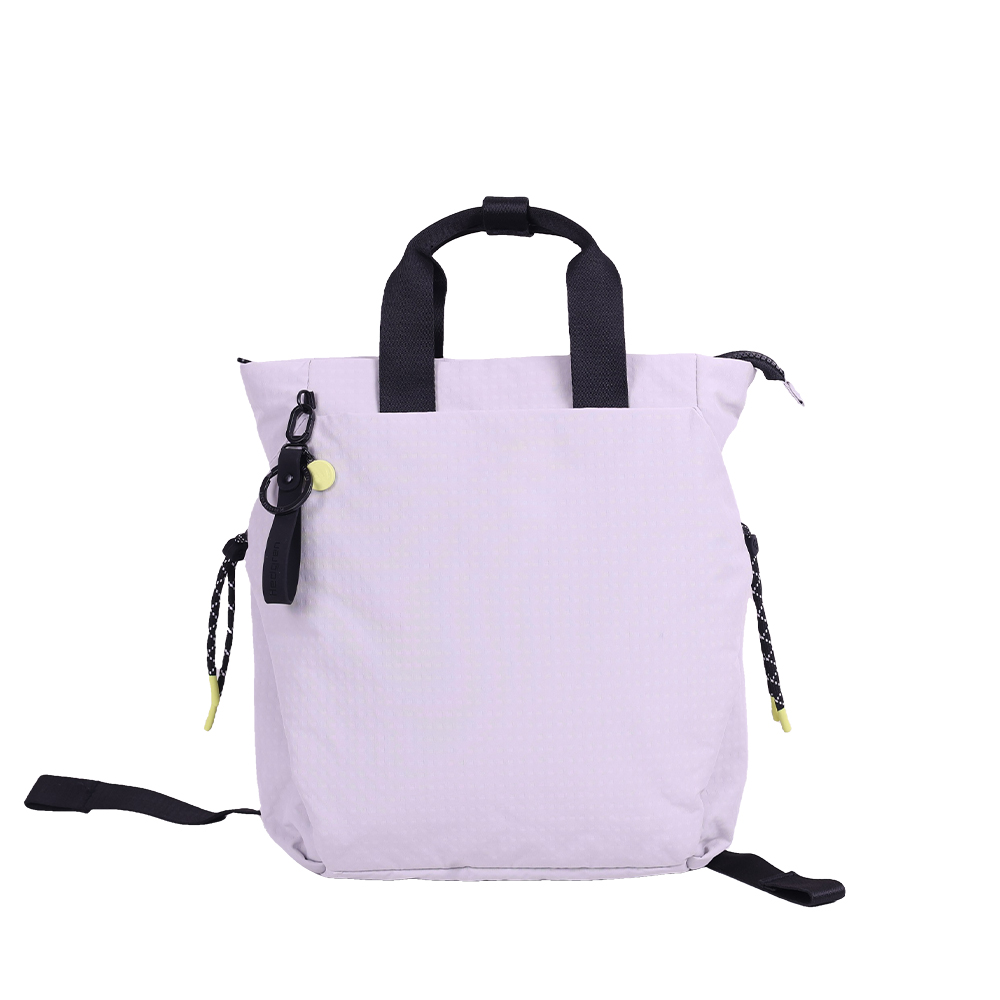
Where you can verify claims (the real-world anchor)
I’ve seen smart solutions showcased at Photokina, the global photography trade fair in Cologne, where manufacturers and brands test practical designs under industry scrutiny; that’s where multi-pocket designs get stress-tested against actual pro needs—see this multi-pocket camera bag for how purposeful compartments and quick-access work together. Use trade show demos, third-party reviews, and real shoot notes as your benchmark data.
Common pitfalls people ignore
Don’t accept vague lead times, one-off sample photos, or “we’ll fix it in mass production.” Watch for invisible cost shifts: small changes in hardware or lining that save the factory money but wreck durability. Skip factories that dodge visits or refuse to provide a PO sample with production specs. If the maker balks at showing test reports or production photos with dates, walk away.
Alternatives worth testing before you commit
Compare three paths: a local small-batch maker, an established overseas factory with QC reports, and a hybrid (design house plus contract factory). Prototype locally for fit, then scale with a vetted factory that supplies written QC checkpoints. Keep a shortlist of replacement suppliers and price out simple part swaps—zippers and buckles—before you sign anything long-term.
Final take — who solves the problem you actually have
You want a maker that reads like a toolbox: honest specs, real prototypes, and proof they fix problems fast. My advice comes from advising NYC photographers, small retail brands, and design teams—seeing what snaps and what lasts. When a producer balances sensible materials, solid construction notes, and transparent runs, it shows in everyday use, and that’s the practical value ChangRong brings to the table without the hype.
