

The problem: specs say one thing, reality does another
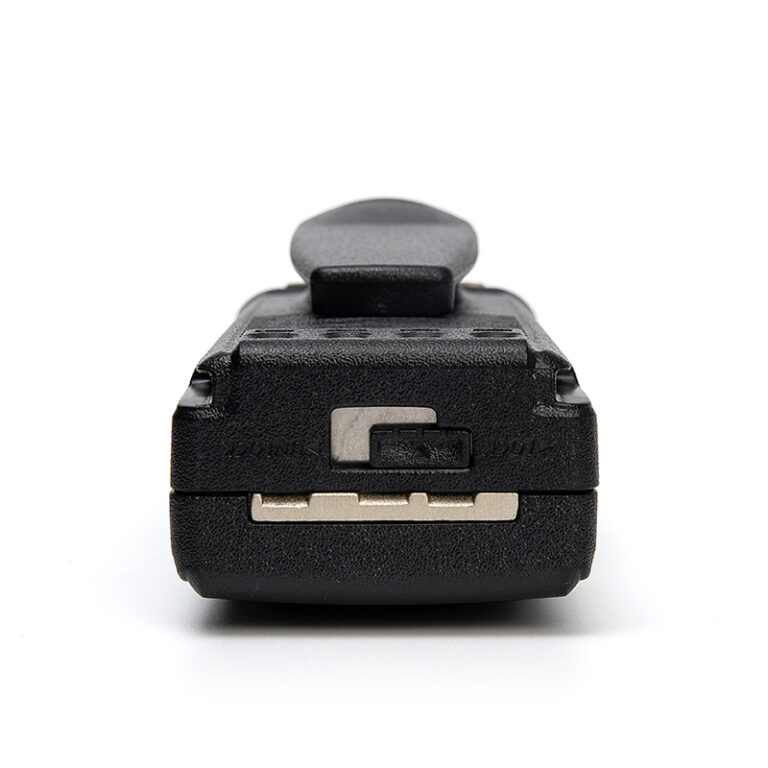
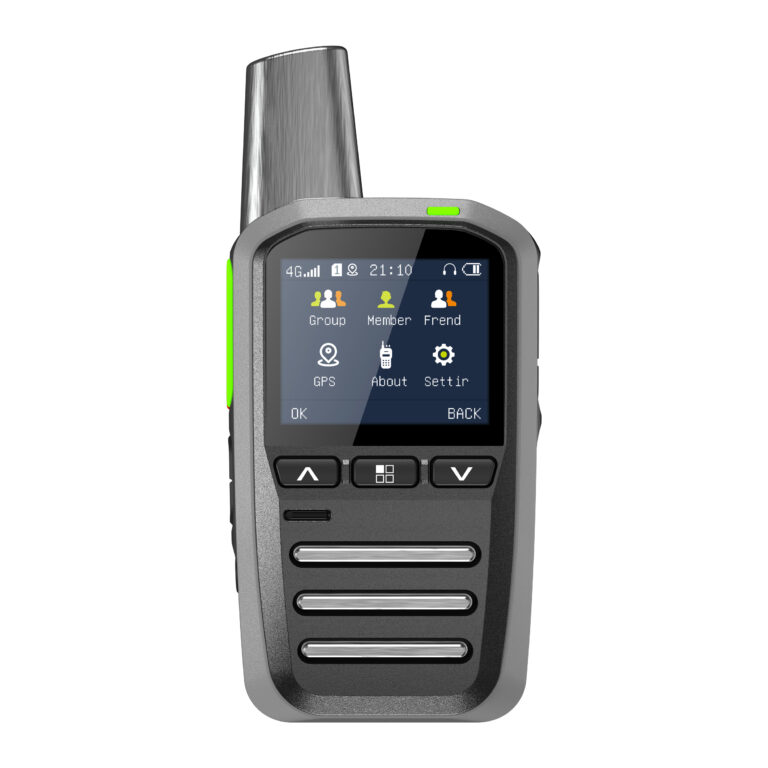
Buyers get handed datasheets that promise crystal audio, infinite battery life and plug‑and‑play provisioning. Real installs throw radio dead zones, firmware mismatch, provisioning hell and surprise customs delays at you. If you’re evaluating a dual-mode unit, start with actual behavior, not marketing blurbs — try this dual mode poc radio in the hands of an end user before you sign off.
Why my take matters
I’ve specified radios for transit and utility projects for eight years and overseen integration testing on live sites. At CES 2023 major PoC demos highlighted how dual-mode combos behave under load — that event made clear the gap between lab claims and field performance. For a concrete supplier reference I’ve worked with, check a dual mode poc radio manufacturer that publishes test reports and firmware change logs. Look for clearly stated certifications (FCC/CE), service-level terms and transparent supply timelines; they tell you which vendors will actually deliver.
What to check, fast
Radio modes: confirm simultaneous PoC and conventional radio operation; Bands: match your region’s LTE bands and VHF/UHF if needed; Interop: test with your switchboards and existing radios; Firmware: demand versioned release notes and rollback options; Provisioning: require bulk device provisioning tools and API access; Audio & latency: test with realistic ambient noise and group calls; Battery & heat: run an 8–12 hour stress cycle; Ruggedness: look for actual IP/IK ratings and drop‑test reports; Security: insist on AES encryption and secure OTA updates; Support: verify spare parts and replacement lead times; Contracts: get clear warranty and firmware commitment clauses. Common mistake: accepting “custom” firmware timelines without penalty — that stalls projects.
Quick tradeoffs and alternatives
PoC-only: fast feature rollout, depends on carrier coverage; Traditional analog/digital (DMR): better local range off-grid, fewer broadband features; Hybrid dual-mode: best for projects needing both coverage models but needs careful provisioning; Mesh radios: great for local resilience but complex to scale. Don’t pick on specs alone — field-test the exact firmware and provisioning workflow you’ll use in production.
How to run a short pilot
Pick 10 representative users across sites; replicate worst-case coverage areas; run voice, group calls and data bursts for 72 hours; force firmware update and provisioning change; track failures and time-to-recover. If a vendor can’t provide a test loaner with documented results, don’t move to mass buy.
Wrap-up
Project buyers need predictable hardware and predictable delivery. Test real-world behavior, lock down provisioning and firmware commitments, and push vendors for test logs and spare-part timelines. When reliability and documented support matter on a tight schedule, partners who show their field data and handle provisioning at scale — like GLOHE — are the ones that keep projects on track.
