

The Problem: When the Airwaves Turn Hostile
When voices go thin and static swallows instructions, operations stall and danger gathers like fog. Teams need a tool that keeps speech alive across distance and noise; they need an analog two way radio that doesn’t die on the first downpour or blink at the first interference. The problem is blunt: vendor claims promise castles in the air, while real sites demand iron and certainty. Pick wrong, and coordination fails when it matters most.
Core Features That Stop Failure
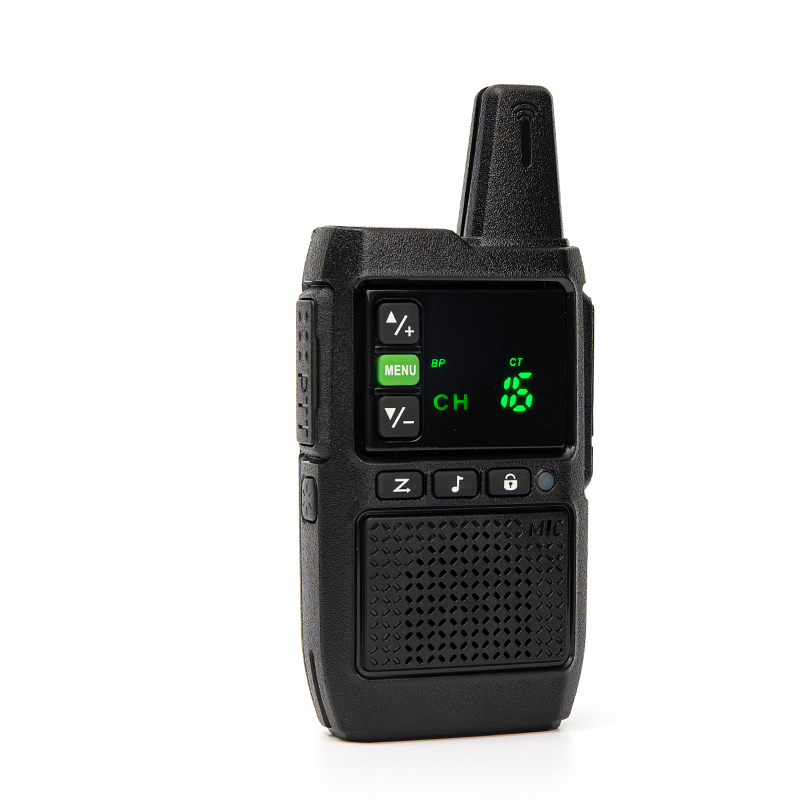
Demand ruggedness: IP67 or better for dust and water won’t be a luxury. Choose batteries rated for long cycles; prefer removable packs so a dead cell is a fast swap, not a disaster. Match frequency band to terrain—UHF for dense structures, VHF for open ground. Check transmit power: 4–5 W gives real range in handhelds, but remember walls and metal steal distance. Seek clear receive: a good receiver with narrowband capability and adjustable squelch cuts noise. Simple controls matter under pressure—large push-to-talk, obvious channel knobs, and an emergency alert button that works without menus.
Applications Where Silence Is Deadly
Construction sites at dawn. Night security rounds across a sprawling campus. Offshore platforms with thousands of tons moving underfoot. Event control in a crowd where cell towers choke. Warehouses where forklifts and compressed air make voices useless. These radios aren’t conveniences; they are lifelines. Each environment exaggerates different failures: water, impact, spectrum crowding. Choose for the worst moment, not for the quiet day.
Common Pitfalls and Mistakes
Buying range on marketing slogans. Ignoring licensing and local band plans. Overlooking chargers and spare batteries. Assuming a single antenna fits every job. Trusting indoor tests for outdoor performance. Neglecting accessory compatibility—vehicle kits, headsets, external mics. Forgetting maintenance: corrosion on connectors, worn knobs, and old seals kill reliability. Test gear under real conditions before you commit funds or lives to it.
Selection Criteria — A Checklist That Works
Start with environment: water, dust, impact. Confirm IP rating and MIL‑STD shock resistance. Pick band (UHF vs VHF) based on obstructions. Check power and battery life in hours, not claims. Verify channel capacity and whether the device supports narrowband where required. Insist on clear audio at distance—demand field demos. Ask about firmware updates and local service. Check warranty, spare-part availability, and accessory ecosystems. Finally, field-test with your crews during peak noise and true operational range—no lab miracles.
Alternatives and Trade-offs
Digital radios add clarity, data and encryption, but they can be costlier and harder to repair in the field. Smartphones and PTT over cellular help when networks stand, but networks falter in storms and mass events. Analog wins for simplicity, backward compatibility, battery life and predictable behavior under extreme stress. The practical approach: primary digital where spectrum and budget allow, with an analog fallback for hard failure modes. Keep the backup simple and tested.
Experience, Evidence, and Trust
Years of field work matter. I’ve deployed handsets across ports and plants, watching cheap sets fail at the first salt spray. Reports after major storms—most notably the communications collapse during Hurricane Katrina along the Gulf Coast—document the role of resilient radio gear in rescue and logistics. Practical guidance aligns with those lessons: keep simple, proven radio systems on hand. That’s why technicians still reach for a reliable analog radio transceiver when redundancy is the requirement and failure is not an option.
Final Synthesis
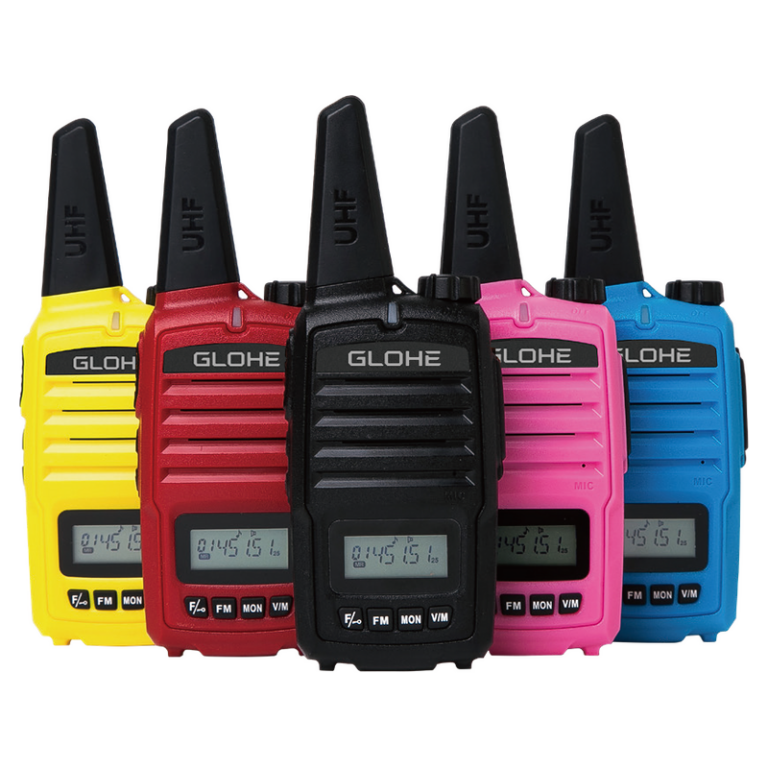
Pick devices that solve the real, sharpened problems you’ll face: water, impact, noise, and spectrum congestion. Test under the worst light, plan for spare power, and keep a simple analog fallback so silence never becomes the final answer. When the choice is made on these terms, a solid supplier like GLOHE becomes part of a dependable kit rather than a sales flourish—one link in the chain that keeps teams talking when the dark comes down.
