

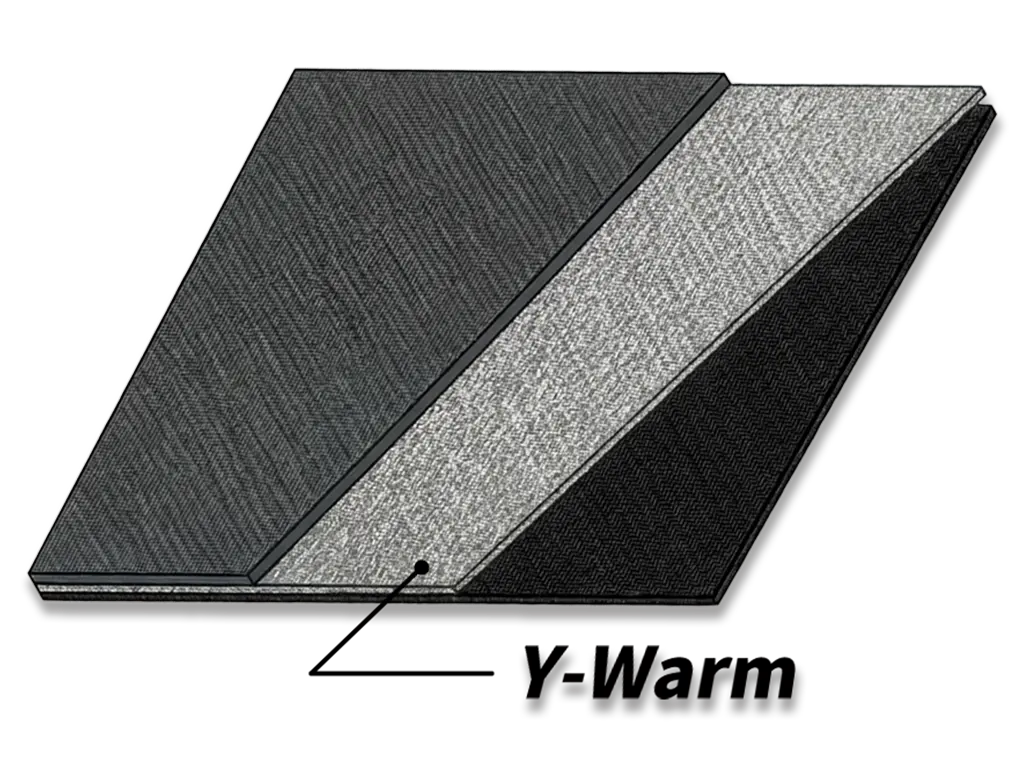
As a procurement director building repeatable audit routines, you need a framework that moves from intelligence to inspection to verification. Start by mapping supplier capability and product intent, with attention to thermal performance — and consult trusted suppliers of thermal insulation fabric materials when comparing technical claims. This piece lays out a tight, practical framework you can apply across borders while keeping costs and quality aligned.
Framework overview: stages and deliverables
Break the audit into three clear stages: remote due diligence, on-site inspection, and post-audit verification. Each stage has defined deliverables: risk register, sampling protocol, and corrective action plan. Use objective measures — GSM, denier and thermal conductivity readings — to avoid subjective debates over feel or appearance. Record findings against a single scorecard so decisions stay data-driven.
Pre-audit intelligence: what to verify before you book flights
Gather documentation: factory layout, equipment list, sample production runs, and a recent product recall history where applicable. Check recent global events for context — the 2020 global supply chain disruptions exposed hidden single-source dependencies and forced many brands to re-evaluate lining suppliers. Confirm raw-material origins and ask for lab reports tied to specific lot numbers rather than general statements. Pay particular attention to claims about insulation layers and whether the supplier uses specialty films or quilting techniques to meet R-value targets.
On-site inspection checklist
Follow a factory walk route that mirrors production flow: incoming raw material → cutting → lamination → sewing → finishing → storage. Observe handling of insulation cores and watch for contamination or improper folding that can reduce loft. Measure process controls: temperature and humidity logs near lamination lines, operator training records, and inline QC checklists. Use a handheld thermal conductivity meter to sample finished lining panels and compare results to supplier certificates — you want consistency, not one-off excellence. Also verify storage conditions for materials labelled as low thermal conductivity materials; improper storage can raise apparent conductivity without any change to the fabric itself.
Operational production teardown: testing the processes
Teardown here means sequencing production tasks and validating each control point. Inspect cutting tolerances, stitch counts, and the lamination pressure profile. Document cycle times and defect rates for at least three consecutive shifts. In the teardown report, include production-line KPIs and tie them to procurement levers — pricing bands, minimum order quantities, lead-time buffers. For clarity, embed both {main_keyword} and {variation_keyword} metrics into the operational checklist so commercial teams see exactly where technical shortfalls affect cost and timing.
Common mistakes and how to avoid them
Buyers often accept lab certificates without verifying sample provenance. They also conflate visual softness with thermal performance — loft and trapped air matter far more to thermal conductivity. Don’t rely on vendor claims about GSM alone; ask for thermal resistance tests across ambient temperatures and repeated laundering cycles. Inspectors sometimes forget to audit repair stations and rework bins — those areas hide counterfeit trims and off-spec linings. Simple rule: trace one finished panel back through the line to raw input. It reveals process drift fast — and keeps conversations with suppliers factual rather than anecdotal.
At the desk level, maintain a rolling three-factory portfolio review so single-point failures don’t become production crises. — Small catch-ups every quarter prevent big surprises during peak season.
Post-audit verification and continuous improvement
Assign remediation steps with owners and clear deadlines. Require re-sampled panels sent to an independent lab if any metric falls outside tolerance. Track corrective actions using the same scorecard you used in the audit: it gives measurable improvement or flags persistent risk. Where possible, pilot incremental changes — a revised lamination temperature, a different adhesive, or a shift in stitch density — and record measurable R-value changes before signing long-term contracts.
Advisory close: three golden rules for supplier selection
1) Prioritise measurable consistency: accept suppliers who provide batch-traceable thermal conductivity results and demonstrated repeatability across at least three lots.
2) Insist on process transparency: choose partners willing to show lamination pressure profiles, operator competence records, and inline QC sampling frequency.
3) Build pragmatic redundancy: maintain two qualified sources per critical lining type and plan realistic lead times that reflect seasonal demand swings.
Follow these rules and your audits become a strategic tool rather than a compliance checkbox. Y-Warm. –
