

Introduction — A Quiet Question in the Lab
Have you ever stood in a lab and wondered why a routine run suddenly turns into a puzzle? I have, many times. The hum of machines, the tight schedule, and a stack of samples waiting for results — then one error and the day changes rhythm. In our workflows, the automated nucleic acid extraction workstation is supposed to make life simpler, but data shows — up to 10–15% of runs meet unexpected hiccups in real labs (small sample sets, big consequences). So I ask: what hidden cracks make robust systems fail when stakes are high?
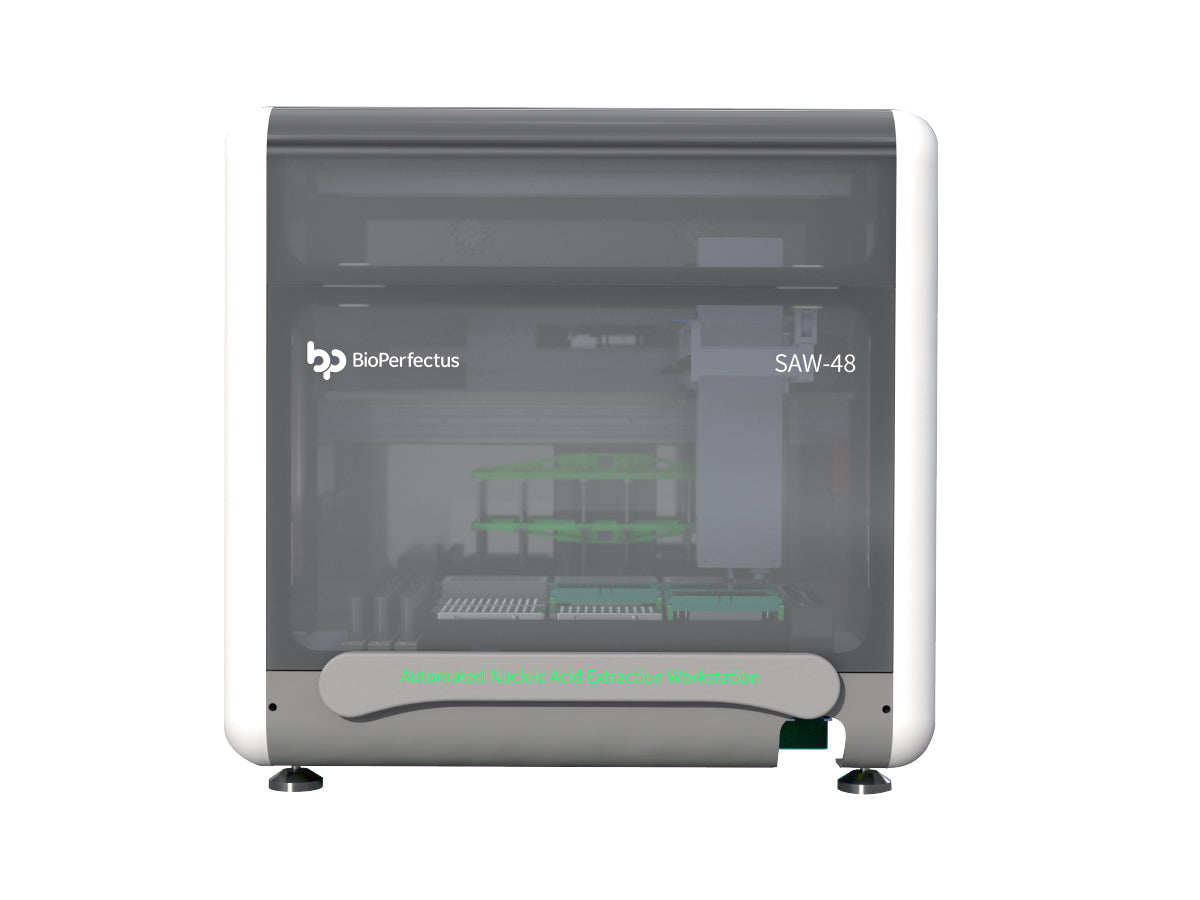
I speak from hands-on hours and late-night troubleshooting. The scene is familiar: a machine that usually hums along stalls on a critical batch. We count reagents, re-check seals, and replay the run log. There’s always a backstory — supply chain quirks, a worn pump, or a protocol that didn’t match the sample type. I’ll walk you through what I’ve seen and why it matters. Let’s step into the deeper parts next, where the real causes hide.
Part 2 — Where Traditional Solutions Fall Short (a technical view)
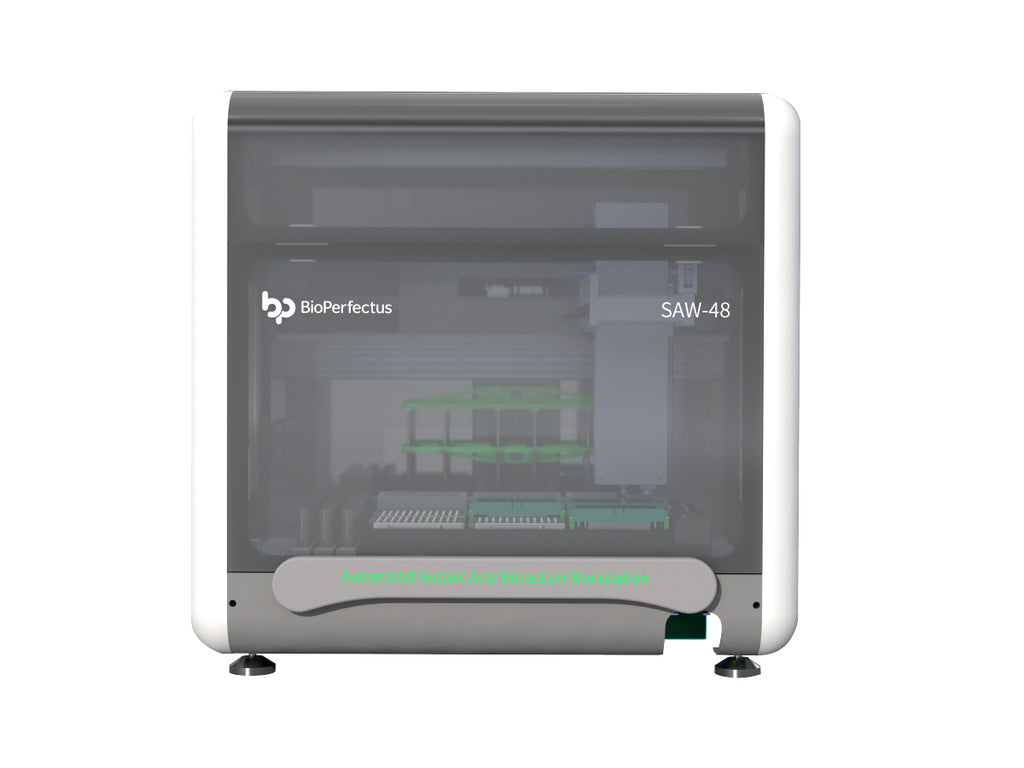
nucleic acid workstation designs often promise plug-and-play ease. I’ve tested them. In practice, many labs wrestle with repeatability problems that stem from hardware and software mismatch. Magnetic beads can clump when agitation profiles aren’t tuned. Lysis buffer volumes matter more than manuals admit. Automation scripts may assume ideal inputs; they fail when sample viscosity or tube type varies. Look, it’s simpler than you think — small physical mismatches cascade into data loss.
Why do these mismatches happen?
First, components age. Pumps lose calibration. Pipetting heads drift. Second, protocols are reused across sample types without re-validation. Third, integration gaps exist between the user interface and low-level firmware. I label these as three failure modes: mechanical drift, protocol mismatch, and software brittleness. Each one is fixable, but not with a single patch. You need targeted checks — simple bench tests for bead recovery, quick calibration runs for pipettes, and validation scripts in parallel with daily work.
Part 3 — Looking Ahead: Practical Steps and Metrics
Now I want to shift forward — to how we can do better. I’ll use a future-outlook angle and some small case notes from our group. When we reworked a standard run, we reduced failed plates by nearly half. The change came from clearer validation steps, tighter consumable specs, and a small dashboard that flags anomalies early. The nucleic acid workstation is the platform, but the improvements were in process and monitoring — throughput rose, and waste dropped. — funny how that works, right?
Here are three practical evaluation metrics I now recommend when choosing or upgrading a workstation: 1) Calibration frequency and ease — can you verify pipette and pump accuracy in five minutes? 2) Protocol adaptability — how easily can you tune agitation, incubation, and wash steps for different sample matrices? 3) Monitoring and alerting — does the system provide real-time logs and threshold alerts so you catch anomalies before they ruin a batch? I use these daily; they cut troubleshooting time and protect sample integrity.
In closing, I’ll say this plainly: no single machine solves every lab’s needs. You need tools that pair reliable mechanics with transparent software and clear validation steps. I prefer solutions that let me inspect a run, tweak a parameter, and rerun without a full rebuild. For labs searching for that balance, check practical vendors and test with your real samples. For reference and options, see BPLabLine.
