


Why this upgrade matters to you
If you run a moulding floor or manage production lines, the story’s simple — capacity, consistency, and less downtime. Modern LSR lines are built to answer those needs, and a lot of manufacturers find value in hybrid setups that include a c frame rubber injection molding machine for quicker changeovers and tighter tolerances. This is about making your shift output more predictable: shorter cycle time, stable shot size, and fewer scrap parts so supervisors can plan with confidence.

What modern LSR and c-frame setups deliver
Today’s systems combine precise injection control, automated material handling, and robust clamping force management. Expect thinner tolerances on seals and gaskets, repeatable cure profiles for complex geometries, and better energy use thanks to targeted hydraulic controls. The c-frame design gives easier access to the mold tool during maintenance and faster tool swaps — that reduces set-up time straight away.
How operators actually use these machines on the floor
Frontline teams appreciate machines that are simple to read and repair. Practical touches matter: intuitive HMI, modular feeders for LSR, and clear diagnostics for the hydraulic press. When a line trips, techs should be able to trace whether it’s a mold cavity issue, a material feed hiccup, or a pressure regulation fault without hunting through manuals. That clarity saves hours over a month — and those hours become extra throughput.
Common mistakes and how to dodge them
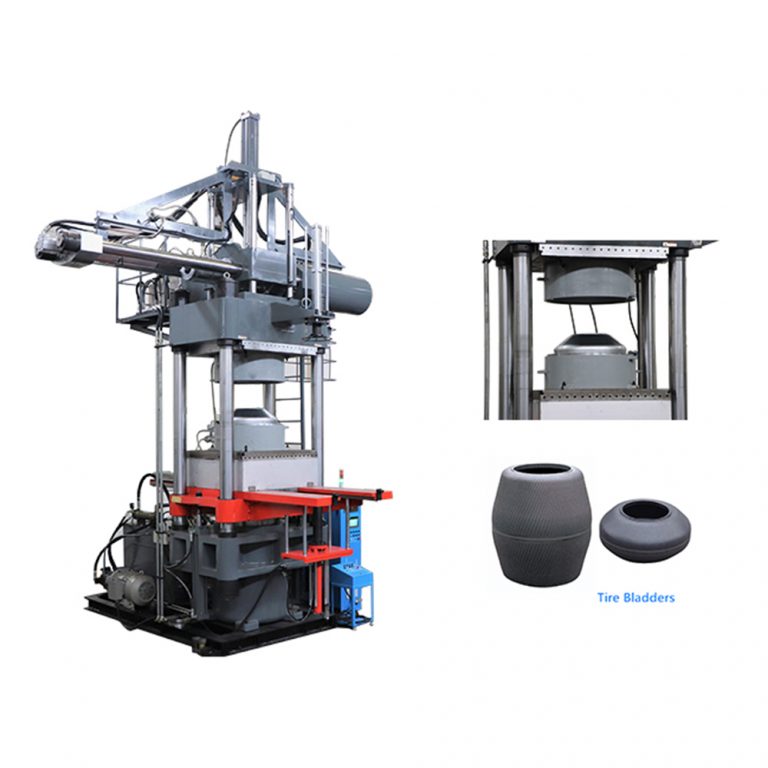
Factory folk often fall into the same traps. Over-spec’ing clamping force wastes energy. Under-investing in mould maintenance raises scrap. Skimping on process validation leaves you chasing variability. Fixes are basic: match clamping force to part geometry, schedule preventive mold checks, and log cycle time plus cure profiling daily. Also, pair the primary LSR setup with a reliable press — many teams combine lines with a c frame hydraulic press to stabilise transfer steps and reduce manual handling.
Real-world anchor: lessons from local automotive hubs
Look at South Africa’s automotive clusters — the Prospecton plant region is a solid example where suppliers tightened quality by standardising on LSR cells and c-frame presses to serve tier-one demands. When parts must meet automotive specs, process control and traceability become non-negotiable. Those sites track cure curves and machine hours, and use that data to predict maintenance windows. You can borrow that playbook: log key metrics and act on trends before failures escalate.
Operational tweaks that give the biggest wins
Small process changes often beat big capital moves. Reduce cycle time by trimming unnecessary dwell, optimise shot size for each mold cavity, and set preventive checks based on real cycle-hours rather than fixed calendars. Train operators on quick diagnostics — a trained pair of hands will spot a worn seal or odd pressure spike faster than waiting for a service ticket. — Sometimes the smallest fix is swapping a worn gasket before it causes a chain of rejects.
Summing up what works
Upgrade decisions should be grounded in what your people need: easier maintenance, faster changeovers, and measurable throughput gains. Modern LSR systems with c-frame ergonomics and the right hydraulic pairing reduce waste and stabilise quality. Implement logging for cycle time and shot size, and keep mold tools in top shape to protect output.
Three golden rules for choosing the right gear
1. Process stability metric: Choose machines that demonstrate consistent cycle time and tight shot-size variance under load — measurable over at least a week.
2. Maintainability score: Prefer systems where average repair time (from fault to running) is documented and supported by modular parts and clear diagnostics.
3. Throughput per footprint: Compare real parts-per-hour against the machine’s footprint and energy draw — this gives the truest return-on-floor-space.
For factories wanting a reliable partner that knits these elements into a practical solution, HWAYI shows how modular LSR cells and smart c-frame presses fit into real production lines — practical, no-nonsense, and built for the people on the floor. —
