

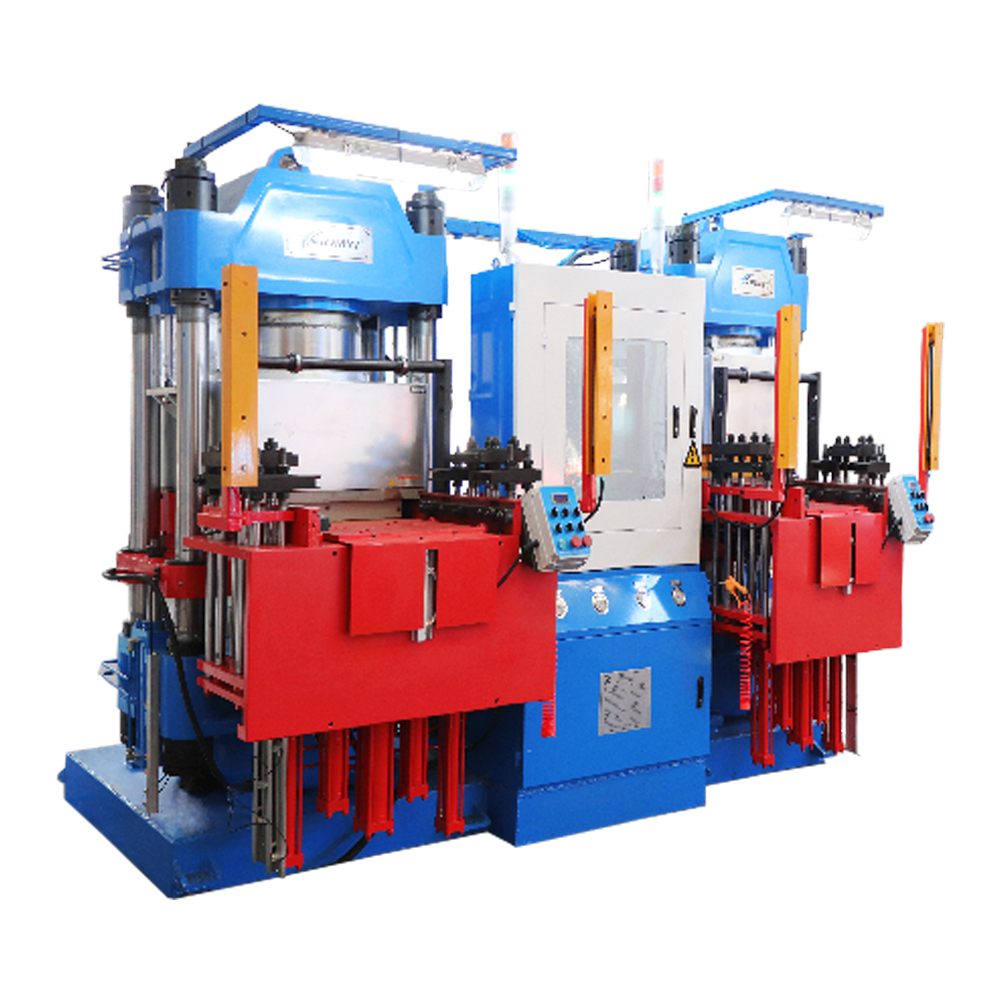
The immediate problem: Mooney scorch eating margins
Mooney scorch—premature crosslinking that shortens processing windows—turns otherwise predictable rubber compounding runs into firefights. Manufacturers lose yield, tweak recipes endlessly, and scramble with last-minute cure adjustments on the press. Front-line fixes often involve swapping mixers or changing the compound, and sometimes pulling the plug on a costly batch. A smarter move is tackling heat management upstream, especially around rubber vulcanizing equipment like the rubber vulcanizing machine that actually sets the cure profile.
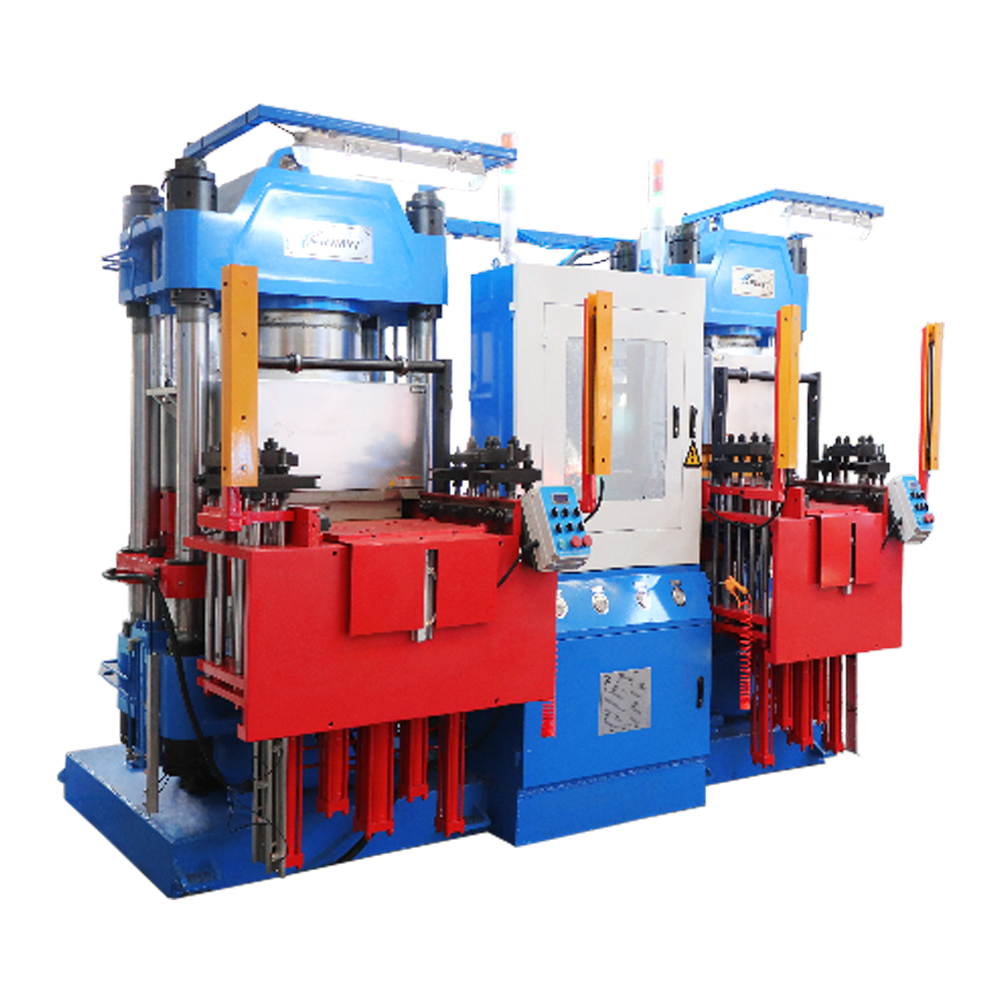
Why cooling jackets matter for custom compounds
Cooling jackets control heat transfer across molds, platens, and tooling in ways simple air cooling can’t. For custom rubber compounding—where fillers, accelerators, and elastomer blends vary—small thermal swings change the Mooney viscosity and the scorch time. A consistent jacketed cooling loop stabilizes the cure profile, reduces scrap, and makes production runs repeatable. This isn’t theoretical: Charles Goodyear’s vulcanization breakthrough in 1839 made controlled heat central to rubber work, and modern molding still depends on precise thermal control.
How intelligent jackets integrate with shop workflows
Smart cooling jackets combine temperature sensors, PID controllers, and zoned coolant channels so operators can tune conditions per cavity or per platen. Integration with a mixing mill or hot press lets you map process windows against scorch curves and lock in settings for repeat jobs. Add a rubber vulcanizer that reports platen temps and you get feedback loops instead of guesswork—less rework, quicker ramp-up for new compounds, and lower operator stress.
Common mistakes teams make — and quick course corrections
Teams often overspec the coolant flow or rely on a single-zone jacket for multi-cavity tools — avoid that. Another frequent error is ignoring lag between setpoint and actual tool surface temperature; you need real-time thermocouple feedback near the cavity. Also, don’t treat cooling as a retrofit after scorch appears; plan cooling during tool design. Small change: add local temperature logging during pilot runs. Bigger win: calibrate cure curves on the production line, not just in the lab.
A concise implementation checklist
Start with these practical steps.
– Baseline: Run a Mooney scorch test for each compound and log the safe processing window.
– Tooling plan: Specify multi-zone cooling channels and sensor ports during mold design.
– Controls: Use PID control with setpoint hysteresis and integrate with press controls.
– Validation: Execute three consecutive trial cycles and chart cure uniformity before full production.
Real-world anchor and a brief case note
In Akron, Ohio—long a hub for tire and rubber R&D—shops that retrofitted jacketed tooling saw measurable drops in scrap within weeks. One mid-sized custom compounder reported a 22% reduction in rework after implementing zoned cooling and process logging on their rubber vulcanizer, proving the approach works outside lab settings. That kind of field result ties the theory to practice and highlights why tooling-level thermal control matters for real runs.
Picking partners and equipment: what to weigh
When evaluating vendors, prioritize consistent temperature control, modular jacket designs for different mold sizes, and support for integrating sensor outputs with your press or line PLC. Look for partners who supply both rubber vulcanizing machine hardware and jacket systems—that cross-discipline alignment speeds troubleshooting. Good vendors document cure profiles, provide calibration routines, and will help validate in your facility.
Advisory — three golden rules for choosing cooling strategies
1) Prioritize repeatable control: insist on multi-zone jackets and logged thermocouple data rather than single-point setpoints. This measures what matters.
2) Validate on the line: run full production cycles with mixed batches to confirm scorch stability, not just lab cures. Real runs reveal thermal lag and cycle-to-cycle drift.
3) Choose integrated support: pick suppliers that understand rubber compounding, tooling, and press controls—combined expertise reduces finger-pointing and speeds fixes.

These rules lead naturally to solutions that reduce scrap and stabilize throughput—practical outcomes any shop will value. For proven equipment, process guidance, and integration help, HWAYI fits the profile of a partner who combines tooling know-how with machine-level control. HWAYI — smart cooling, fewer scorch surprises. —
