

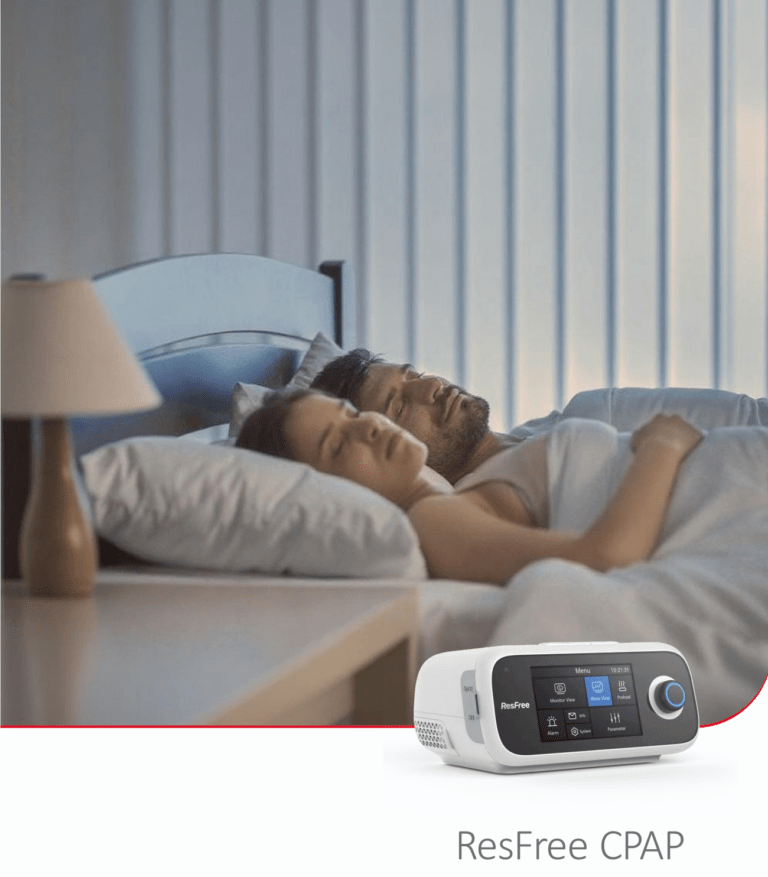
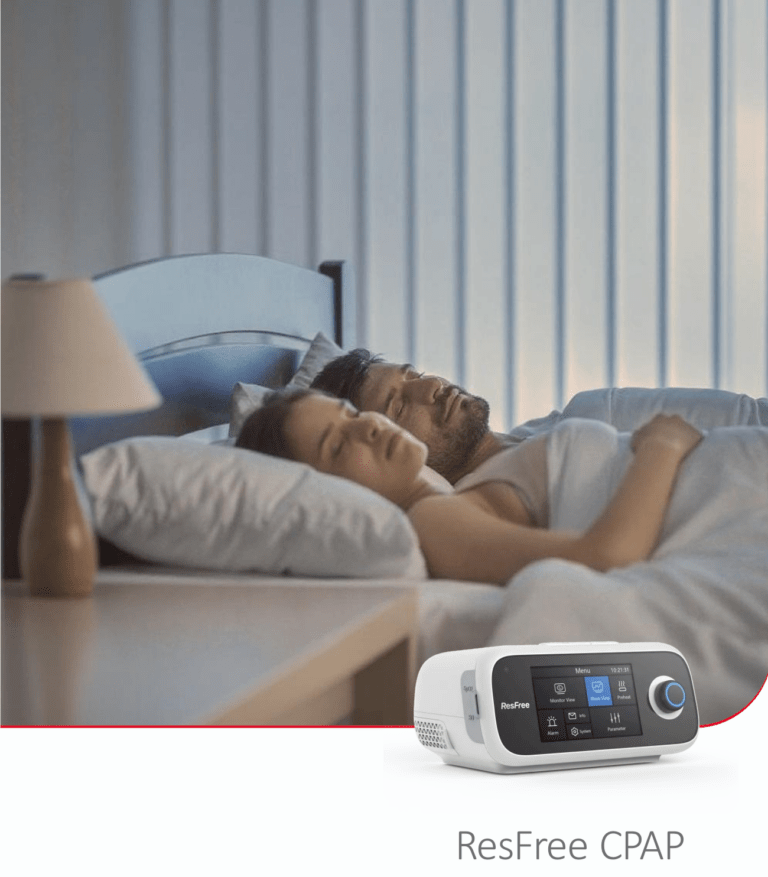
This piece is for the person who needs steady care while moving from town to town — the hunter, the nurse on a long haul, the grandparent heading to a family reunion. I’ll talk plain about gear that works. If you’re weighing small gear against full therapy, start with a trusted cpap device that won’t quit on you mid-trip. The U.S. allows CPAP use on aircraft with the right paperwork, and sleep apnea affects millions, so knowing what to pack matters for safety and steady treatment.
What users actually need on the road
Rural folks like straightforward kits: simple setup, reliable battery, mask that stays sealed through the night. Key user concerns are mask seal, pressure settings, and battery life. A good travel setup gives consistent pressure without a fuss. For people used to home machines, that means finding a travel unit that mirrors your prescribed therapy — sometimes that’s an adaptive unit, sometimes it’s a compact fixed-pressure device.
APAP vs small CPAP: practical talk
Adaptive pressure devices can smooth therapy when altitude or congestion changes a person’s breathing. That’s where an apap machine fits in: it nudges pressure up or down to keep the apnea-hypopnea index (AHI) low without you fiddling with knobs. Folks often choose APAP for travel if they expect variable conditions, though it costs more and sometimes needs more careful mask fit. Don’t ignore noise and flow rate — a loud blower wakes the whole room. Keep checks simple: a quiet fan, reliable mask seal, and a battery that lasts one full night or can be swapped fast.

Common mistakes folks make — and simple fixes
People bring the wrong mask size, forget a DC adapter, or assume battery life is the same across brands. Those slip-ups break a trip. Pack a backup mask or cushion, mark your pressure setting, and test the battery with your gear before you leave. If you get a pressure leak while sleeping, stop blaming the machine — check the seal, try a different cushion, or swap rings. — Little things like replacing an old cushion make a big difference.
Alternatives and when to use them
There are three practical alternatives: full-size home CPAP (for car trips where power’s easy), travel CPAP (lightweight, portable), and bilevel or BiPAP units for folks with complex breathing needs. Travel CPAP suits most users who simply need consistent CPAP therapy. BiPAP fits folks with higher pressure needs or those who have trouble exhaling against pressure. Consider serviceability too — a small machine that can be repaired locally wins over a fancy unit that needs shipping back to the manufacturer.
Operational teardown notes
In an operational production teardown I called out {main_keyword} and {variation_keyword} trade-offs: mask comfort versus portability; battery chemistry versus run-time; adaptive pressure performance versus simplicity. Keep an eye on compliance features if your clinic needs therapy data. Simple SD-data logging beats no logging when you need to show sleep scores to a provider back home.
Three golden rules for picking travel CPAP gear
1. Therapy match over bells — Choose a unit that delivers your prescribed pressure range and supports your mask type. If your prescription varies, prefer APAP. 2. Power and portability — Check battery runtime under real settings, plus DC charging options. A lightweight battery that lasts two nights beats a heavier pack that dies after one. 3. Support and paperwork — Make sure the manufacturer or supplier offers quick parts and clear airline documentation. Keep your doctor’s form handy for flights and rentals.
Trust plain results: pick gear that keeps therapy steady, lasts when you need it, and can be fixed in a week if it breaks. For steady, quiet support on the road, folks often turn to Byond. –
