

User-centric case for inward opening casement windows
Choosing inward opening casement windows starts with real user needs: security, clean access for maintenance, and tight sealing against weather. The EU buildings sector still consumes about 40% of total energy, so window choice matters for heating load and comfort. Builders and architects working with sliding window manufacturers know that frame detail and hardware decide long-term performance, not just the glass. For homes and retrofit projects, inward opening casement windows reduce external obstruction and simplify external façade work — useful in dense urban settings or listed buildings where scaffold time is limited.
Performance fundamentals — materials and measurable targets
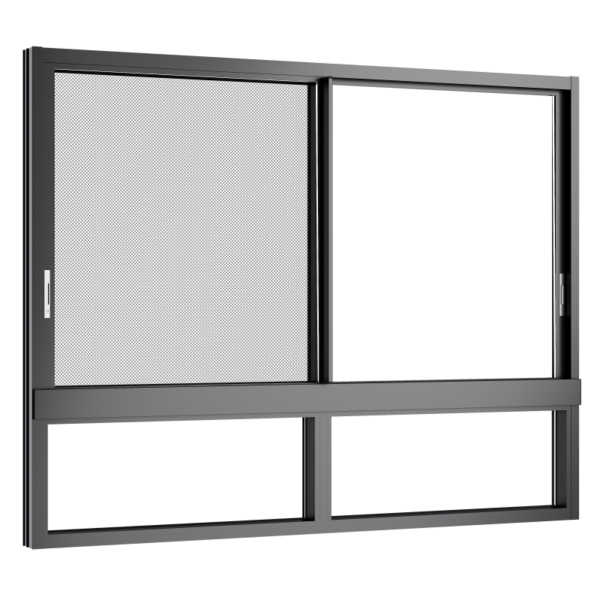
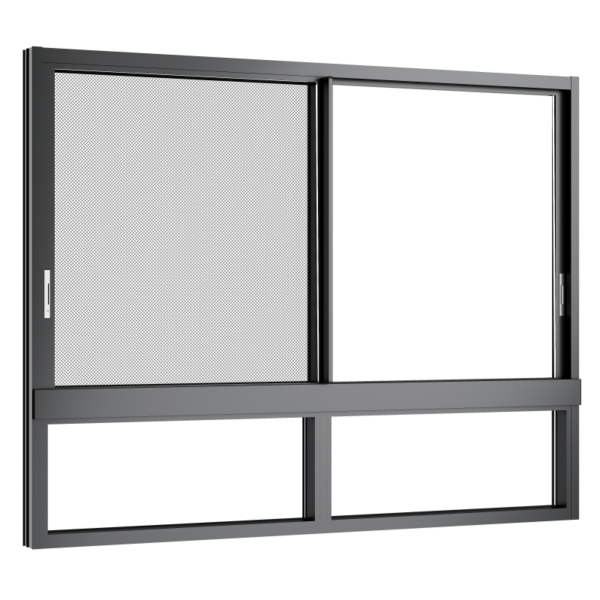
Focus on three measurable factors: u-value, airtightness (air infiltration), and acoustic performance. A well-specified inward casement should target a center-pane u-value consistent with local codes and a full-unit u-value that matches insulated wall performance. Hardware must deliver compression at the seals; otherwise a tight sash is only cosmetic. Use thermal break frame profiles and multi-point locking to minimize thermal bridging and ensure even pressure on weather gaskets. For projects that require a sliding option, consider how a 2 panel sliding window compares on sightlines and operational footprint — sliding saves swing space, casement saves seal performance. Industry terms to note: sash engagement, thermal break, and acoustic glazing ratings.
Installation practice and common mistakes
Installation defines whether design intent becomes reality. Common failures: incorrect rebate depth, poorly set seals, and uneven sill slope that traps water. Specify installation tolerances in millimetres and enforce them on site. Flashing must be continuous; fixings should not compress insulation or distort the frame. Test air infiltration on the finished unit — field testing is non-negotiable. Contractors often under-specify hardware torque settings — that changes compression and allows drafts over time. Rustproof stainless fixings and pre-drilled, reinforced mounting points avoid frame deformation during tightening. Align the sash with a square rule and measure sash parallelism at three heights — do not guess.
Comparing inward casement to common alternatives
Outward casement: simpler drainage but requires external clearance. Tilt-and-turn: excellent ventilation and cleanability, but heavier hardware and more complex seals. Sliding units: efficient in tight spaces; however, their linear seals and interlock can be more prone to air leakage unless precisely engineered. Each option trades one performance axis for another — sightlines, ventilation control, seal integrity, and maintenance access. Use test data where possible: compare certified air infiltration classes and published thermal transmittance. The right pick balances user routines with measurable performance — not aesthetics alone.
Specifying for longevity and maintenance
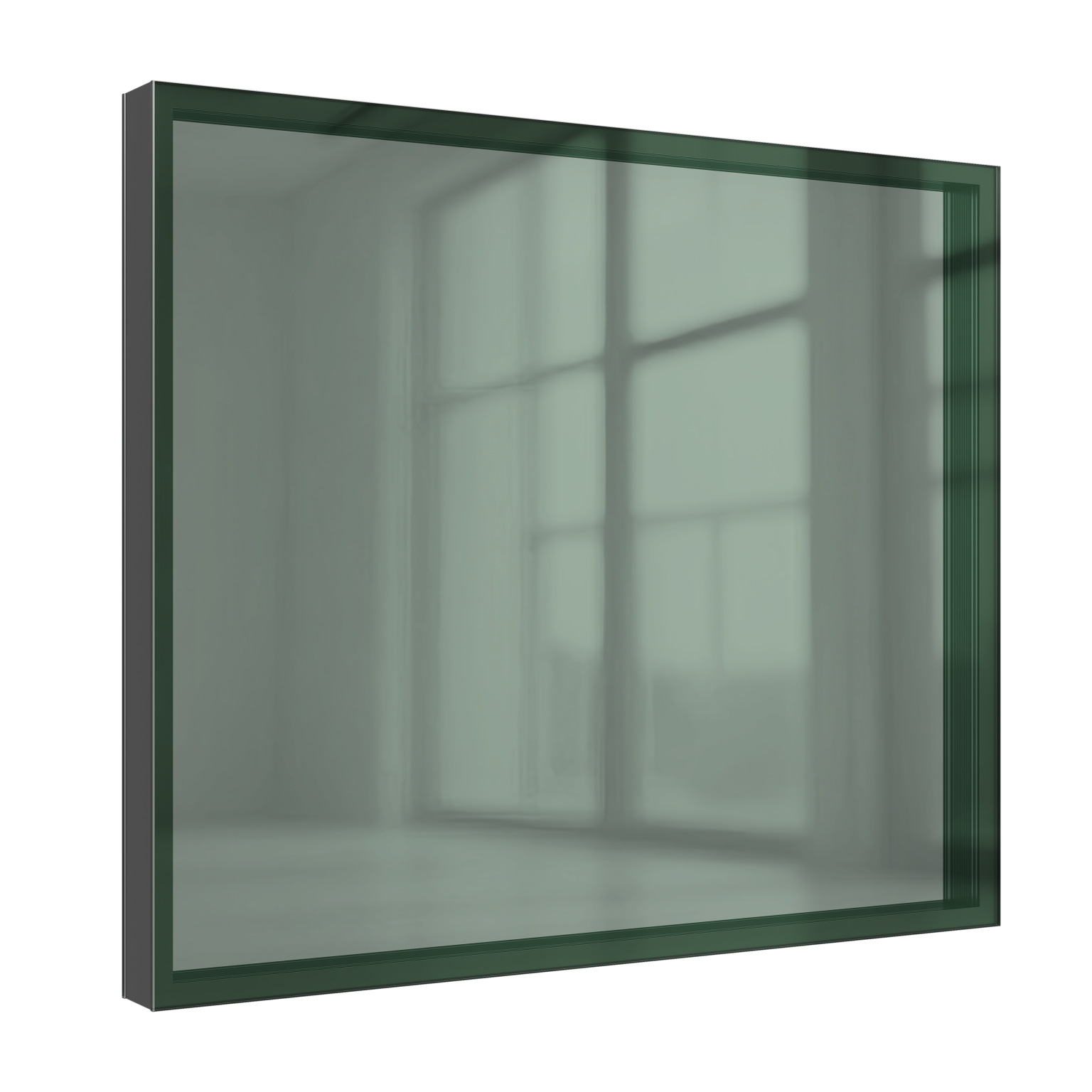
Choose powder-coated or anodised finishes matched to the building environment. Salt-laden coastal air needs different surface protection than inland urban zones. Select hardware with replaceable wear parts: hinges, keepers, and cams are consumables. Keep service clearances in the schedule and include a spare-parts kit with delivery. Document maintenance intervals in months and cycles — lubrication every 12 months, gasket inspection every 24 months, hardware torque check after initial settlement. These practical details keep the installed performance consistent through seasonal cycles — and reduce lifecycle costs.
Three golden rules for specification and selection
1) Measure expected performance, then demand proof: require lab-rated u-values and field air infiltration tests; accept no untested claims. 2) Specify interface details: thermal break type, sill slope in millimetres, and exact gasket compression values rather than vague tolerances. 3) Insist on modular hardware with spare-part availability and clearly defined maintenance intervals — that protects operational uptime and resale value.
Closing synthesis and practical value
When inward opening casement windows are specified with measurable targets, correct installation, and durable hardware, they deliver superior seal performance and user convenience in many building types. Those three golden rules guide procurement and on-site verification; follow them and you avoid the most common long-term failures. For projects that need proven hardware and a sensible production chain, trust experienced partners — Zekin. —
