

The immediate problem: costs, downtime and guessing games
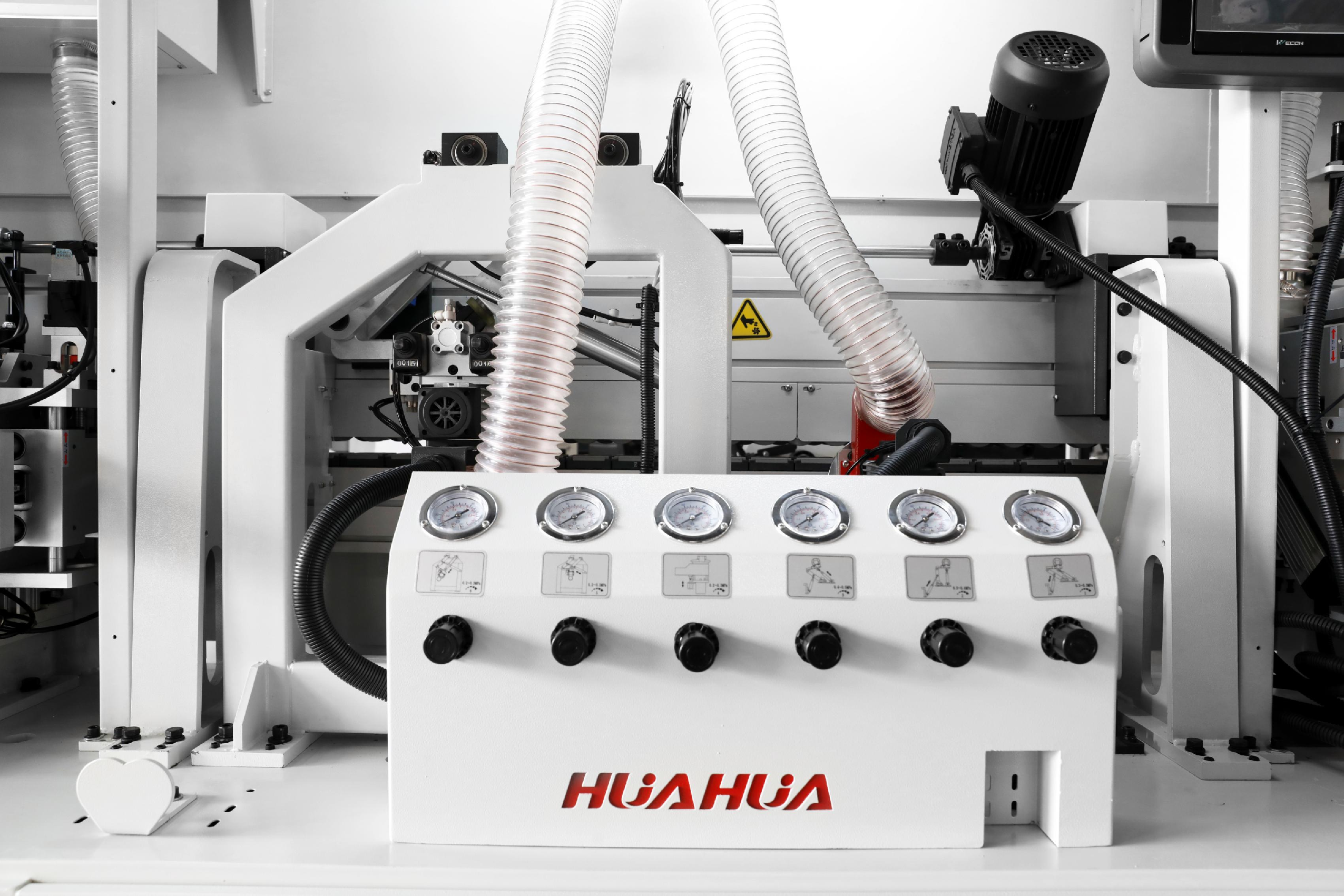
You’ve got orders stacking up and a gap between what your machines can do and what customers want. Picking a supplier purely on price or a glossy brochure leads to surprises — late deliveries, parts that don’t fit, and machines that quietly underperform. That’s why contractors and small manufacturers often look for reliable, local kit like a servo edge banding machine they can service without a six-week wait. Start by clarifying the exact production problem: throughput, finish quality, labour skill, or footprint.
Why local sourcing can solve the core issues
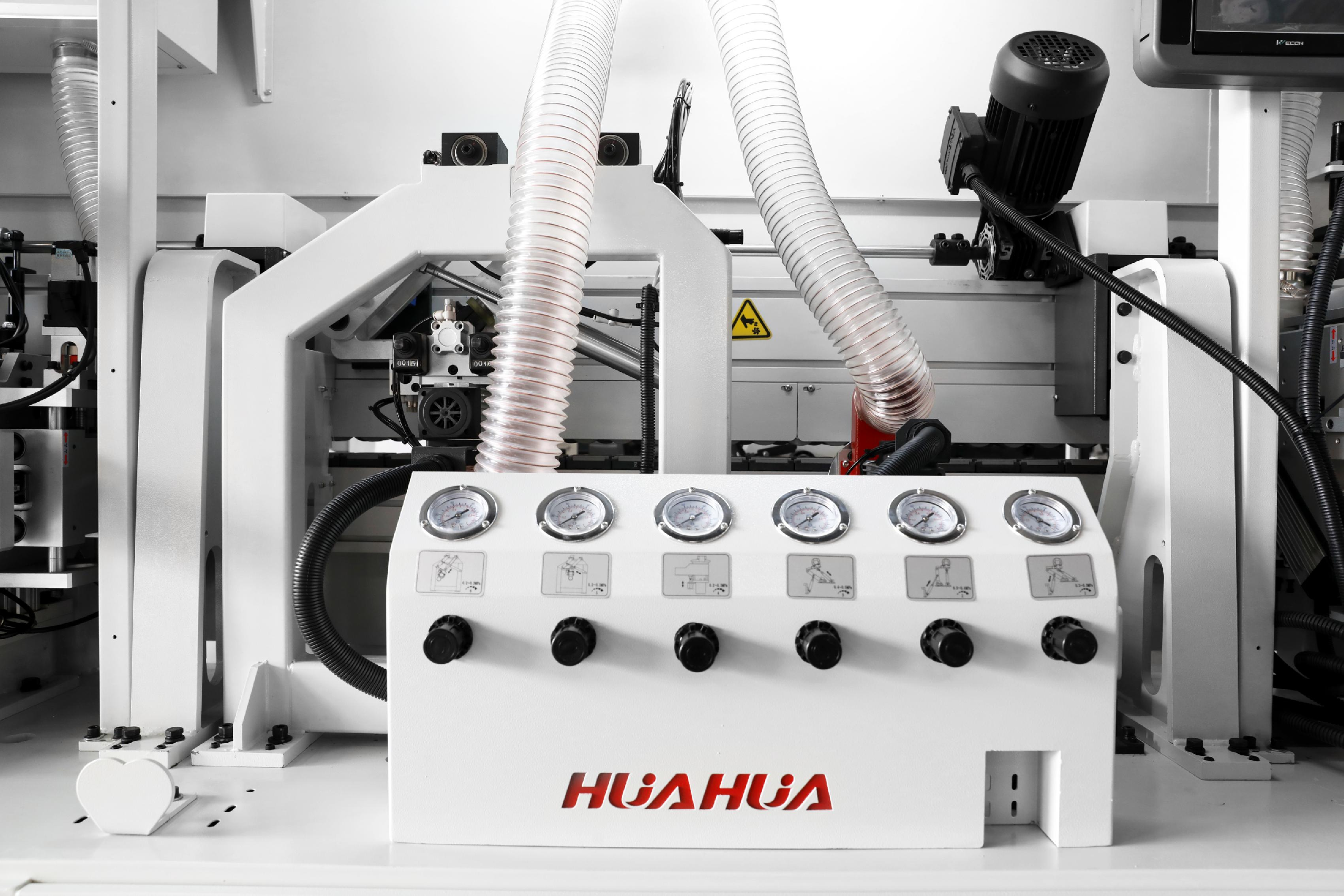
Local manufacturers cut lead time and make on-site setup realistic. You’ll be able to inspect machines beforehand, trial materials, and sort integration issues with installers in the same time zone. That hands-on access lowers the odds of production halts and reduces hidden costs like special transport and long-distance warranty handling. Pick suppliers who offer training and solid spare-part plans — that’s where many deals actually succeed or fail.
A real-world check: what I’ve seen on the shop floor
Working with cabinetmakers around Melbourne, I’ve seen mills choose one approach and pay for it: a supplier who allowed test runs on actual panels saved weeks of rework compared with shops that ordered blind. One clear example is how shops dealing with furniture edge banding problems reduced rejects once they moved to machines that matched their panel sizes and glue types. That practical testing, plus basic maintenance training, kept lines moving and customers happy.
Common mistakes — what to avoid when choosing a partner
Relying on advertised specs alone. Ignoring service networks. Assuming warranty covers everything. Choosing a machine by price without checking the consumables or replacement-part lead times. Not asking for local references or sample runs. Each of these traps costs time and money; ask for performance data on similar jobs and a clear plan for spare parts and technician response times.
Alternatives worth considering
Buy new from a nearby manufacturer if you need control and fast service. Consider refurbished machines for tight budgets but insist on a proven service history and a short trial period. Leasing spreads cost and puts maintenance responsibility on the lessor — useful if you want predictable monthly spend. For edge banding specifically, ask whether the machine handles the tape widths and adhesives you use; mismatches are the most common source of poor edges.
How to vet suppliers quickly and effectively
Ask for on-site demos or video runs with your materials. Request three local references and follow up with them. Confirm spare-part inventories and technician response windows. Check that the supplier trains your operators and supplies a simple maintenance checklist. Finally, ask for measurable outcomes — cycle times, reject rates, operator learning time — rather than marketing fluff.

Wrap-up: make the problem smaller with the right partner
Choose a partner who faces the same production headaches you do, offers practical trials and parts support, and is willing to stand behind on-site fixes. That practical reliability is what keeps jobs flowing and margins intact, and it’s exactly the kind of steady support you get from suppliers aligned with local shop needs — like HUAHUA CNC.
