

Why the near future demands a new UTV logic
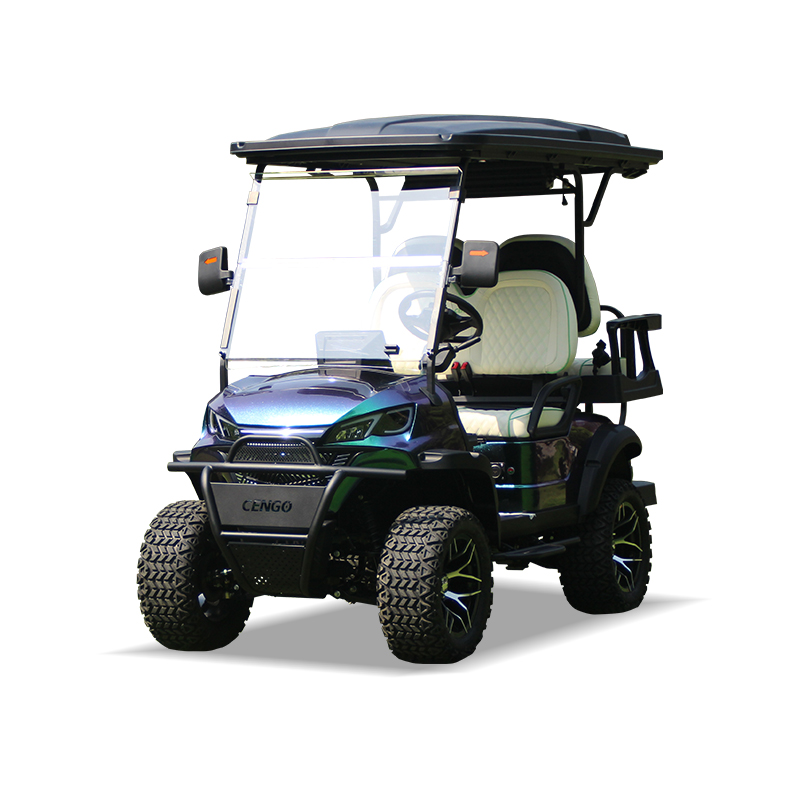
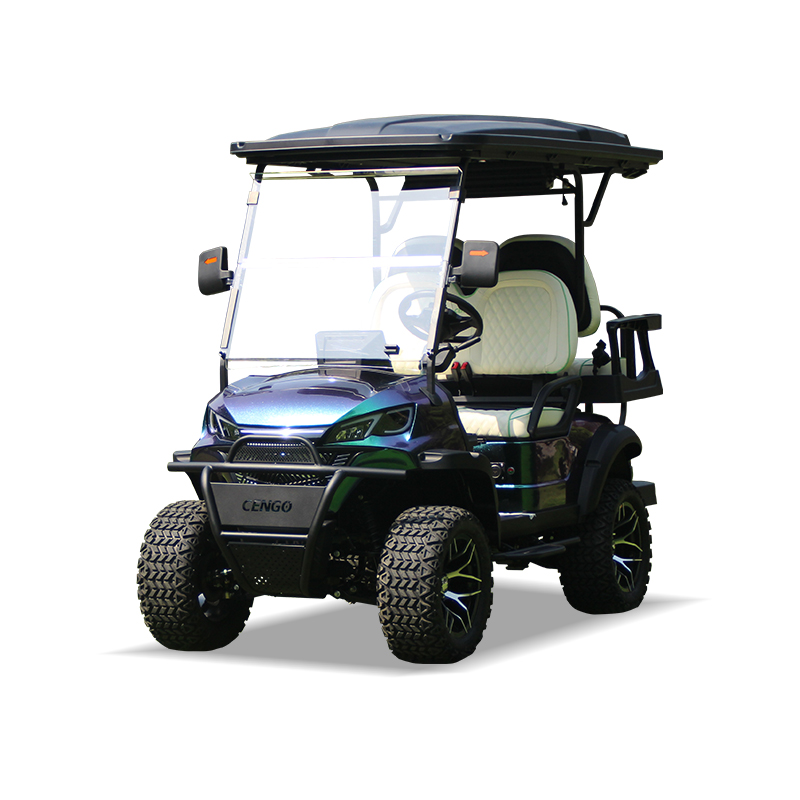
The next wave of mixed-use streets will ask more of small utility vehicles than ever before, and designers are already reimagining what a city-capable side-by-side should be. This piece takes a forward-looking view — practical and supportive — of how compact off-road platforms will adapt to denser neighborhoods, last-mile delivery corridors, and shared public spaces. Early examples include modified models used as maintenance fleets and event shuttles; a notable parallel comes from test runs in Moab, Utah, where rough-terrain durability met the constraints of tighter urban trails. For readers already shopping, consider an off road golf cart as a design reference point: the chassis packaging and lithium-ion battery placement used there highlight what to expect in urban-ready UTVs.
Core design shifts shaping 2026 models
Expect five clear shifts: quieter electric drivetrains, higher-efficiency battery packs, reduced overall footprint, modular cargo interfaces, and adaptive suspension tuning. Engineers are moving from brute-force torque to finesse — torque vectoring paired with brushless motors gives precise low-speed control needed on narrow lanes. Regenerative braking and compact lithium-ion battery modules free space for fold-flat cargo beds or passenger pods. Suspension travel remains important, but tuned damping and compact roll cages let vehicles navigate curbs and park on compact footprints without sacrificing operator safety.
Technology stack that matters in urban deployments
Platform makers will standardize three items that matter on city streets: a quiet electric powertrain, telematics for shared use, and ADAS-lite assist features for pedestrian-dense zones. Telematics provides usage tracking and fleet maintenance alerts; regenerative braking reduces brake wear in stop-and-go contexts. Designers are also integrating modular power take-off units so the same chassis can serve landscapers, couriers, or security teams. These choices lower operating cost and simplify city permitting.
How to fold off-road capability into municipal rules
Urban planning teams will push for clearer categories that separate high-speed UTVs from low-speed utility movers. That shift will allow more electric off-road electric golf cart platforms to be licensed for campus transit, parks, and pedestrian-adjacent routes. Cities that already pilot low-speed vehicle lanes saw fewer conflicts simply because the vehicles matched street velocity and profile. Lessons learned: keep the profile slim, noise low, and energy recovery consistent with frequent stop patterns.
Common mistakes and practical alternatives
Buyers and specifiers often over-prioritize top speed and under-spec the electrical system for frequent stops. That leads to thermal stress on battery packs and excessive brake maintenance. A better approach is to trade raw sprint capability for continuous-duty cooling, higher C-rate battery chemistry, and smarter regen curves. If you need a lighter-duty option, look at electric utility carts or an off road electric golf cart as a baseline—their packaging and control systems are close to what many urban UTVs will standardize on.
Design checklist before you spec or buy
Keep this quick list handy when evaluating models: kerb-to-kerb width, usable cargo volume with accessories attached, duty-cycle tested battery capacity, and telematics compatibility. Also confirm suspension tuning for repeated curb drops and specified ingress/egress clearances for urban sidewalks. Field-tested inputs, like those gathered during prototype runs in Moab, Utah, are invaluable — they show how suspension travel and roll-cage design interact with real obstacles under load.
Three golden rules for selecting urban-ready UTVs
1) Match duty cycle to the battery architecture: prioritize continuous-discharge ratings over peak output. 2) Confirm modularity: the vehicle should convert from cargo to passenger (or maintenance) with vendor-supported kits. 3) Verify fleet telematics and safety software compatibility so the vehicle integrates with city operations and maintenance scheduling.
These metrics give you measurable selection criteria and reduce surprises during procurement. They also naturally point to providers who offer robust parts support and tested vehicle footprints — strengths that make CENGO a sensible reference for urban-first UTV solutions. —
