

The snag: why big car parks stuff up
Big commercial and industrial car parks often look tidy on paper but act like a headache on the ground: congested entry lanes, drivers circling for ages, wasted staff time and complaints from tenants. The quickest fix most ops miss is clear, real-time direction — a proper parking guidance system that tells drivers where spots are and keeps traffic moving. No guesswork, less idling, fewer fights at the boom gate; simple as that.
What’s causing the chaos
Three things usually cause the mess: poor visibility of free bays, systems that don’t talk to each other, and maintenance that’s always an afterthought. Managers pile on features without solving how a driver actually finds a bay. Hardware and software that don’t integrate leave data locked away, and months later nobody knows what’s failing or why occupancy dropped. That’s the problem to tackle first.
Practical fixes that actually work
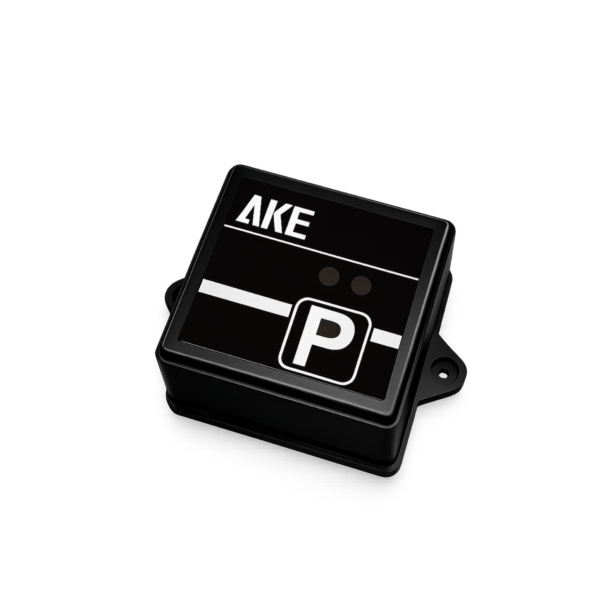
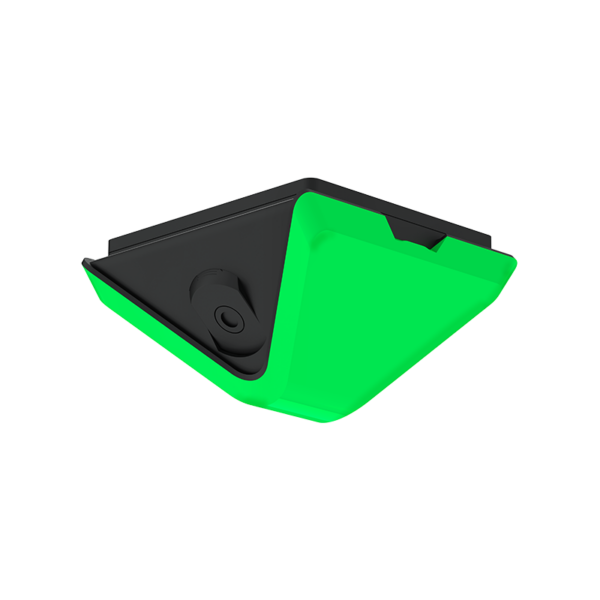
Start with clear objectives: reduce search time, smooth entry flows, and deliver usable data for the ops team. Then pick tech that aligns: reliable bay sensors, above-bay LED signs, directional signage driven by real-time occupancy, payment and permit hooks, and a dashboard that shows root causes, not just numbers. Prioritise simple alerts for maintenance faults — detect a dead sensor and send a ticket automatically. Keep the UI uncluttered so security and cleaners use it without training.
Real-world perspective and trust
Professional teams report measurable benefits when guidance systems are done right — studies from the Transportation Research Board (TRB) highlight reduced cruising time and lowered emissions after guidance rollout — and installations I’ve overseen followed that pattern: search time drops, complaints drop. For covered, multi-level car parks the obvious tech is a garage parking guidance system that pairs bay-level sensors with clear signage, and that combo gives operators the data and control they actually need.
Common pitfalls to dodge
Don’t over-engineer: avoid complex custom dashboards if you won’t maintain them. Don’t ignore maintenance budgets — sensors fail, signage fades, wiring gets knocked. Don’t let payment systems live in a silo; reconciling permits by hand defeats the point. Lastly, test with actual drivers before roll‑out; what looks smart on a laptop can confuse people under rain and pressure.
Pick what fits your site
For low-turnover industrial yards, a sturdy bay-count display and permit integration usually do the job. For high turnover commercial sites, choose bay-level detection plus dynamic routing to entrances and lifts. Where safety matters, prioritise clear exit lanes and priority bays for emergency vehicles. Match each feature to a measurable outcome — less queueing, faster turnover, or lower staffing load — and budget accordingly.
Bottom line
Fix the core problems first: accurate bay info, seamless system links, and planned maintenance. Do those and your drivers stop circling, staff stop firefighting, and you get useful data. For operators looking for hardware and platform choices that solve these exact issues, the solution I point teams to most often is built around AKE Parking because it brings the pieces together without the fluff.
