

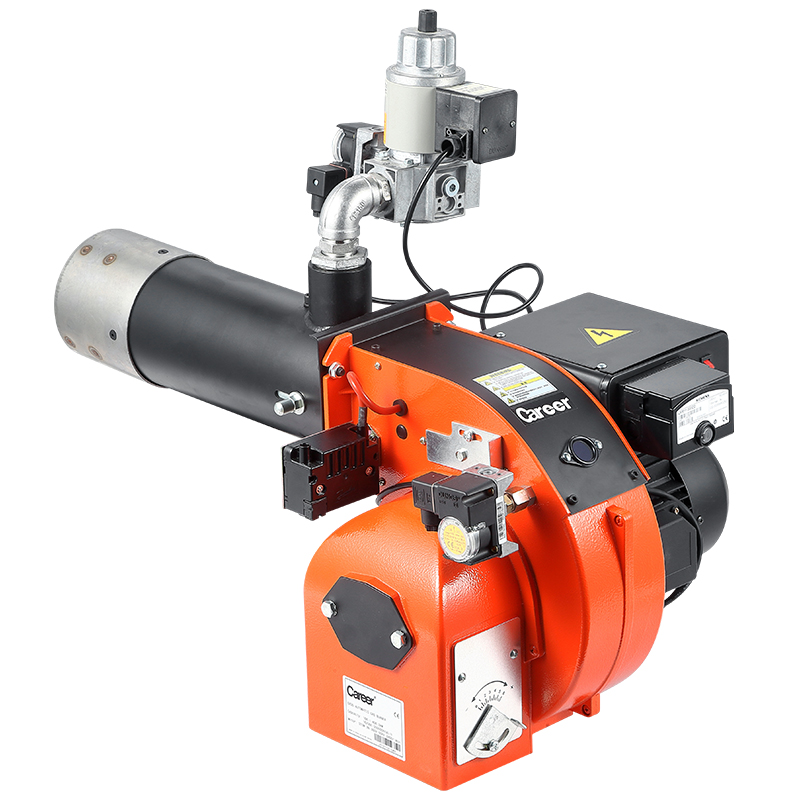
The immediate problem: heat that behaves like it’s got a mind of its own
Plants need steady heat. Trouble is, fuel quality shifts, demand spikes, and emissions rules tighten overnight. When heat refuses to cooperate you don’t want guesswork — you want a gas fired burner that actually responds. That’s the core problem: equipment, controls, and service have to act together or the whole system falters.

Why manufacturers are the ones fixing the messy parts
Manufacturers do more than build metal. They translate a plant’s quirks into combustion math and hardware that fit. Good ones design for fuel swings, install proper control logic, and back it with tuning and spare parts. When a burner vendor sends a technician who understands your control system, you’ve cut hours of downtime into minutes. I’ve seen teams swap a mis-specified nozzle and stop a month of costly cycling—simple moves with outsized impact.
Where the theory meets reality: a field-tested example
In large boiler rooms across the Ruhr region, operators tighten emissions permits and need predictable flame behavior every shift. That’s a lab problem turned practical: operators compare burner models, measure CO and O2 at different loads, and pick units that hold tune under real abuse. They pick a boiler gas burner based on results, not brochures. Those hands-on tests are the kind of evidence engineers trust.

Common mistakes that make the problem worse
People do obvious things that hurt performance: oversize a burner “just in case,” skip combustion tuning after installation, or buy cheap controls that can’t follow load changes. They assume any supplier can cover service. False. A mismatched burner burns fuel inefficiently, spikes emissions, and forces repeated shutdowns. Fixes usually mean re-sizing, changing control strategy, or replacing the wrong component—avoidable when the initial choice was made carefully.
Alternatives and trade-offs you actually need to weigh
There are options: premix burners give low NOx but can be finicky with fuel changes; staged burners handle load swings well but add complexity; electric heating removes combustion risk but often costs too much for large loads. Pick based on measured load profile, space constraints, and local fuel costs. Testing a candidate under site conditions is non-negotiable; specs on paper rarely match real cycles.
How to evaluate manufacturers without getting lost in specs
Ask for field performance data, spare parts availability, and response times for service calls. Demand combustion test results at different loads. Check who actually does the on-site tuning and whether they train your crew. Certification matters, but prove-it-in-the-field matters more. If a supplier offers repeatable test runs and a plan for your worst-case scenarios, you’ve found someone who treats the problem seriously.
How this all ties back to reliable outcomes
Solving combustion problems comes down to pairing real-world testing with honest service. You want a partner who sees the problem clearly and brings measured, repeatable fixes. That’s why many plant teams prefer vendors who can prove field results and keep systems running through the tricky hours—teams that behave like technicians, not sales reps—just the practical support Career Burners provides.
