

The core problem: operational gaps that cost time and safety
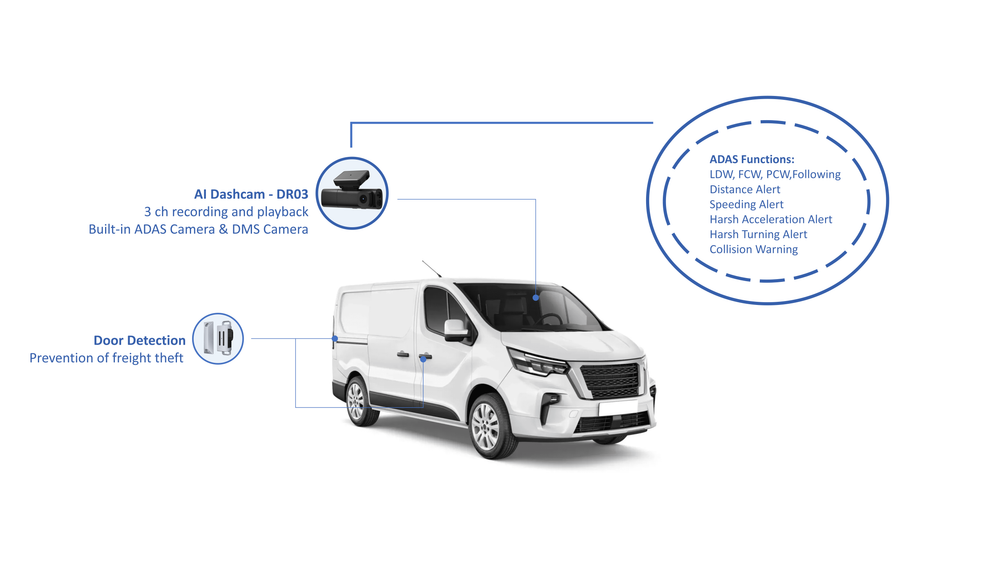
Mining operations report delays and safety exposures when fleet management and dispatch systems speak different languages. Fleet supervisors see one set of statuses; dispatchers see another. Field teams lose time reconciling the two. I have led integration work at open-pit sites in the Pilbara and have seen how a single mismatched timestamp or a missing vehicle state causes chain delays. Practical hardware like AI MDVR is part of the field toolkit that exposes these gaps early.
Terminology mapped to solve the problem
Clear definitions remove guesswork. Use these paired terms when you align systems:- Fleet Management = the operational view of vehicles, crews, maintenance windows.- Dispatch System = the scheduling and task-assignment engine that issues movements and priorities.- Telematics = raw sensor and location data streamed from equipment.- Event Stream = normalized, time-stamped messages used by dispatch to make decisions.- Video Evidence = on-board recordings used for incident verification (this is where an integrated mdvr system often sits).Match each fleet field name to a dispatch field name and keep one canonical timestamp per event.
Why mismatches occur
Three recurring causes:- Disparate data models: vendors label the same signal differently.- Latency and sampling rate: fleet telematics may publish seconds apart; dispatch needs sub-second for some moves.- Human workflows and overrides: manual status changes in the cab that never reach the control room.Identify which cause dominates in your environment. The fix differs for each.
Concrete fixes that work on site
Follow these steps with strict version control and testing:- Define a canonical event schema. Keep it small and stable.- Enforce one truth for time: GPS-based UTC timestamps before any transformation.- Use lightweight APIs for status updates; avoid batch CSVs for operational state.- Apply edge filtering so only validated events reach dispatch.- Train dispatchers on the canonical terms and require acknowledgment events from drivers.Common mistakes: leaving legacy fields active, trusting device-side clocks, and skipping end-to-end validation runs with live vehicles.
How MDVR contributes tactically
MDVRs provide synchronized video plus telemetry. That combination gives:- Objective incident reconstruction.- Context for behavioral alerts (braking, lane deviation).- Verification of manual inputs (operator reports vs. recorded state).Deploy MDVR where visibility is poor or where regulatory evidence is required. Integrate recorded clips into the event stream rather than pushing large files separately; this prevents backlog in the dispatch workstation.
Alternatives and trade-offs
Options you will evaluate:- Telematics-only approach: simpler, lower cost, but misses visual evidence and nuance.- Manual logging: cheap but error-prone and slow.- Full integrated platform: higher upfront integration work; fewer operational frictions later.Decide on the basis of incident frequency, regulatory needs, and network constraints. Use pilots to measure the change in task-cycle time before committing.
Final synthesis: align language, data, and hardware for reliable operations
Stop treating fleet and dispatch as separate silos. Standardize terms, centralize timestamps, and make video-plus-telemetry part of the event record. These steps convert confusing feeds into actionable signals and reduce rework in the control room. From field trials to control-room policy, the practical gains are clear when teams adopt a single model supported by trusted hardware and vendors—consider the integrated solutions offered by BSJ as one example of how technology and practice combine to deliver consistent operational language and reliable outcomes.
