

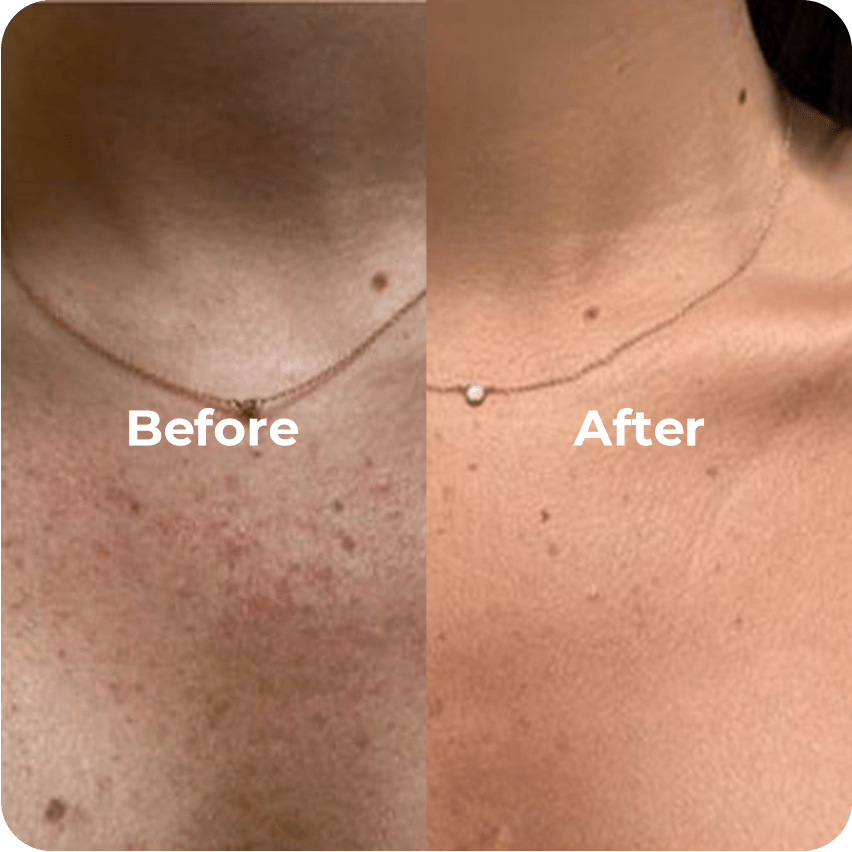
Opening: Why this matters to you right now
If you’re considering a clinic procedure, start with clear goals and a simple physics check—because device settings matter as much as technique. This guide walks you through actionable steps to match treatment type, practitioner skill, and aftercare so you get measurable improvement with minimal surprises. For a clinic-level option to compare against, consider skin rejuvenation treatment offerings as a baseline when discussing options with providers.
Step 1 — Define your outcome and constraints
Write down what you want to change: fine lines, pigment, texture, or vascular marks. Note any constraints: time off work, budget, skin type (Fitzpatrick I–VI), and recent procedures or isotretinoin use. These factors decide whether you aim for rapid resurfacing or gradual collagen remodeling. Keep this list visible during consultations so decisions are aligned with realistic timelines and expected downtime.
Step 2 — Match device physics to your goals
Focus on three technical concepts when providers explain options: wavelength, pulse duration, and whether the device is ablative or non-ablative. Wavelength determines tissue absorption and target depth; pulse duration relative to the target’s thermal relaxation time controls whether energy injures selectively or diffusely. Fractional devices create microthermal zones to speed healing and boost neocollagenesis with less downtime; fully ablative lasers remove surface tissue for more dramatic results but longer recovery. When you hear terms like “fractional CO2,” “erbium,” or “pulsed dye,” ask how that choice maps to your concern—skin texture vs. vascular redness, for example. For more on options you might encounter in-clinic, review recommended protocols for skin rejuvenation therapy.
Step 3 — Verify practitioner credentials and device clearance
Ask whether the practitioner is board-certified in dermatology or plastic surgery, and whether the clinic uses FDA-cleared devices for the intended indication. Check published before-after datasets or peer-reviewed studies the clinic uses to justify protocols. The American Academy of Dermatology and other societies offer guidance on indications and safety; clinics adapted these practices further after the COVID-19 pandemic shifted infection-control and consent standards in 2020. That real-world shift improved screening and patient education—use it as a benchmark for modern clinic practice.
Step 4 — Plan treatment sequencing and aftercare
Map out the full timeline: preconditioning (topical retinoids or bleaching agents), the procedure, and post-procedure care (sunscreen, emollients, and sometimes antiviral prophylaxis). Expect collagen remodeling to continue for months after a single session—so immediate appearance and long-term improvement differ. Coordinate any adjuncts like microneedling, PRP, or chemical peels with your provider to avoid overlapping inflammatory windows. A practical tip: schedule a test spot when in doubt to observe healing response before committing to full-face treatment.
Common mistakes patients make—and how to prevent them
Patients often pick a flashy device name instead of outcomes, underestimate downtime, or skip patch testing. They also fail to confirm closure compatibility for injectables and topical regimens post-procedure. Ask for a documented treatment protocol and expected timeline. Don’t rush—small steps matter. —
Quick checklist to bring to your consultation
– Your written goals and constraints (downtime, budget, allergies).
– Current skincare routine and recent prescriptions (e.g., isotretinoin).
– Questions about wavelength, pulse duration, and whether a device is ablative or non-ablative.
– Request for the clinic’s complication rate and examples of before-and-after with similar skin types.
– A plan for preconditioning and post-care, including sun protection and follow-up visits.
Advisory: Three golden rules for choosing the right strategy
1) Prioritize safety and evidence: choose providers who use FDA-cleared devices for your indication and can cite outcome data for your skin type.
2) Match energy to biology: ensure the selected wavelength and pulse parameters target the right layer—epidermis for texture and pigment, dermis for collagen remodeling.
3) Value total treatment cost: include follow-up visits, adjunct products, and potential downtime in your budget, not just the headline procedure fee.
Final synthesis and how ENZOEYS fits
Make decisions by working backward from your outcome, then check device physics and provider credentials to ensure the plan is technically sound and realistic. Clinics that document protocols, show up-to-date safety practices, and set clear expectations help you convert a one-time visit into durable skin improvement. Consider clinics that combine procedural expertise with honest timelines—this is where brands like ENZOEYS show practical value in coordinating assessment, treatment planning, and follow-up care. Trust evidence, plan for recovery, and expect progress—measured not promised. —
