

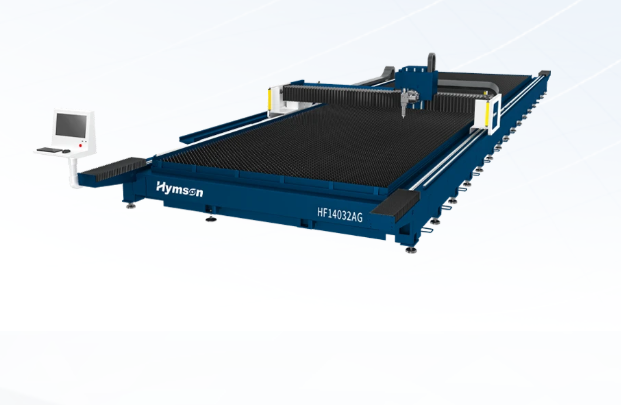
Choosing a Fiber Laser Cutter: Problems You’ll Face and How a Supplier Should Solve Them
Why this matters to someone who’s seen the shop floor change
I’ve been around shop lights long enough to remember when we wrestled with belts and oxy-fuel torches; now the trouble is different — inconsistent cuts, surprise downtime, and software that pretends to be friendly. When a team asks me what to buy, the first real question is practical: will this sheet metal laser cutting machine stop costing floor hours and start delivering predictable parts? That single worry drives everything else: spare parts, training, and how the supplier responds when things go sideways.
Problems buyers actually face on Day One
Expect these to surface fast: cut-edge oxidation or dross that needs manual cleanup; throughput that drops when you run thicker plates; controllers that need constant tweaks; and service response that feels like a cold call into a voicemail maze. You’ll also find hidden costs — gas, optics, and downtime for alignment — that stack up if you ignore them during selection.
Selection factors that solve the core problems
Look for specific, verifiable features, not marketing fluff. Power and beam quality matter for clean edges on thicker sections. A robust motion system and closed-loop feedback reduce lost time from alignment. Ask about software versioning and import formats — the cheaper route often locks you into awkward conversions. Confirm spare-parts lists and lead times; know exactly who does field service and what certifications their techs hold. Warranty terms should name response windows and what’s covered. Finally, training: an hour of vendor instruction won’t cut it; plan for hands-on days and a quick reference for your operators.
Real-world anchor and what it proves
I saw these points play out at Fabtech in Chicago, where manufacturers demoed machines side-by-side and the conversations centered on uptime and service rather than shiny casings. That practical focus is why many shops now prioritize the cnc fiber laser cutting machine specs that directly affect throughput and maintenance — not just peak wattage. Years of fieldwork and published trade-show coverage make that a reliable, verifiable frame of reference.
Common pitfalls and how they bite you
Buying too much machine is as bad as buying too little. Overspec’ing for capacity you never use wastes capital; underspec’ing forces costly upgrades. Ignoring duty cycle ratings leads to overheating and warped parts. Skimping on filtration and ventilation creates health and compliance headaches. And relying on the lowest initial quote without checking service response turns small issues into production-stopping problems.
Alternatives and when they make sense
Consider CO2 for non-reflective materials and very large-format cutting, but expect higher running costs and more upkeep on optics. Fiber lasers outperform CO2 on thin-to-medium stainless and mild steel, and they handle reflective materials better. For high-volume, automated lines, prioritize robust fixturing and tool-changer options; for job shops, look for quick-change nests and flexible software. Evaluate each option against your typical job mix, not an idealized production schedule.
Where this leads: a practical conclusion
Decide by matching problems to supplier commitments: choose power and beam quality for your most common jobs, insist on documented service agreements, demand operator training, and plan for consumables. When a supplier demonstrates that understanding on the shop floor rather than in a brochure, you get machines that earn their keep. From long experience, that’s the measure I trust — and it’s the kind of practical partnership I’d expect from Hymson.
