


Understanding the Shift to Home Energy Storage Systems
Picture this: your electricity cuts off during a critical moment—a family gathering or a late-night study session. In Kenya, 59% of households experience an unreliable power supply. It leads one to wonder, how can a home solar battery storage system prevent these unforeseen inconveniences? Such systems can store excess solar energy, providing backup power when the grid fails. It’s not just about saving money; it’s about ensuring home and family resilience. What if we could turn these moments of frustration into comfort?
Flaws in Traditional Energy Solutions
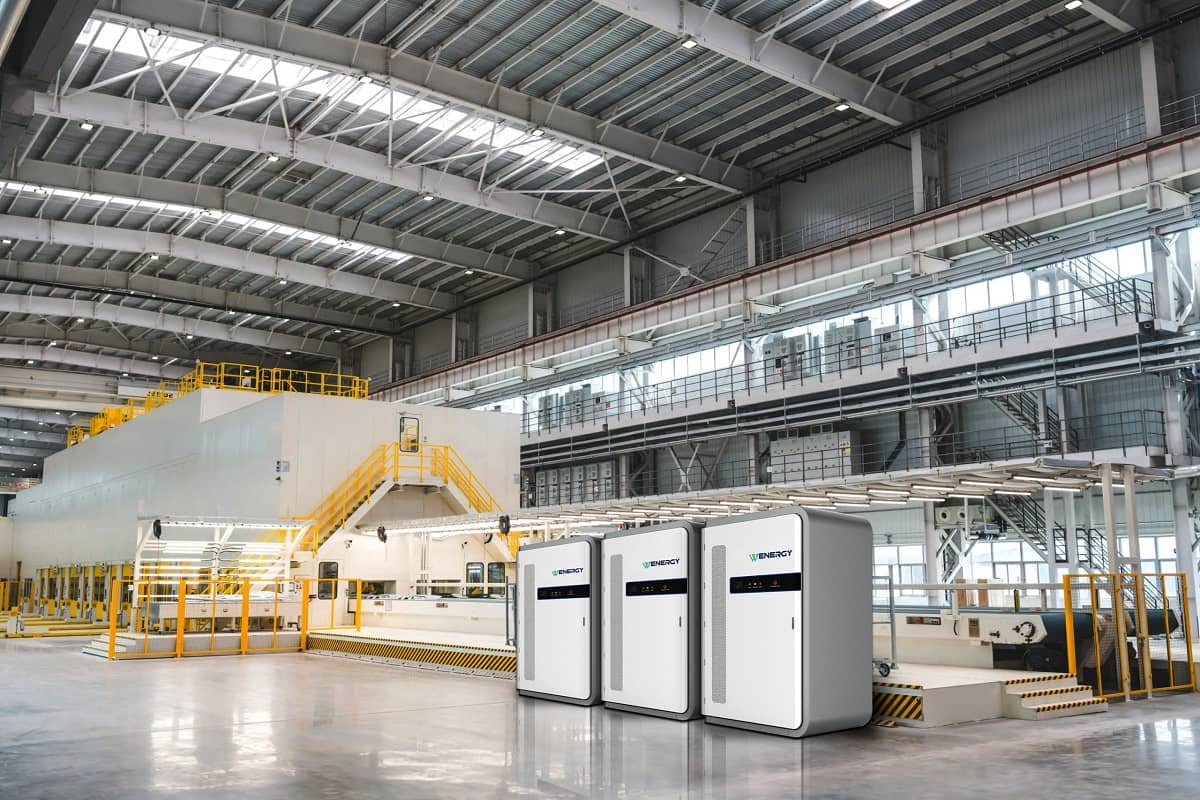
Traditional energy solutions like diesel generators often leave homeowners grappling with high operational costs and noise that can disrupt day-to-day life. I remember visiting a friend’s place in suburbs of Nairobi, where the vibration of his generator drowned out a captivating football match. The discontent of dealing with fluctuating power costs is real. Though familiar in many households, the sustainability and reliability factor is painfully lacking. Without incorporating a home solar battery storage system, families are left vulnerable each time the sun sets or an unexpected storm rolls through.
What Does the Future Hold?
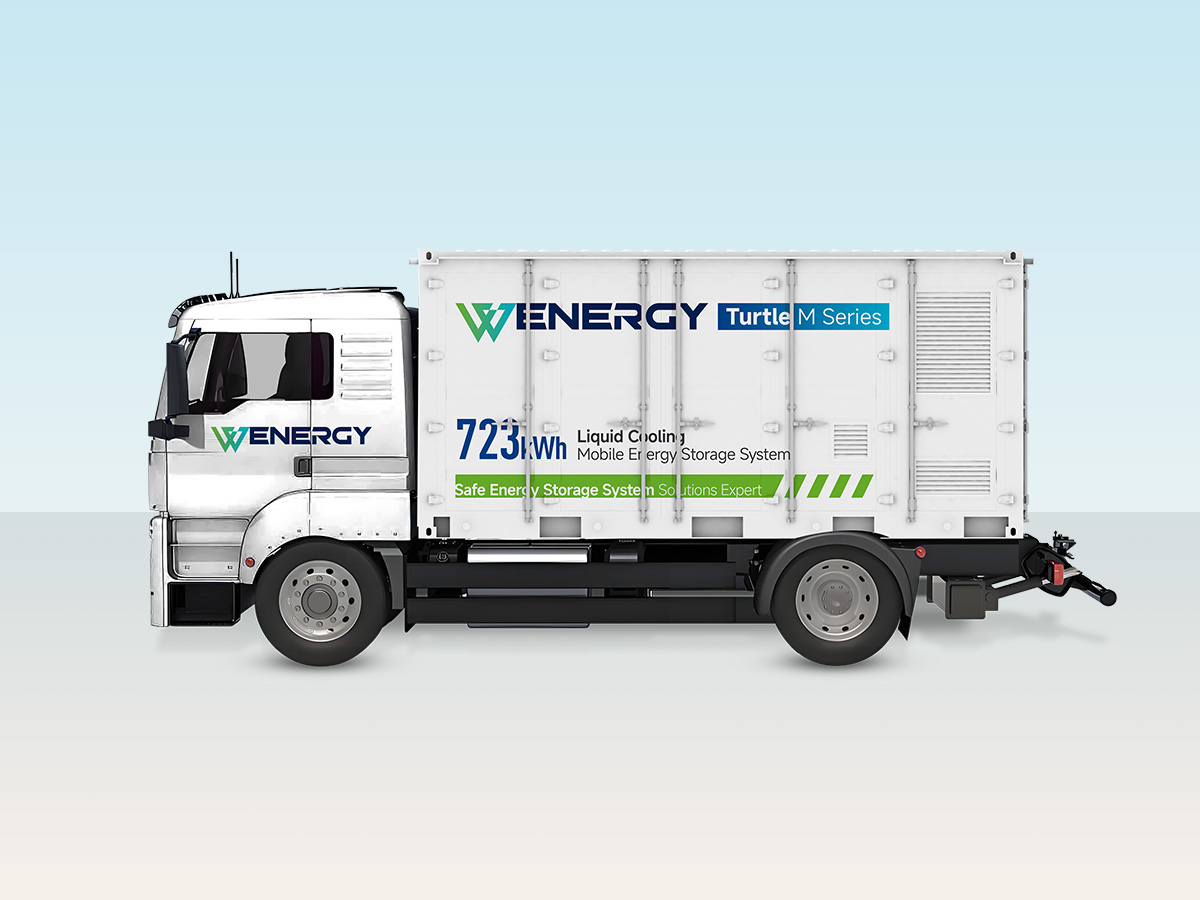
Now, let’s talk about what’s next. With advancements in technology, the best home energy storage system offers features like smart inverters, allowing for better energy management. Here’s the deal—these systems aren’t just about storing energy; they’re becoming essential for energy independence. Imagine being able to power your home during outages or utilize stored energy during high tariff periods. It’s revolutionary! I firmly believe that those still clinging to traditional methods will find themselves left in the dark—figuratively and literally.
A Glimpse Into the Real-world Impact
Interestingly, households that have adopted residential energy storage systems report a significant reduction in their electricity bills—sometimes seeing savings upwards of 30%. That’s not just a financial win; it’s a step towards environmental sustainability. In rural areas, where electricity access is often limited, these systems can enable small businesses to flourish without interruption. Energy storage can be the cornerstone for progress, particularly where energy stability is a persistent challenge. I vividly recall a community project in Kisumu where we installed a battery system that allowed local vendors to keep their businesses running smoothly during power cuts. That’s true empowerment!
Key Takeaways for Effective Energy Storage Solutions
As we navigate this new frontier of home energy, there are several key aspects to consider. First, evaluate the storage capacity you need based on your energy consumption patterns. Second, assess the inverter’s efficiency, which influences how effectively power is converted for home use. Finally, consider how your system integrates with existing home appliances. Small things, big impacts—right? The future of energy storage is genuinely at our fingertips, and embracing it could transform our homes for the better. I’ve seen the difference it makes, and I hope you will too.
If you’re ready to take charge of your energy future, check out Wenergy for innovative solutions. They’re leading the charge towards sustainable energy practices, and they’re definitely worth the look!
