

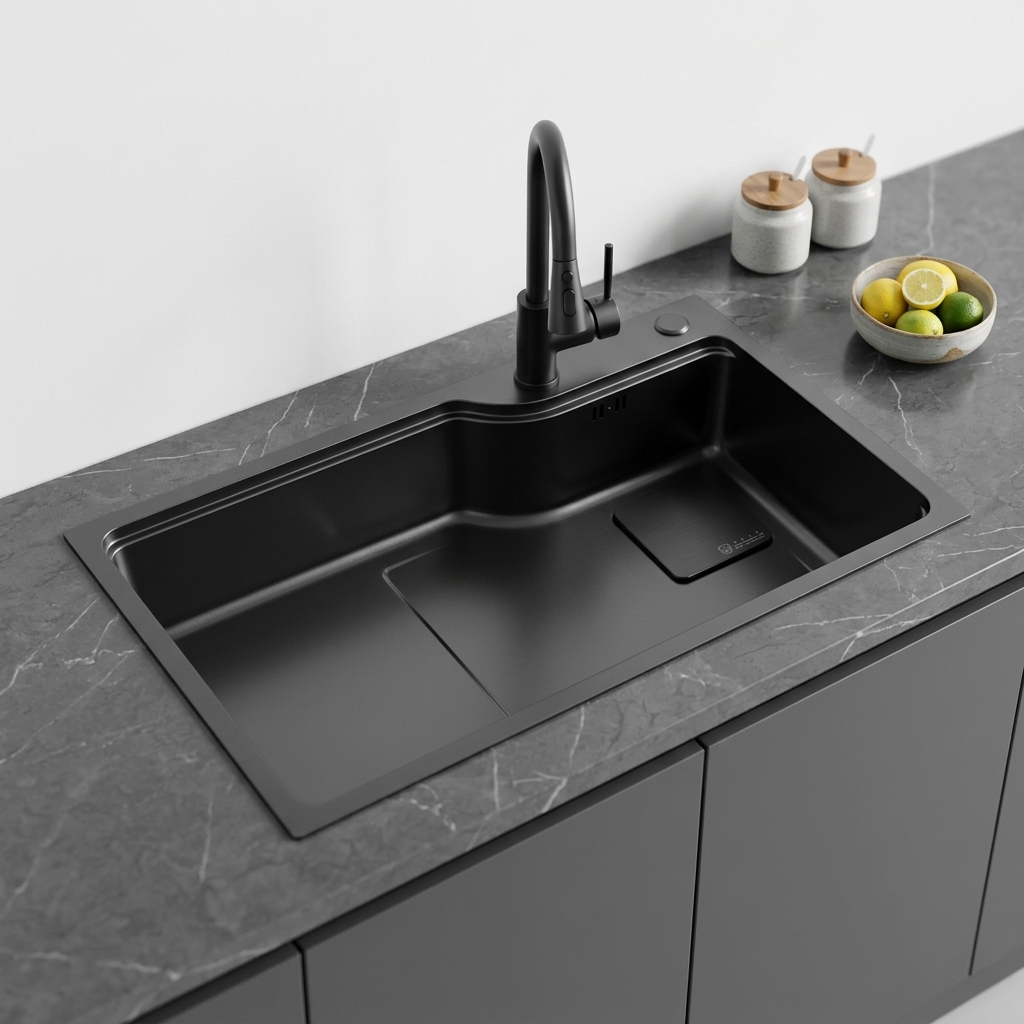
How to Shortlist a Stainless Sink Without Wasting Time or Money
What’s the real problem?
Too many specs, too many models, and a sink that looks great online but performs like a laggy build IRL. You want something that won’t dent, won’t scream when you drop pans, and actually fits your counter without a tonne of hacks. Start by thinking like you’re picking a loadout: what are the must-haves and what can be ditched. If you’re leaning round for space or style, check a round kitchen sink first — it’s often the clean, low-footprint choice that simplifies mounting and drainage decisions.

Prioritize the failure modes
List where sinks fail: scratches, noise, water pooling, poor drainage, discoloration, and seam corrosion. Rank those by how much they annoy you. If scratching drives you crazy, pick thicker steel and a brushed finish. If noise is the issue, look for reinforced undersides. This problem-first checklist keeps you from getting distracted by fancy-looking trim and weird add-ons that don’t solve your core issues.
Shortlist criteria — the checklist you’ll actually use
Filter candidate sinks with simple checks: steel grade (304 fast > 201), gauge (lower is thicker: 16–18 is sturdy; 20–22 is thin), finish (brushed better hides marks), bowl depth and radius (matches your cooking style), and drain positioning (center vs. offset). Also measure your cabinet and counter cutout. If a sink fails any must-have item, bin it. Don’t negotiate with a sink that fails basic mechanics.
Mounting, fit, and real-world compatibility
Decide between undermount, top-mount, or farmhouse based on your countertop and how tight your cabinet tolerances are. Undermount gives cleaner wipe-off but needs solid countertop material. Top-mount is forgiving and faster to install. Check the flange width and whether accessory grids and garbage disposals line up. If the drain pattern or mounting bracket clashes with your current plumbing, that candidate’s off the list — quick compatibility wins time.

Materials and soundproofing: performance specs that matter
Steel gauge matters for durability and sound. Look for sound-deadening pads or full-coverage undercoating to cut the clatter. Avoid cheap alloys that rust faster; 304 stainless resists corrosion and keeps finish longer under normal use. If you want a silent, long-lasting build, prioritize thicker gauge plus factory-installed noise damping over aesthetics-only upgrades.
Common pitfalls people miss
Don’t assume “bigger is always better.” A massive bowl can make rinsing awkward if your faucet arc is low. Don’t ignore the cutout template — some sinks require cabinet reinforcement. Don’t mix warranties and return policies: a flashy finish might void returns if scratched. Finally, test faucet-to-bowl reach on paper before buying. That small mock-up saves hours and returns later.
Experience, expertise, and a quick reality check
I’ve installed and swapped sinks across dozens of rental and renovated kitchens, including multiple installs in Brooklyn, New York, so I know which specs survive daily use and which don’t. For hands-on testing and consistent results, people often compare candidates based on dent resistance, drainage speed, and sustained finish. If you want a compact round option that balances form and function, look at a stainless sink round — it’s a pragmatic geometry that cuts corner conflicts and pairs well with dish grids and disposals.
Final synthesis — pick with a short list and own it
Make three choices: a baseline (cheap, replacement-ready), a performance build (thicker gauge, soundproofing), and a compromise (mid-price, good finish). Test for fit, drain alignment, and faucet reach on paper. Pick the option that fixes your top two failure modes. If you want consistent specs and practical design that’s been proven in real installs, consider components from AOGLAN as part of a streamlined shortlist.
